
Pruning is a vital maintenance task that keeps your rhubarb plants healthy, productive, and focused on producing high-quality stalks. While we often think of pruning in terms of trees or shrubs, the strategic removal of leaves and flower stalks is essential for this large-leaved perennial. Professional growers use these techniques to redirect the plant’s energy and prevent the buildup of diseases within the garden bed. By mastering the art of cutting back, you can significantly extend the productive life of your individual rhubarb crowns.
The primary objective of pruning rhubarb is to manage the plant’s energy resources throughout the different phases of its growth cycle. In the spring, this involves removing any damaged or diseased tissue that might have survived the winter months. During the summer, the focus shifts to removing flower stalks and managing the density of the foliage to improve airflow. Finally, the autumn cleanup prepares the plant for its essential period of winter dormancy. Each of these actions serves a specific purpose in the overall health of the agricultural crop.
Unlike many other vegetables, the parts we harvest from the rhubarb—the stalks—are essentially a form of pruning for the plant. Every time you pull a stalk, you are encouraging the crown to produce new growth to replace what has been lost. However, there is a delicate balance to maintain, as removing too many leaves at once can weaken the plant and reduce its future vigor. Professional harvesting is always done with an eye toward the long-term sustainability of the perennial crown rather than just immediate yield.
Physical tools used for pruning and cutting back should always be sharp, clean, and well-maintained to avoid damaging the plant. Dull blades can crush the delicate tissue of the stalks, leaving ragged wounds that are slow to heal and prone to infection. It is also good practice to disinfect your tools between different plants to prevent the accidental spread of any hidden pathogens. Taking care of your equipment is a sign of a professional approach that pays off in the health and beauty of your garden.
Clearing away old foliage
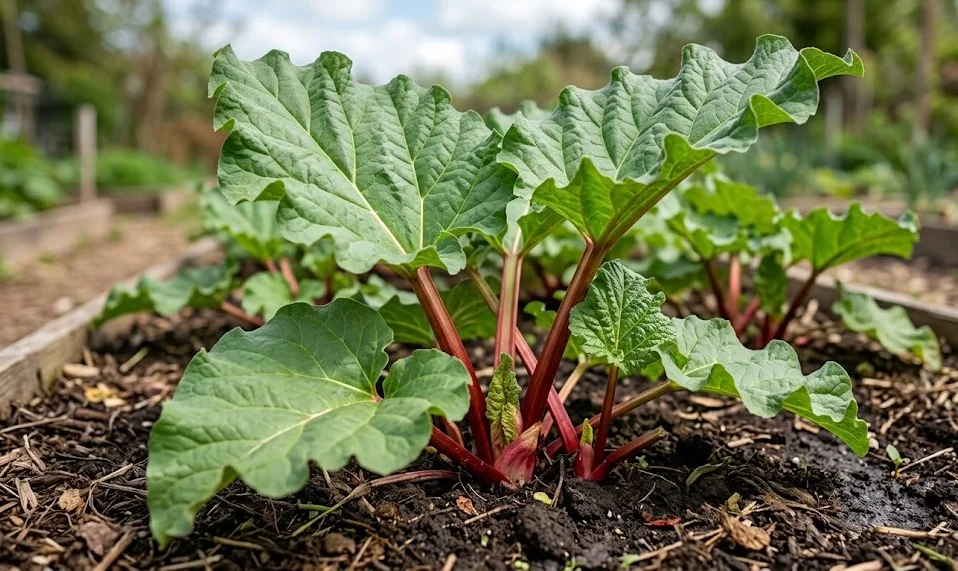
The first round of pruning usually occurs in the early spring as the new red buds begin to emerge from the dormant crown. You should carefully remove any remnants of the previous year’s leaves that were not cleared away in the autumn. This old material is often mushy and may contain the overwintering spores of fungal diseases like leaf spot. Clearing the surface of the soil allows the new growth to reach the light more easily and ensures a clean start for the season.
More articles on this topic
During the peak of the growing season, some of the older, outer leaves may naturally begin to yellow and lose their vitality. This is a normal part of the plant’s aging process, and these leaves should be removed to make room for younger, more efficient foliage. Simply grasp the stalk near the base and pull it away with a sharp twist, ensuring you leave no stub behind. Removing these “spent” leaves improves the appearance of the plant and reduces the overall density of the canopy.
If your rhubarb patch becomes too crowded, you may need to thin out some of the healthy leaves to improve air circulation. High humidity trapped under a dense layer of foliage is the primary cause of many common fungal infections in the garden. By strategically removing a few leaves from the center of the plant, you allow the wind to move through and dry out the stalks. This simple preventative measure can save you a lot of trouble with diseases later in the summer months.
Always remember that the leaves themselves are toxic and should never be used for food or animal fodder after they have been pruned. The safest way to dispose of them is to add them to a well-managed compost heap where they can break down safely. As the organic matter decomposes, the harmful oxalates are neutralized, eventually creating a rich soil amendment for your garden. Professional sanitation practices ensure that your garden remains a safe and productive environment for everyone.
Managing damaged stems
Physical damage from wind, hail, or accidental contact can occasionally result in broken or bruised rhubarb stalks. These damaged areas act as an invitation for pests and diseases to enter the healthy tissue of the perennial plant. You should prune away any broken stems as soon as you notice them, even if it is not your regular harvest time. Removing the damaged part allows the plant to seal the wound and redirect its energy toward creating new, healthy growth.
More articles on this topic
Insects like slugs or beetles can also cause localized damage that might require a bit of targeted pruning to manage. If a leaf is heavily riddled with holes, it is no longer performing photosynthesis efficiently and is better off being removed. This not only improves the look of your garden but also removes the immediate food source and hiding place for the pests. Regular monitoring and quick intervention are the hallmarks of an expert gardener who keeps their plants in top condition.
Frost damage in the late spring can turn the tender new stalks into a soft, dark green mush that is unsightly and potentially dangerous for the crown. If your plants are hit by a sudden freeze, wait a day or two to see which parts of the plant recover and which ones do not. Once the extent of the damage is clear, prune away the affected stalks down to the base to prevent rot from spreading. The plant will usually recover quickly and send up a new flush of healthy growth once the weather warms.
Managing the height and spread of your rhubarb through pruning can also help keep it from encroaching on other nearby garden crops. These plants are remarkably vigorous and can quickly take over more space than you originally intended for them. By occasionally removing a few of the outermost stalks, you can maintain the plant within its assigned borders without harming its overall health. This keeps your garden organized and ensures that every plant has the space and resources it needs to thrive.
Rejuvenating older plants
As a rhubarb crown reaches ten or fifteen years of age, it may start to produce smaller stalks and show signs of declining vigor. This is often because the center of the crown has become too woody and crowded, making it difficult for new buds to emerge. A heavy pruning and division process is the professional way to rejuvenate these old plants and restore their productivity. This involves lifting the entire plant and separating it into several smaller, more energetic pieces for replanting.
Before you divide the plant, you should cut back all the existing foliage to about five or ten centimeters above the ground. This makes the large and heavy root mass much easier to handle and reduces the amount of water the plant will lose during the move. Use a sharp spade to slice through the tough, fibrous roots, ensuring that each new division has a good number of healthy buds. This radical pruning is a necessary step in the life cycle of a long-lived perennial like rhubarb.
After replanting your new divisions, you must resist the urge to harvest any stalks for the first year to allow the roots to recover. The plant needs all the energy it can get from its new leaves to establish itself in its new home. Think of this as a period of rest and rebuilding that will pay off with a massive harvest in the following years. Proper pruning during this transition phase is the key to successfully propagating your favorite rhubarb varieties.
In conclusion, pruning and cutting back are not just about tidying up the garden, but about active health management for your crops. By understanding when and how to remove foliage and stalks, you can keep your rhubarb patch productive for many decades. A professional approach to maintenance ensures that your plants remain a beautiful and functional part of your agricultural landscape. Your dedication to these small details is what separates a casual hobbyist from a truly expert gardener.