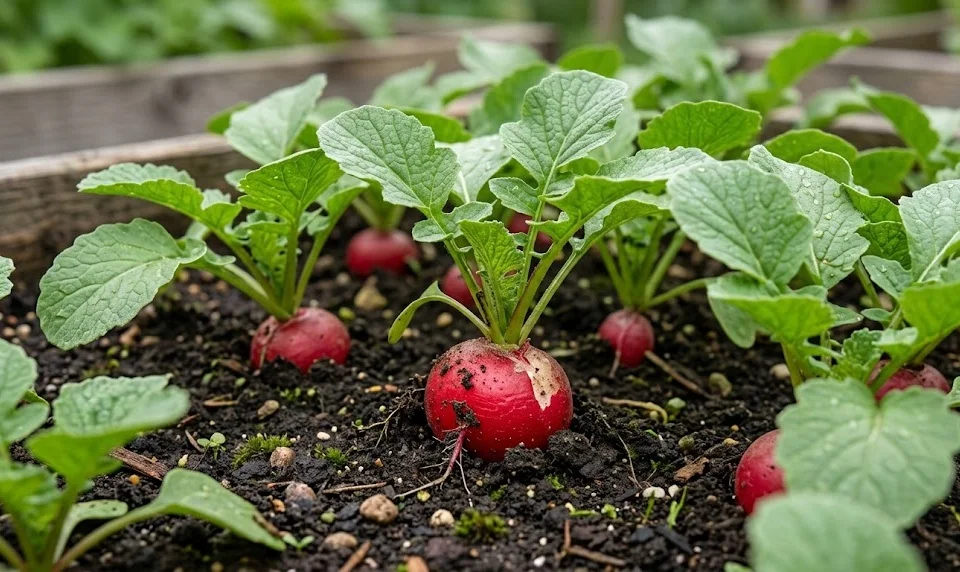

Pruning and cutting back are often associated with larger plants like fruit trees or roses, but these techniques can also be applied to radishes to improve their health and yield. You must understand that managing the foliage of your radish crop can have a direct and positive impact on the development of the edible root below the soil. While radishes are relatively self-sufficient, a few targeted interventions can help prevent bolting and ensure that the plant’s energy is used in the most efficient way possible. Mastering these simple pruning tasks will help you become a more skilled and successful vegetable gardener.
Thinning the foliage is a form of pruning that helps to improve the airflow and light penetration within your radish rows as the plants grow. You should remove any leaves that are damaged, diseased, or showing signs of being eaten by common garden pests like caterpillars or beetles. This cleaning process reduces the stress on the plant and prevents the spread of pathogens that could otherwise ruin your entire crop. It also ensures that the most healthy and vibrant leaves are the ones receiving the majority of the sunlight and nutrients available to the plant.
Controlling bolting is perhaps the most important reason to consider cutting back your radish plants during the late spring or early summer months. You should watch for the central stem beginning to elongate and thicken, which is the first sign that the plant is preparing to produce flowers and seeds. By cutting off this emerging flower stalk, you can sometimes delay the bolting process and squeeze a few more days of growth out of the radish root. This technique is not always successful, but it is worth a try if you have a particularly valuable or late-maturing variety in your garden.
Trimming for seed production is a different approach used by gardeners who want to save their own seeds for the following year’s planting season. You should allow your best plants to flower, but you may still need to prune away some of the excess foliage or smaller flower branches to focus the plant’s energy. This targeted pruning ensures that the seeds produced are large, healthy, and full of the energy required for successful germination in the spring. It is a more specialized task that connects you to the full life cycle of the vegetables you grow and enjoy in your own backyard.
Thinning the foliage
Thinning the leaves of your radish plants can help you manage the overall size of the foliage and ensure it does not become too overwhelming for the root system. You should focus on removing the older, outer leaves that may be starting to yellow or look ragged as the plant matures in the soil. This allows the plant to redirect its resources toward the younger, more efficient leaves and the developing radish bulb at the base. A balanced ratio of leaves to roots is essential for producing the best possible quality and flavor in your home-grown vegetables.
More articles on this topic
Removing diseased or pest-damaged foliage is a critical part of maintaining a healthy and productive garden environment for your radish crop. You should use a sharp and clean pair of scissors to snip away any leaves that show signs of fungal spots, bacterial rot, or heavy insect feeding. This “sanitary pruning” stops the problem from spreading to the rest of the plant or to the neighboring radishes in the same row. It is a simple habit that can save you a lot of time and frustration by preventing a minor issue from becoming a major disaster in your garden.
Improved air circulation is another major benefit of thinning the foliage of your radish plants, especially in humid or rainy climates. You should aim for a plant structure that allows air to move freely between the leaves and around the base of the stem at the soil line. This movement of air helps to dry out the leaves after a rainstorm or a morning watering, which significantly reduces the risk of common fungal diseases like downy mildew. A well-ventilated garden is a much healthier and more resilient place for all of your vegetable crops to grow and thrive.
You can actually use the young and healthy leaves that you prune from your radish plants as a spicy and nutritious addition to your home-cooked meals. Radish greens are fully edible and have a flavor that is similar to a more intense version of spinach or arugula when eaten raw or lightly sautéed. This means that your pruning tasks are not just about maintenance, but also about providing a second harvest of fresh food for your family to enjoy. Nothing from your hard work in the garden needs to go to waste if you are creative and resourceful in your kitchen at home.
Controlling early bolting
Bolting is the process where a radish plant shifts its energy from root growth to flower and seed production, usually triggered by heat or long days. You should be proactive in monitoring your plants as the weather begins to warm up in the late spring or early summer months of the year. If you notice a plant starting to “stretch” upward, it is a clear signal that the quality of the root is about to decline rapidly as it becomes woody and bitter. Taking immediate action is the only way to potentially save the harvestable part of the plant for your dinner table.
More articles on this topic
Cutting back the early flower stalks can sometimes trick the radish plant into staying in the vegetative stage for a little bit longer than it naturally would. You should use your fingers or a small pair of pruners to pinch off the central growth tip as soon as it begins to emerge from the center of the foliage. This intervention is most effective if you also provide the plant with plenty of water and a bit of shade to lower its overall stress levels. While it is not a permanent solution, it can buy you enough time to let the radish bulb reach a more desirable size for harvesting.
Stress management is a key factor in preventing bolting in the first place, reducing the need for aggressive pruning or cutting back of your radish plants. You should ensure your radishes are never allowed to dry out completely, as water stress is one of the primary triggers for early flowering in many vegetable crops. Mulching the soil and providing consistent irrigation are two of the best ways to keep the plants happy and focused on their roots rather than their seeds. A happy radish is a slow-to-bolt radish that provides a much better eating experience for you and your family.
Once a radish has fully bolted and the root has become woody, it is usually best to pull the plant and start over with a fresh sowing of seeds. You should not waste your time trying to prune a plant that has already committed its energy to reproduction, as the flavor and texture of the root will never return to its prime. Learning to recognize the point of no return is an important skill for any gardener who wants to use their time and space in the most efficient way possible. Bolted plants can still be used for seed saving or added to the compost pile to enrich your garden soil for the future.
Trimming for seed production
If you are growing radishes specifically to save your own seeds, pruning becomes a tool for ensuring the highest possible quality and viability of those seeds. You should select a few of your most vigorous and healthy plants to remain in the garden long after the rest of the crop has been harvested. Pruning away the smaller, weaker side branches of the flower stalk helps the plant focus its energy on the main seed pods that are developing. This results in larger seeds that have a much better chance of surviving the winter and germinating successfully in the spring.
Managing the height of the flowering radish plants can also make them much easier to protect and support as they grow toward maturity in the garden. You should consider trimming the very tops of the tallest stalks if they become too heavy and start to lean or fall over during a summer storm. This practice also encourages the plant to produce more robust lateral branches that are less likely to break under the weight of the developing seed pods. Providing a small stake or a light cage can also help keep your seed producers upright and healthy throughout their long life cycle.
Removing late-season flowers that will not have enough time to mature into seeds is another useful pruning technique for seed-saving gardeners at home. You should focus the plant’s remaining energy on the pods that are already well-developed and have a good chance of reaching full maturity before the first frost. This “thinning of the crop” ensures that you are not wasting the plant’s resources on seeds that will ultimately be too small or underdeveloped to use next year. A focused approach leads to a much higher quality of home-grown seeds for your future garden beds and vegetable rows.
Once the seed pods have turned brown and dry, you can cut the entire stalk and move it to a protected location for the final stage of curing. You should hang the branches upside down in a cool and airy spot where they can finish drying without the risk of being damaged by rain or hungry garden birds. This final “pruning” is the last step in the cycle of growth and reproduction that allows you to be self-sufficient in your radish cultivation. Saving your own seeds is a deeply rewarding part of the gardening experience that connects you to the traditions of growers who came before you.