
Mastering the techniques of pruning and cutting back is essential for maintaining the structural integrity and aesthetic appeal of any professional garden. While perennial honesty is not a plant that requires intensive structural pruning like a fruit tree or a rose, it still benefits greatly from timely and purposeful intervention. You must learn when to let nature take its course and when to step in with your shears to keep the display looking its best. This guide provides the expert advice you need to manage the growth of your perennials with confidence and professional skill.
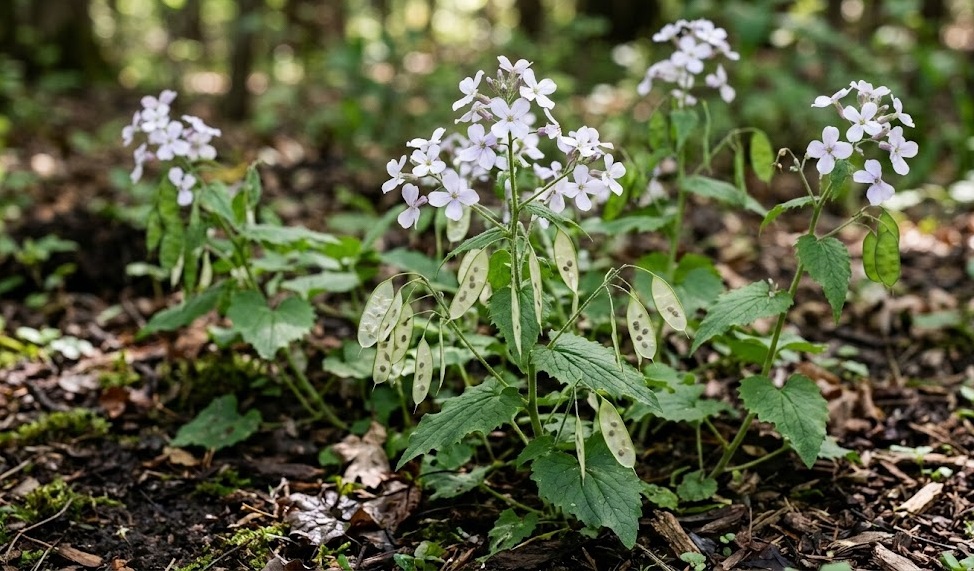
The primary reason for cutting back this species is to manage its appearance after the blooming period and during the winter dormancy. After the flowers have faded, you have a choice to make based on your specific goals for the garden that season. If you want to encourage the plant to focus its energy on root development and foliage, you can remove the spent flower stalks before they set seed. However, most gardeners grow this species specifically for its decorative seed pods, in which case you should leave the stalks completely undisturbed.
Pruning should always be done with sharp, clean tools to ensure that you make clean cuts that heal quickly and do not invite disease. You should wipe your blades with a disinfectant between different plants to prevent the accidental spread of any hidden pathogens. A professional gardener takes pride in the quality of their tools and the precision of their work, recognizing that small details make a big difference. Taking a moment to sharpen your shears before you start will make the job easier and better for the plants.
You should also be mindful of the timing of your cuts, as removing foliage too early can deprive the plant of the energy it needs to survive the winter. The leaves are the plant’s solar panels, and they should be left in place as long as they are green and functional. Only when the foliage has turned brown and died back naturally should you consider clearing it away as part of your autumn or winter cleanup. This patient approach allows the plant to complete its natural cycle and build up the strength it needs for the following year.
Managing seed pods and aesthetic structure
If you have chosen to keep the seed pods for their ornamental value, you will eventually need to decide when to remove the old stems. Many professionals like to leave them in place throughout the winter to provide structure and interest in the dormant landscape. The silvery discs look particularly beautiful when covered in a light frost or dusted with snow, adding a touch of magic to the garden. Once the pods have started to disintegrate or look untidy in the late winter, you can cut the entire stem back to the base.
More articles on this topic
Harvesting the seed pods for dried arrangements is a popular professional practice that requires careful timing and handling. You should wait until the pods have turned from green to a light brown and the outer layers have started to become translucent. Cutting the stems at this stage and hanging them upside down in a cool, dry place will preserve their beauty for many months indoors. Removing the outer “skin” of the pods to reveal the silvery central membrane is a delicate task that produces a stunning result.
Sometimes, individual stems may become damaged by wind, heavy rain, or passing animals, and these should be removed promptly to maintain the plant’s health. You should cut the damaged stem back to a healthy leaf node or all the way to the ground if the damage is severe. This selective pruning prevents the damaged area from becoming an entry point for pests or fungal infections. Keeping your plants tidy throughout the growing season is a hallmark of professional garden maintenance.
You should also look out for any stems that are growing in an undesirable direction or crowding out neighboring plants in a mixed border. While the plant has a naturally upright and tidy habit, it can occasionally become a bit too enthusiastic in perfect growing conditions. Gently thinning out a few stems can improve airflow and light penetration, benefiting the entire clump and its neighbors. This kind of thoughtful, light-touch pruning is a key skill for any advanced gardener.
Rejuvenation and long-term maintenance
As the plants get older, they can sometimes become woody at the base and less productive in terms of flowers and seed pods. If you notice a decline in vigor, you might consider a more radical “rejuvenation pruning” or even dividing the plant as discussed in other sections. Cutting the entire plant back to a few inches above the ground in the early spring can sometimes stimulate a flush of healthy new growth. This is a more aggressive technique that should be used sparingly and only on established, healthy specimens.
More articles on this topic
Monitoring the response of your plants to your pruning activities is the best way to learn and improve your technique over time. You might find that cutting back at a certain time leads to better seed pod development or a more compact growth habit in your specific garden. Keeping notes on your actions and the subsequent results will help you develop a professional “feel” for the needs of your perennials. Every garden is a unique environment, and your personal experience is your most valuable asset.
Proper disposal of the material you have removed is the final step in a professional pruning routine. If the stems and leaves are healthy, they can be a great addition to your compost pile, adding valuable organic matter and nutrients. However, if there is any sign of disease or pest infestation, the material should be disposed of elsewhere to prevent future problems. A professional leaves the workspace clean and ready for the next phase of the garden’s life.
In conclusion, pruning and cutting back are simple but powerful tools for maintaining the beauty and health of your perennial honesty. By understanding the timing and purpose of each cut, you can guide the development of your plants and ensure a spectacular display year after year. Your dedication to these details is what creates a truly professional and well-managed garden space. The silver seed pods are the final reward for your careful and thoughtful stewardship of the land.