
Pruning and cutting back vegetable marrow plants is a professional technique that can significantly enhance fruit quality, improve plant health, and help manage the sometimes overwhelming growth of these vigorous vines. While many gardeners simply let their marrows grow unchecked, a more strategic approach can yield better results, especially in limited spaces or areas prone to disease. By understanding when and how to remove specific parts of the plant, you can direct its energy toward fruit production rather than excessive foliage. This article provides professional insights into the art and science of pruning vegetable marrow for optimal garden performance.
Controlling vegetative growth
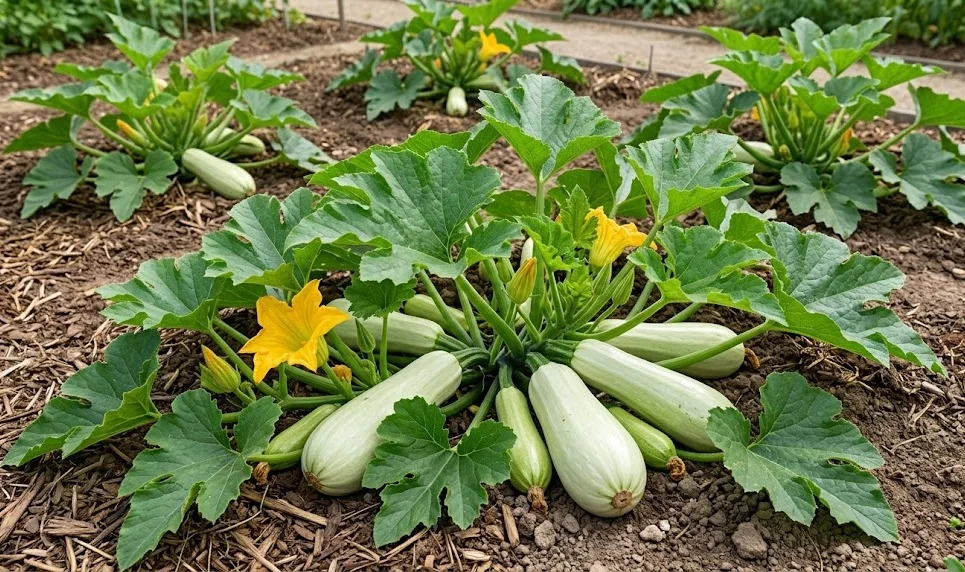
The primary reason for pruning vegetable marrow is to manage its exuberant vegetative growth and ensure the plant remains within its designated space. You should start by identifying the main growing tip and any secondary runners that are spreading into areas where they are not wanted. By pinching off the ends of these runners, you can signal the plant to stop expanding horizontally and focus its resources on its existing structure and fruit. This control is especially important in smaller gardens where space is at a premium and every square meter must be used efficiently.
Pruning also allows you to limit the number of fruits each plant is trying to support at one time, which can lead to larger and more high-quality marrows. If you notice a plant is covered in many small fruits, you might choose to remove some of the smaller ones to allow the plant’s energy to flow into the most promising specimens. This practice is often used by competitive growers or those looking for the very best culinary quality in their harvest. It requires a bit of courage to remove potential food, but the long-term results are often well worth the initial loss.
When cutting back any part of the marrow plant, you should always use clean, sharp shears to ensure a quick-healing wound that doesn’t invite disease. You should make your cuts at a slight angle near a leaf node or where a runner branches off from the main stem. Avoid tearing or crushing the stems, as this creates ragged edges that are much more difficult for the plant to repair and are more attractive to pests. Professionalism in gardening is often found in these small details of technique and tool maintenance.
More articles on this topic
Regularly removing the “suckers” or small, weak shoots that emerge from the base of the plant can also help maintain a strong, clear main stem. These shoots often consume valuable nutrients without contributing much to the overall productivity of the plant. By keeping the base of the marrow plant tidy, you also make it much easier to water and apply fertilizer directly to the root zone where it is most effective. Managing the plant’s architecture from an early stage leads to a more organized and productive garden throughout the entire season.
Airflow improvement and disease prevention
One of the most important benefits of strategic pruning is the significant improvement in air circulation around the marrow foliage and developing fruit. You should focus on removing some of the dense, overlapping leaves in the center of the plant where humidity can build up and create a perfect environment for fungal diseases. This increased airflow helps the leaves dry more quickly after rain or dew, which is your most effective natural defense against powdery mildew. A well-pruned plant is a healthier plant that is much more capable of reaching its full potential.
Targeting older, yellowing leaves for removal is a professional way to keep the plant’s energy focused on its most productive and healthy parts. These aging leaves often become less efficient at photosynthesis and can actually become a “sink” for nutrients rather than a source of energy. They are also the most likely parts of the plant to harbor pests or show the first signs of disease infection. Removing them promptly keeps the marrow patch looking clean and reduces the overall pest and disease pressure on your crop.
More articles on this topic
When pruning for airflow, you should also consider the position of the developing marrows and ensure they are not completely buried under a heavy canopy of leaves. While some shade is good for preventing sunscald, too much moisture around the fruit can lead to rot and skin problems. Gently moving or thinning the surrounding foliage can help the fruit stay dry and allow you to monitor its progress more easily. This careful management of the plant’s microclimate is a hallmark of a professional approach to marrow cultivation.
Always dispose of any pruned material away from your garden beds, especially if you suspect there might be any disease or pest issues present. You should never leave cut leaves or stems lying on the ground around the plants, as they will quickly begin to rot and attract unwanted visitors. Keeping a clean and tidy gardening environment is a fundamental part of successful pruning and overall garden hygiene. By being proactive with your pruning, you can create a more resilient and productive environment for your vegetable marrows to thrive.
Strategic leaf removal and fruit ripening
As the season progresses toward its conclusion, pruning can play a vital role in helping your final crop of marrows ripen before the first frosts arrive. You should consider removing some of the larger leaves that might be shading the maturing fruit from the late-season sun. This extra exposure to warmth and light helps the skin of the marrow toughen up, which is essential for good storage qualities after harvest. It also helps the plant focus its final burst of energy on completing the development of the remaining fruit.
You might also decide to cut back the entire growing tip of the main vine once you have a sufficient number of marrows developing on the plant. This “topping” technique stops the plant from producing any new flowers or foliage and forces it to put all its resources into the existing harvest. It is a highly effective strategy for ensuring that the fruits you have will reach a good size and maturity before the weather turns cold. Timing this final pruning correctly requires a good understanding of your local climate and average frost dates.
During the process of pruning, you should also take the opportunity to inspect the plant closely for any signs of hidden pests or early disease symptoms. The act of moving through the vines and selecting specific parts for removal forces you to pay more attention than you might during a quick walk-through. This heightened level of observation often allows you to catch and solve problems while they are still small and manageable. Pruning is not just a physical task; it is a vital part of your overall garden monitoring and care routine.
Ultimately, the goal of pruning and cutting back your vegetable marrows is to create a balance between the plant’s natural vigor and your own goals for the harvest. Whether you are looking for maximum yield, the highest quality fruit, or simply a manageable garden space, strategic pruning is a powerful tool in your gardening arsenal. With practice and observation, you will develop a feel for exactly how much to cut and when to do it to achieve the best results. Professional gardening is a journey of continuous learning and refinement of these essential skills.