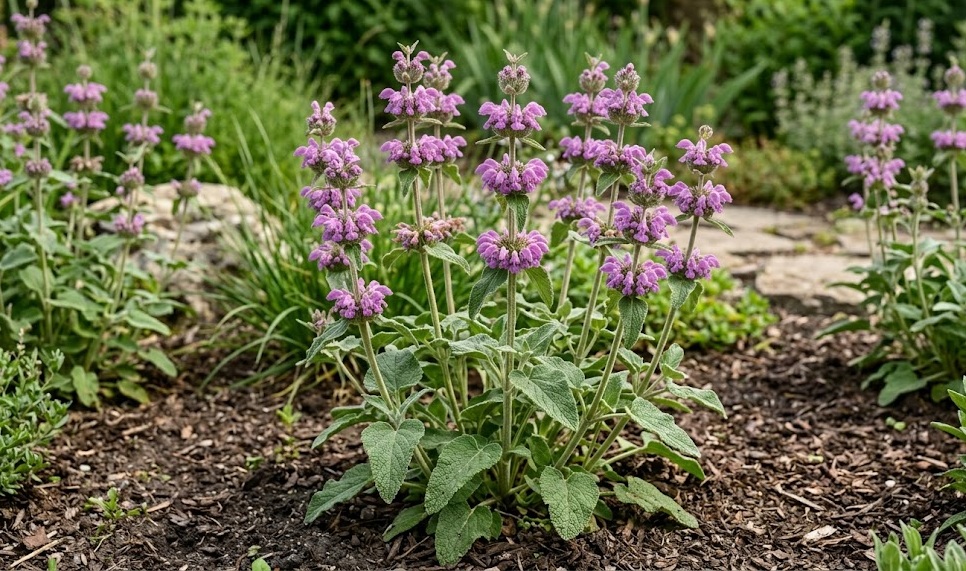

Mastering the techniques of pruning and cutting back is essential for maintaining the health and structure of the tuberous jerusalem sage. Regular maintenance through pruning helps to direct the plant’s energy, prevent the spread of disease, and ensure a neat and professional appearance. Knowing when and how to cut back this perennial is a skill that distinguishes the expert gardener from the novice. Proper pruning not only improves the current season’s display but also sets the stage for future growth.
The primary reason for pruning this species is to remove the spent flower stalks and the dead foliage from the previous year. This process, often called “tidying up,” is best performed in the early spring before the new growth starts to emerge from the crown. Removing the old material allows the young shoots to have unobstructed access to light and air, promoting a more even and robust growth habit. It also eliminates potential hiding spots for pests that may have overwintered in the debris.
Mid-season pruning is less common but can be useful for maintaining the aesthetic quality of the plant if the foliage becomes damaged or unsightly. Sniping off individual leaves that are yellowed or diseased can prevent problems from spreading and keeps the basal rosette looking fresh. If the plant has finished flowering and the seed heads are not desired for winter interest, the entire stalk can be cut back to the base. This can sometimes encourage a small flush of new foliage, although a second round of flowering is unlikely.
Pruning is also an opportunity to inspect the plant closely for any underlying health issues that may not be visible from a distance. As you move through the garden with your shears, you can check for signs of pests, crown rot, or nutritional deficiencies. This hands-on approach to maintenance allows for early intervention and a more intimate understanding of the plant’s needs. A professional gardener views pruning as a holistic health check for the entire landscape.
Seasonal timing for pruning
The timing of the main annual pruning is a critical decision that depends on the local climate and the desired aesthetic of the garden. In many regions, gardeners prefer to leave the dried stalks and foliage in place throughout the winter to provide structural interest and food for wildlife. In this case, the cutting back should be done in the late winter or very early spring, just before the soil begins to warm. This timing ensures that the crown is protected during the coldest months while still giving the new growth a clean start.
More articles on this topic
If a more manicured look is preferred during the winter, the plant can be cut back in the late autumn after the first few frosts have killed the foliage. This approach can be beneficial in areas where winter moisture is high, as it reduces the risk of rot by improving airflow around the base of the plant. However, it does remove the natural insulation provided by the dead leaves, so a light mulch may be necessary to compensate. The choice of timing reflects the specific goals and constraints of the professional landscape plan.
During the peak of the growing season, pruning should be limited to the removal of damaged or diseased material to avoid stressing the plant. Cutting back too much healthy foliage during the summer can reduce the plant’s ability to photosynthesize and store energy for the following year. If a plant has become overgrown and is crowding its neighbors, a light thinning can be performed, but major structural changes should wait for the dormant season. Understanding these seasonal limits is essential for maintaining the long-term vitality of the perennial.
The transition from late summer to autumn is also a time to consider whether to leave the seed heads intact for their ornamental value. The architectural silhouette of the dried whorls can be very striking when covered in frost or a light dusting of snow. Many professional designers include this “fourth season” of interest in their plans, only cutting the plants back once the stalks begin to collapse in the late winter. This deliberate choice adds depth and complexity to the garden’s seasonal narrative.
Techniques for effective cutting
Using the right tools is the first step toward successful pruning and ensures that the cuts are clean and heal quickly. A sharp pair of bypass pruners is the best choice for the stems and leaves of the tuberous jerusalem sage. Bypass pruners work like scissors, providing a precise cut that does not crush the plant’s vascular tissue. Keeping your tools clean and well-maintained is a fundamental rule of professional gardening that prevents the accidental transmission of diseases.
More articles on this topic
When removing the old flower stalks in the spring, it is best to cut them as close to the base of the plant as possible without damaging the new growth. Avoid leaving long “stubs” of old stems, as these can become entry points for rot and pests as they slowly decay. Making the cut at a slight angle can also help to shed water away from the center of the crown, further reducing the risk of fungal issues. These small technical details contribute to the overall health and professional finish of the garden.
For the removal of individual leaves from the basal rosette, follow the leaf stem down to its point of attachment and make a clean cut. If you are thinning a mature clump to improve airflow, select the oldest or most crowded leaves from the center of the plant. This targeted approach opens up the structure while maintaining the overall shape and presence of the specimen. Professional pruning is always purposeful and aims to enhance the natural beauty of the plant rather than forcing it into an unnatural form.
Finally, always dispose of the pruned material responsibly, especially if it shows any signs of disease or pest infestation. Composting healthy plant debris is an excellent way to recycle nutrients back into the garden ecosystem. However, if the material is diseased, it should be removed from the site or destroyed to prevent the pathogens from returning to the soil. This final step in the pruning process is a key part of maintaining a clean and healthy agricultural or horticultural environment.