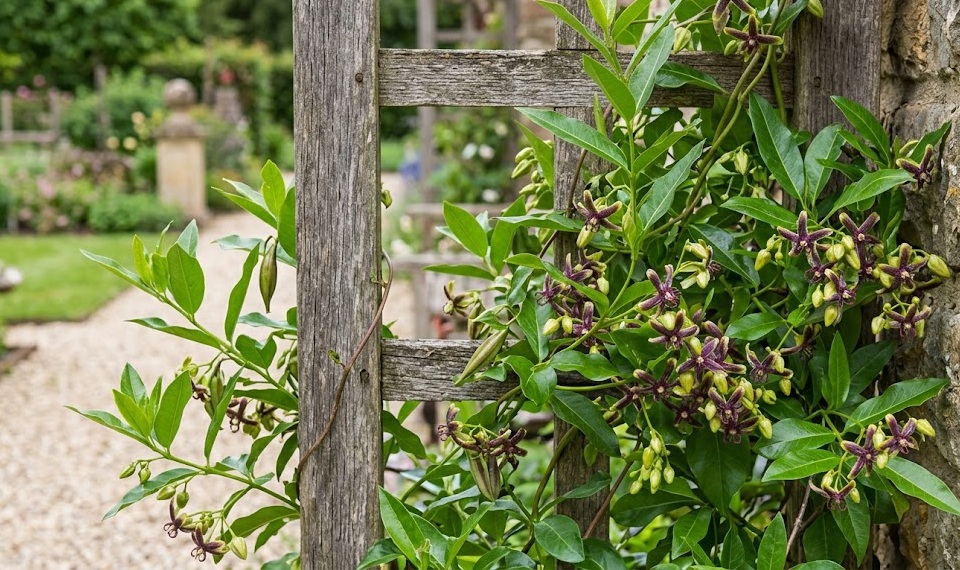

Managing the immense vigor of the silkvine requires a consistent and firm approach to pruning to keep it within its intended boundaries. Without regular intervention, this climber can quickly overwhelm its support structure and even threaten nearby plants or buildings. Pruning is not just about size control; it is also a vital tool for maintaining the health and longevity of the specimen. By following professional techniques, you can ensure that your vine remains a beautiful, structured asset rather than a tangled, unmanageable mess.
Foundational pruning techniques
The most important pruning session of the year should take place in the early spring, just before the new growth begins to emerge. This is the ideal time to remove any wood that was damaged by the winter cold or broken by heavy snow and wind. You should always use sharp, clean bypass pruners or loppers to ensure that the cuts are smooth and heal as quickly as possible. Making your cuts at a forty-five-degree angle just above a healthy bud will encourage new, vigorous shoots to grow in the desired direction.
Maintenance pruning throughout the growing season is often necessary to keep the fast-moving shoots from wandering where they are not wanted. You can simply pinch back the tips of the longest runners to encourage the plant to branch out and become denser. This practice is particularly useful if you are trying to create a solid green screen for privacy or to hide an unattractive fence. Regular “deadheading” of the spent flowers is not strictly required but can help the plant look tidier and prevent unwanted seed dispersal.
Structural pruning involves looking at the main framework of the vine and deciding which large stems are essential for its overall shape. Over time, the interior of the plant can become a congested mass of old, unproductive wood that blocks light and air. You should aim to remove one or two of the oldest stems every few years, cutting them back all the way to the ground or the main trunk. This “renewal pruning” stimulates the growth of fresh, young wood from the base, which is often more vigorous and attractive.
More articles on this topic
Always keep in mind the direction in which you want the vine to grow when making your pruning decisions. Since this plant climbs by twining, it will naturally follow the easiest path provided by your wires or trellis. If a shoot is heading toward a gutter or a window, you must intervene early before the stem becomes too thick to manage easily. A proactive approach to shaping the plant will save you from having to perform drastic, stressful cuts later in the season.
Rejuvenation and safety
If you have inherited an overgrown or neglected silkvine, you may need to perform a more drastic rejuvenation pruning. This involves cutting the entire plant back to within thirty to fifty centimeters of the ground during its dormant phase in late winter. While this might seem extreme, the silkvine is remarkably resilient and will typically respond with an explosion of new, healthy growth in the spring. This is a great way to “reset” a plant that has become too woody, thin at the bottom, or infested with persistent pests.
Safety is a major consideration when pruning a large climber, especially if it has reached a significant height on a wall or pergola. You should always ensure that your ladder is stable and that you have a clear workspace before you begin cutting. For very high branches, it is safer to use a pole pruner or to hire a professional arborist who has the proper equipment. Remember that the sap of the silkvine can be irritating to some people’s skin, so wearing gloves and long sleeves is a wise precaution.
More articles on this topic
Disposing of the pruned material correctly is the final step in a professional maintenance routine. Because the stems are quite tough and fibrous, they do not break down as quickly as soft herbaceous perennials in a standard compost pile. It is often better to shred the material first or to take it to a municipal green waste facility where it can be processed at higher temperatures. If the vine was suffering from any diseases, you should never compost the clippings, as this could spread the pathogen back into your garden.
Finally, always take a moment to step back and evaluate the overall balance of the plant after you have finished your pruning. A well-pruned silkvine should look organized and intentional, with plenty of room for light and air to move through the canopy. You should see a clear structure that follows the lines of your trellis or support system without any chaotic tangles. This thoughtful approach ensures that your gardening efforts lead to a healthier, more beautiful plant that thrives for years to come.