
While this biennial does not require the extensive pruning associated with woody shrubs, strategic cutting is vital for its health and appearance. Understanding when and how to intervene with the shears allows you to manage the plant’s lifecycle and maximize its decorative potential. Whether you are tidying up the winter rosettes or harvesting the famous seed pods, a professional approach ensures the best results. Proper cutting techniques also play a significant role in encouraging the plant to self-seed effectively for future seasons.
The first opportunity for cutting occurs in the early spring of the second year as the plant emerges from dormancy. This is the time to remove any tattered or diseased leaves from the base of the rosette to improve airflow and aesthetics. Removing this old foliage prevents it from becoming a breeding ground for pests as the weather warms up. Always use sharp, clean shears to make clean cuts and avoid tearing the plant’s delicate vascular tissue.
During the flowering stage, some gardeners choose to deadhead the earliest blossoms to encourage a longer blooming period. However, for this specific plant, excessive deadheading can be counterproductive if the primary goal is seed pod production. If you remove the flowers, you are also removing the potential for those iconic silver “coins” to develop. Use deadheading sparingly, perhaps only to remove a damaged or diseased flower spike to save the rest of the stem.
If you are growing the plant primarily for its foliage in the first year, minimal intervention is usually the best policy. The leaves are the plant’s primary source of energy, and cutting them back too early can weaken the root system. Only remove leaves that are clearly dead or have been severely damaged by slugs or environmental stress. Keeping the rosette intact ensures the plant has the maximum resources available for its spectacular second-year performance.
Harvesting and drying the seed pods
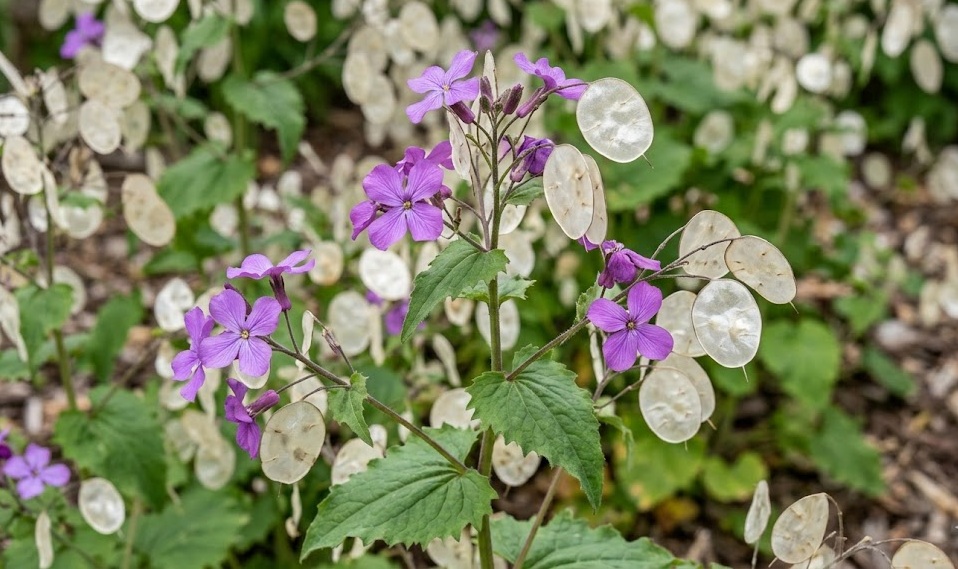
Harvesting the seed pods is the most significant “pruning” task in the life of this biennial. The best time to cut the stems is in late summer or early autumn, once the pods have turned from green to brown and are completely dry. Cutting them too early when they are still succulent will result in shriveled pods that lack the desired translucent quality. Look for a papery texture and a slight rattling sound when the stem is shaken as an indicator of maturity.
More articles on this topic
When cutting the stems for indoor use, make the cut as low to the ground as possible to provide a long handle for arrangements. Use a sharp pair of bypass pruners to ensure a clean break that won’t crush the hollow stems. Once harvested, the stems can be tied in loose bundles and hung upside down in a cool, dry place with good air circulation. This final drying phase allows the outer skins of the pods to become brittle and easy to remove.
The process of “peeling” the pods to reveal the silver centers is a delicate task that requires patience. Gently rub the outer layers between your thumb and forefinger until they slip away, revealing the translucent membrane and the dark seeds. This manual work is often done after the stems have been brought indoors, as it is much easier to manage in a controlled environment. The resulting silver discs are a favorite for dried floral displays and seasonal decorations.
If you prefer to leave the pods in the garden for winter interest, no immediate cutting is required. The silver pods can look stunning against a backdrop of dark evergreens or when dusted with a light layer of frost. In this case, the pruning is delayed until the following spring when the entire dead plant is removed to make room for new seedlings. This approach allows the plant to complete its natural cycle and provide food for local wildlife.
Post-flowering care and garden hygiene
Once the seeds have been dispersed or the pods harvested, the parent plant will naturally begin to die back. At this point, the entire plant should be cut back to ground level to maintain a tidy garden appearance. This is a crucial step in garden hygiene, as it removes the dead biomass that could otherwise harbor overwintering pests. The removed material can be composted if it is healthy, or discarded if there were signs of disease during the season.
More articles on this topic
Managing the seedlings that arise after the pods have shattered is the final part of the pruning and maintenance cycle. If too many young plants emerge in one spot, they will need to be thinned out to ensure the survivors have enough space to thrive. Using a small hand hoe or simply pulling them by hand is an easy way to manage the population density. Proper thinning is essentially a form of early-stage pruning that dictates the health of the next generation.
In some cases, you may wish to prevent the plant from self-seeding entirely by cutting all the stems before the pods open. This is common in more formal garden settings where a wilder, naturalized look is not desired. By removing the seed heads early, you control where the plant grows and prevent it from “wandering” into neighboring flower beds. However, this means you will need to manually sow fresh seeds each year to maintain the population.
A professional approach to pruning always considers the long-term health of the entire garden ecosystem. By timing your cuts to match the plant’s natural transitions, you work with nature rather than against it. Whether you are shaping a young rosette or harvesting a bundle of silver coins, your actions help tell the story of this unique biennial. Consistent, thoughtful maintenance is the key to a garden that remains beautiful and productive year after year.