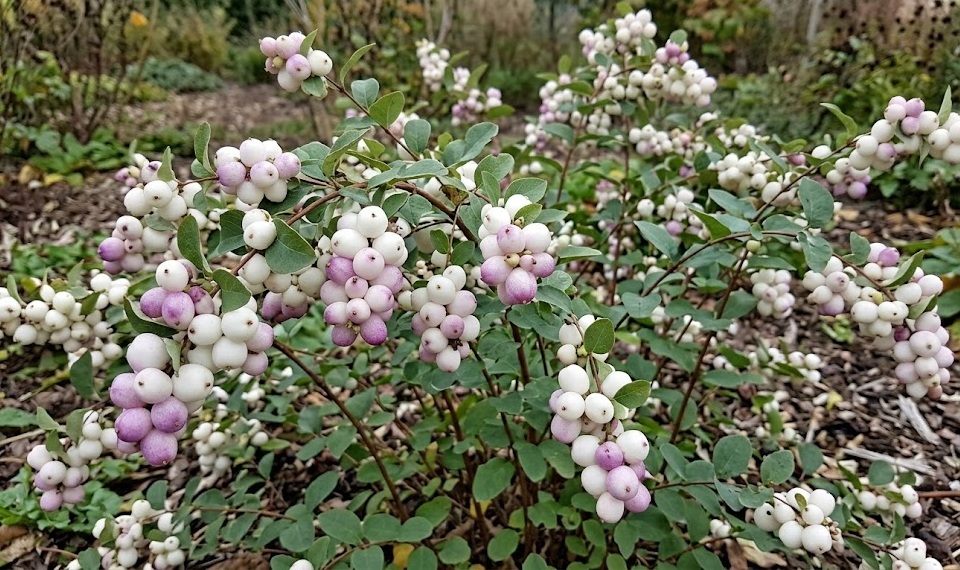

Mastering the art of pruning the garden snowberry is the key to maintaining a shrub that is both healthy and aesthetically pleasing. This deciduous plant has a naturally vigorous growth habit that can become unruly if left entirely to its own devices. You should view pruning not just as a chore, but as a strategic intervention that directs the plant’s energy and enhances its decorative features. By following a professional pruning schedule, you ensure that your snowberry remains a graceful and productive member of your garden for many years.
The primary goal of pruning this species is to encourage the growth of fresh, vibrant stems that will produce the best berries. As the plant ages, the older wood becomes less productive and can start to look cluttered or twiggy. You should aim to perform your main pruning session in the late winter or very early spring, before the new growth begins to emerge. This timing allows you to see the structure of the shrub clearly and ensures that the plant has the entire growing season to recover and flourish.
A common technique for maintaining the snowberry is known as renewal pruning, which involves removing a portion of the oldest stems each year. You should identify the thickest, darkest branches and cut them back right to the ground using sharp, clean bypass loppers. By removing about one-third of the old wood annually, you stimulate the base of the plant to send up vigorous new shoots. This cyclical approach keeps the shrub young and energetic, preventing it from becoming overly woody or sparse at the center.
In addition to renewal pruning, you may also need to perform light maintenance throughout the year to manage the plant’s shape and size. This involves trimming back any wayward branches that are growing too far into pathways or competing with neighboring plants. You should always make your cuts just above a healthy bud or a lateral branch to encourage neat, predictable regrowth. A well-maintained snowberry should have a balanced, fountain-like appearance that showcases its arching stems and white berries.
Specific techniques for berry production
Because the garden snowberry produces its fruit on the current season’s growth, the way you prune directly impacts the winter display. Hard pruning in early spring encourages the plant to put out a flush of new, flexible stems that will be loaded with berries by autumn. You should avoid heavy pruning in the late summer or autumn, as this would remove the developing flowers and fruit. Understanding this flowering and fruiting cycle is essential for any gardener who wants to maximize the ornamental value of their shrubs.
More articles on this topic
If you are growing the snowberry as part of a formal hedge, you can use shears to maintain a more structured and tidy appearance. However, be aware that frequent shearing can lead to a very dense outer shell of foliage while the interior of the plant becomes bare. To prevent this, you should occasionally reach inside the hedge and remove some of the older wood to allow light and air to penetrate. This internal thinning is a professional secret for keeping hedges healthy and vibrant from the inside out.
For a more natural, informal look, you can focus on selective thinning rather than overall shearing. This involves removing individual branches at different heights to create a layered and textured effect. This technique is particularly effective for shrubs that are planted as specimens or in a woodland setting where a wilder aesthetic is desired. Selective thinning also reduces the weight on the remaining branches, making them less likely to break under the load of berries or snow.
After any significant pruning session, it is a good idea to provide the plant with a bit of extra care to support its recovery. You should apply a balanced fertilizer and ensure the shrub is well-watered, especially if the weather is dry. This provides the building blocks the plant needs to quickly produce the new growth you have encouraged. Monitoring the plant’s response to your pruning will help you refine your technique and timing in future years, leading to even better results.
Tool maintenance and pruning safety
Using the right tools and keeping them in top condition is a fundamental aspect of professional gardening. For a snowberry, you will primarily need a pair of sharp bypass pruners for smaller stems and loppers or a small folding saw for the thicker, older wood. You should always ensure that your blades are sharp, as a clean cut heals much faster and is less likely to become a gateway for disease. Dull tools can crush the plant tissue, leading to unsightly dieback and an increased risk of fungal infection.
More articles on this topic
Safety is also a priority when working with shrubs that have a dense or arching growth habit. You should wear sturdy gardening gloves to protect your hands from scratches and sharp twigs, and consider eye protection if you are reaching deep into the center of the plant. Being mindful of your posture and using the right tool for the job will prevent unnecessary strain and ensure that the pruning process is an enjoyable experience. Taking your time and working methodically allows you to make better decisions about which branches to remove.
Sanitation is another critical factor, as pathogens can easily be spread from one plant to another via pruning blades. You should wipe your tools with a disinfectant, such as a solution of rubbing alcohol or a mild bleach, between each shrub. This simple habit is especially important if you are removing wood that appears diseased or dead. A professional gardener treats their tools with respect, knowing that they are the primary instruments for maintaining a healthy and beautiful landscape.
Finally, remember that the garden snowberry is a very resilient plant that can handle even a mistake or two during pruning. If you accidentally remove too much, the plant will usually bounce back with extra vigor in the following season. Your goal is to work in harmony with the plant’s natural tendencies, providing the guidance it needs to look its best. With practice and observation, you will develop a “feel” for pruning that makes it one of the most rewarding tasks in your gardening calendar.