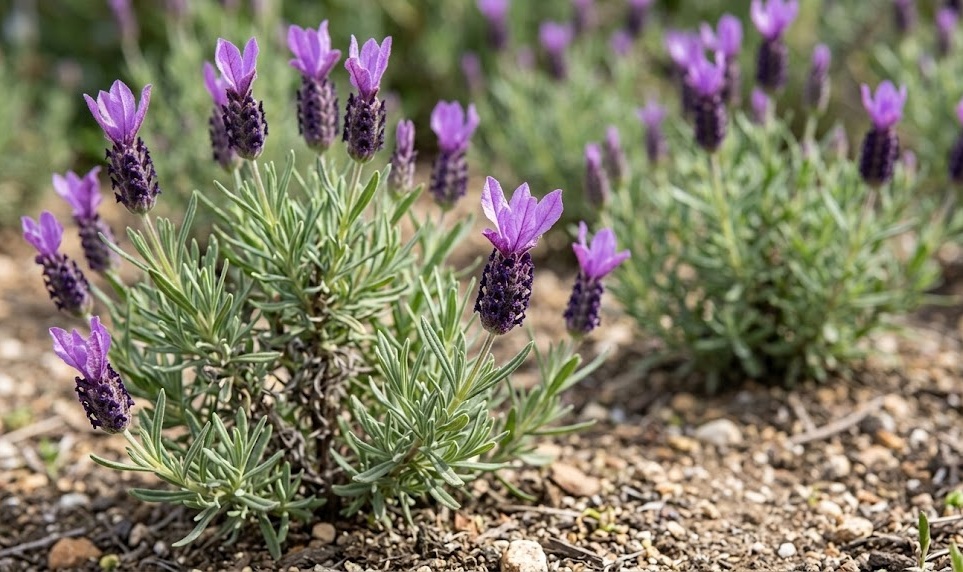

Timing and techniques for spring pruning
Spring is the most important time for pruning your French lavender to set the stage for a productive year. You should wait until you see the first signs of new growth before you reach for your gardening shears. This ensures that the plant has survived the winter and is ready to put energy into new shoots. A light pruning in the spring helps maintain a neat, rounded shape and encourages more flower buds to form.
The goal of this early season cut is to remove any winter damage and tidy up the overall structure of the shrub. You should focus on cutting back the green stems by about one-third of their total length from the previous year. Always use sharp, clean tools to make precise cuts that will heal quickly in the spring sun. This process also helps air circulate through the center of the plant, which is vital for its long-term health.
Be very careful not to cut back into the old, woody parts of the stem that have no green leaves. French lavender does not regenerate well from old wood, and heavy pruning can lead to permanent bare spots or death. You must always leave at least two or three inches of green foliage below your cut to ensure the stem continues to grow. This careful approach respects the natural growth habit of the plant while still providing the necessary maintenance.
If you notice any dead or diseased branches during your spring inspection, remove them completely at their base. These parts will not recover and can serve as a entry point for pests or fungal infections in your garden. Keeping the interior of the shrub clean and open is one of the best ways to prevent future problems. Once you have finished your spring pruning, the plant will look a bit smaller but will soon explode with new life.
Deadheading and summer maintenance
Deadheading is the process of removing spent flowers throughout the summer to keep the plant looking fresh and vibrant. You should cut the flower stalks back down to the first or second set of leaves as soon as the blooms fade. This prevents the plant from spending energy on seed production, which can be very taxing during the heat of summer. Many gardeners find that regular deadheading can even encourage a second, smaller flush of flowers later in the season.
More articles on this topic
The unique “rabbit ears” of the French lavender are beautiful, but they can look quite messy once they begin to brown. By removing them promptly, you maintain the aesthetic appeal of your garden beds or containers all summer long. This simple task can be done every few weeks as part of your regular garden walk-through. It is a relaxing job that allows you to stay connected with the health and progress of your plants.
During particularly hot summers, you might also want to do a very light “haircut” of the foliage to reduce water loss. This is not a major pruning, but rather a thinning out of the tips to help the plant cope with extreme heat. Only do this if the plant looks stressed and the soil is already being managed correctly for moisture. A lighter canopy can sometimes help the shrub stay cool and reduce the overall demand on the root system.
Always collect the trimmings and flowers you remove to use for crafts or to keep your garden tidy. Leaving dead organic material on top of the lavender can trap moisture and invite unwanted pests to take up residence. A clean plant is a healthy plant, and summer maintenance is the key to achieving that goal. Your efforts will be rewarded with a lavender shrub that stays green and fragrant throughout the entire sunny season.
Rejuvenating old and woody plants
As French lavender ages, it naturally tends to become more woody and split open in the center. If your plant has reached this stage, you might be tempted to cut it back harshly, but you must resist that urge. Instead, you can try a more gradual rejuvenation process over two or three years to bring back some of the green growth. This involves selectively pruning the youngest branches more heavily while leaving the older ones to support the plant.
More articles on this topic
Start by identifying the most vigorous stems and focusing your pruning efforts on those areas first. You can also try to encourage new growth from the base by ensuring the crown has maximum light and no mulch buildup. Sometimes, mounding a little bit of light, sandy soil around the base can encourage new shoots to emerge from the lower nodes. However, you must be very careful not to cause rot by burying the stems too deeply in damp material.
If the plant is truly beyond saving and looks mostly dead in the middle, it might be time to replace it with a fresh seedling. French lavender is not as long-lived as some other shrubs, and ten years is often considered a very good lifespan. You can use the opportunity to plant a new variety or improve the soil in that specific spot of your garden. Gardening is a cycle of growth and renewal, and sometimes starting fresh is the most professional decision you can make.
To prevent your lavender from becoming too woody in the first place, never skip your annual pruning routine. Consistency is much more effective than trying to fix a neglected plant after several years of growth. By taking a little bit off every spring and summer, you keep the wood young and the foliage dense and productive. This proactive care is the hallmark of an expert gardener who understands the needs of Mediterranean species.