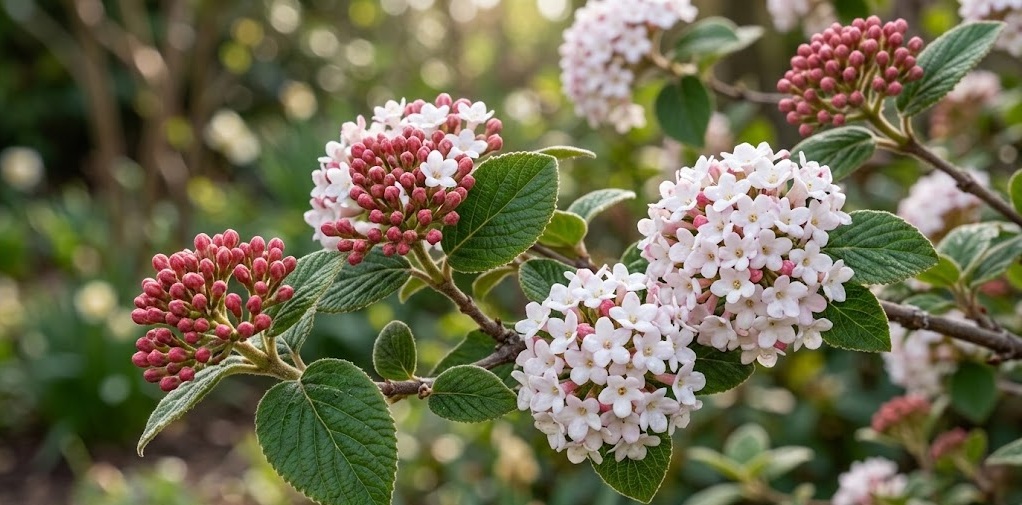

Pruning and cutting back the fragrance viburnum is a task that combines artistic vision with technical horticultural knowledge to maintain the plant’s health and beauty. You should approach pruning with a clear goal in mind, whether it is to shape the shrub, remove old wood, or encourage more vigorous flowering. When done correctly, pruning stimulates the plant to renew itself and ensures that the interior of the canopy remains open to light and air. It is one of the most direct ways you can shape the future of your garden’s centerpiece.
The timing of your pruning is perhaps the most critical technical detail you need to remember for this specific variety. You should always wait until immediately after the flowers have faded in the spring before you pick up your shears. Because this viburnum sets its flower buds for the following year during the summer, pruning too late in the season will result in cutting off next year’s blooms. Pruning right after flowering gives the plant the entire growing season to produce new wood and fresh buds.
Using the right tools and keeping them in professional condition is essential for making clean cuts that heal quickly. You should use sharp bypass pruners for smaller branches and a pruning saw for anything thicker than an inch. Always clean your tools with a disinfectant between plants to prevent the accidental spread of any hidden diseases. A clean, smooth cut is much less likely to become an entry point for pests or fungal spores than a jagged, torn one.
Pruning is also an opportunity to inspect the structural integrity of the shrub and remove any “dead, damaged, or diseased” wood. You should start by clearing out these problematic areas before moving on to more aesthetic or thinning cuts. This “three D’s” rule is a fundamental part of expert pruning and should be your first priority every time you work on the plant. Keeping the shrub clean and healthy is the foundation upon which all other pruning goals are built.
Timing the prune for maximum floral impact
Understanding the bloom cycle of the fragrance viburnum is the key to timing your pruning for the best results. You will notice that the buds for the spring flowers are already present on the stems during the winter months. If you prune in the late winter or very early spring, you will be removing the very thing you most want to see and smell. By waiting until the petals have fallen, you ensure that you enjoy the full sensory experience before you begin your maintenance.
More articles on this topic
After the flowers fade, the plant enters a phase of rapid growth where it produces the wood that will carry the buds for the following year. You should complete your pruning during this window of time to allow the new stems to mature and “harden off” before the autumn arrives. This timing gives the plant enough energy to heal its wounds and put all its resources into high-quality new growth. It is a natural rhythm that, once understood, becomes a standard part of your yearly garden routine.
If you have a very old or neglected shrub that needs a more drastic “rejuvenation” prune, the timing remains the same. You can cut back about a third of the oldest stems right to the ground each year over a three-year period. This professional technique slowly replaces the entire structure of the plant with fresh, young wood without the shock of a single massive cut. Patience is a virtue in pruning, and a gradual approach often leads to the most sustainable and beautiful results.
For minor shaping or the removal of a single stray branch, you can act at almost any time, but be aware of the loss of potential flowers. You should always consider whether a cut is truly necessary or if it can wait until the proper post-bloom window. Professional gardeners often “think twice and cut once,” recognizing that it takes much longer for a branch to grow back than it does to remove it. Your careful timing ensures that the plant remains a fragrant highlight of your garden year after year.
Removal of old wood and thinning techniques
Thinning is the process of removing entire branches back to their point of origin to open up the interior of the shrub. You should look for branches that are crossing or rubbing against each other, as these can create wounds in the bark where disease can enter. Removing one of these competing stems will improve the air circulation and allow more light to reach the center of the canopy. A well-thinned shrub has a much more elegant and natural appearance than one that is simply sheared on the outside.
More articles on this topic
Focusing on the oldest, thickest wood is a professional strategy for keeping the plant young and productive. You will notice that the most fragrant and beautiful flowers often grow on the younger, more vigorous stems. By removing a few of the oldest “canes” each year, you encourage the plant to send up fresh shoots from the base. This continuous renewal process prevents the shrub from becoming a dense, tangled mass of unproductive wood.
When making a thinning cut, you should always cut just above the “branch collar,” which is the slightly swollen area where the branch meets the main stem. You should avoid leaving long “stubs” that will simply die back and rot, and also avoid cutting too close to the main trunk, which can damage the plant’s ability to heal. This technical precision is what separates a professional pruning job from a casual one. Understanding the anatomy of the plant is essential for making safe and effective cuts.
The goal of thinning is to create a balanced structure where every part of the plant has the space and resources it needs to thrive. You should step back frequently and look at the shrub from different angles to ensure you are maintaining a pleasing and natural shape. A properly thinned viburnum should look like it hasn’t been pruned at all, just like a healthier and more organized version of itself. This subtle approach is the hallmark of an expert gardener who respects the natural form of the plant.
Shaping for aesthetics and architectural presence
Shaping the fragrance viburnum allows you to control its size and how it fits into your overall garden design. You should avoid the urge to use hedge shears to create a formal, flat-sided box, as this will destroy the plant’s natural grace and significantly reduce its flowering. Instead, use hand pruners to make individual cuts at different heights to maintain a soft, rounded, and informal appearance. This “naturalistic” shaping is much more appropriate for a shrub known for its romantic fragrance and spring beauty.
If the shrub is growing too tall or too wide for its designated space, you can use “heading back” cuts to reduce its size. You should cut back to a healthy bud or a side branch that is growing in the direction you want the new growth to go. This professional technique allows you to direct the plant’s energy and prevent it from becoming an unruly mess. Always remember that the plant will respond to a cut by growing more vigorously from the buds just below the wound.
Maintaining the architectural presence of the shrub means ensuring it has a strong central framework and a clear sense of balance. You should look for any “water sprouts,” which are thin, vertical shoots that grow rapidly from the main branches and can ruin the plant’s shape. Removing these early on keeps the shrub looking tidy and prevents them from competing for nutrients with the more productive stems. A well-shaped viburnum provides structure to the garden even when it is not in bloom.
Ultimately, pruning is a conversation between you and the plant that evolves over many years. You should be prepared to adjust your technique as the shrub matures and as your vision for the garden changes. When you see the first white flowers opening on a perfectly shaped and healthy specimen, you will know that your pruning efforts were successful. The beauty and fragrance of a well-tended viburnum are the best rewards for your professional and dedicated care.