
Developing a professional pruning routine is one of the most effective ways to ensure the health, structure, and productivity of your shrubs over many decades. You should approach each cut with a clear purpose, whether you are shaping a young plant or rejuvenating an older specimen in your garden. Your goal is to work with the natural growth habit of the plant to create a strong framework that can support heavy crops of fruit. Expert pruning is a blend of horticultural science and artistic vision that brings out the best in every plant.
The best time to perform major pruning tasks is in the late winter or very early spring, while the plant is still dormant but the sap is about to flow. You can easily see the structure of the branches without the leaves, allowing you to make precise decisions about which wood to remove or retain. It is important to finish your work before the flowers begin to open, as the plant will soon need all its energy for its spectacular spring display. This timing ensures that the wounds heal quickly and the plant can focus on new growth as soon as the weather warms.
You should always start your pruning session by removing the three “Ds”: dead, damaged, or diseased wood that could compromise the health of the plant. This basic cleanup improves the appearance of the shrub and prevents pathogens from spreading into the healthy parts of the vascular system. Using sharp, sterilized tools is a professional requirement that ensures clean cuts and reduces the risk of accidental infection during the process. Taking these initial steps creates a healthy foundation for the more detailed structural work that follows.
Maintaining an open center in the canopy of the shrub is a key professional technique that improves air circulation and light penetration for every branch. You should identify and remove any branches that are growing inward or crossing and rubbing against each other, as these can create wounds and harbor pests. An open structure allows the sunlight to reach the inner fruit-bearing wood, leading to a more even ripening of the berries across the entire plant. This attention to the internal environment of the shrub is what separates a professional prune from a casual trim.
Structural pruning
When working with young plants, your focus should be on establishing a strong and balanced structural framework that will last for the life of the shrub. You should select several main leader branches that are well-spaced and growing at healthy angles from the main trunk. Removing competing shoots early in the plant’s life prevents structural weaknesses that could lead to branch breakage under heavy snow or fruit loads in the future. This early investment in form is a professional practice that ensures the long-term stability and beauty of the specimen.
More articles on this topic
You must be careful not to remove too much of the young plant’s foliage at once, as it needs its leaves to produce the energy required for root development and growth. A gradual approach to shaping, spread over several seasons, is much more professional and less stressful for the young cornelian cherry. You should aim to guide the plant’s natural growth rather than forcing it into an unnatural or overly formal shape that would require constant maintenance. A well-pruned shrub should look natural and elegant, reflecting the inherent character of the species.
As the plant matures, you will need to perform occasional maintenance pruning to keep the size in check and the structure refined. You should look for any suckers that are growing from the base of the plant and remove them promptly to ensure the energy is directed into the main canopy. If you are growing the plant as a single-stemmed tree, regular removal of these lower shoots is essential for maintaining the clean, professional look of the trunk. Your goal is a balanced and harmonious plant that fits perfectly into your landscape design.
Height management is another consideration for those growing the cornelian cherry in smaller gardens or near structures where space is limited. You can gently head back the tallest branches to a healthy lateral shoot to encourage a more compact and manageable habit. This technique should be used sparingly to avoid stimulating an excessive amount of soft, vertical growth that would be difficult to manage. A professional gardener understands the limits of their space and works with the plant to maintain a size that is both productive and beautiful.
Fruit production pruning
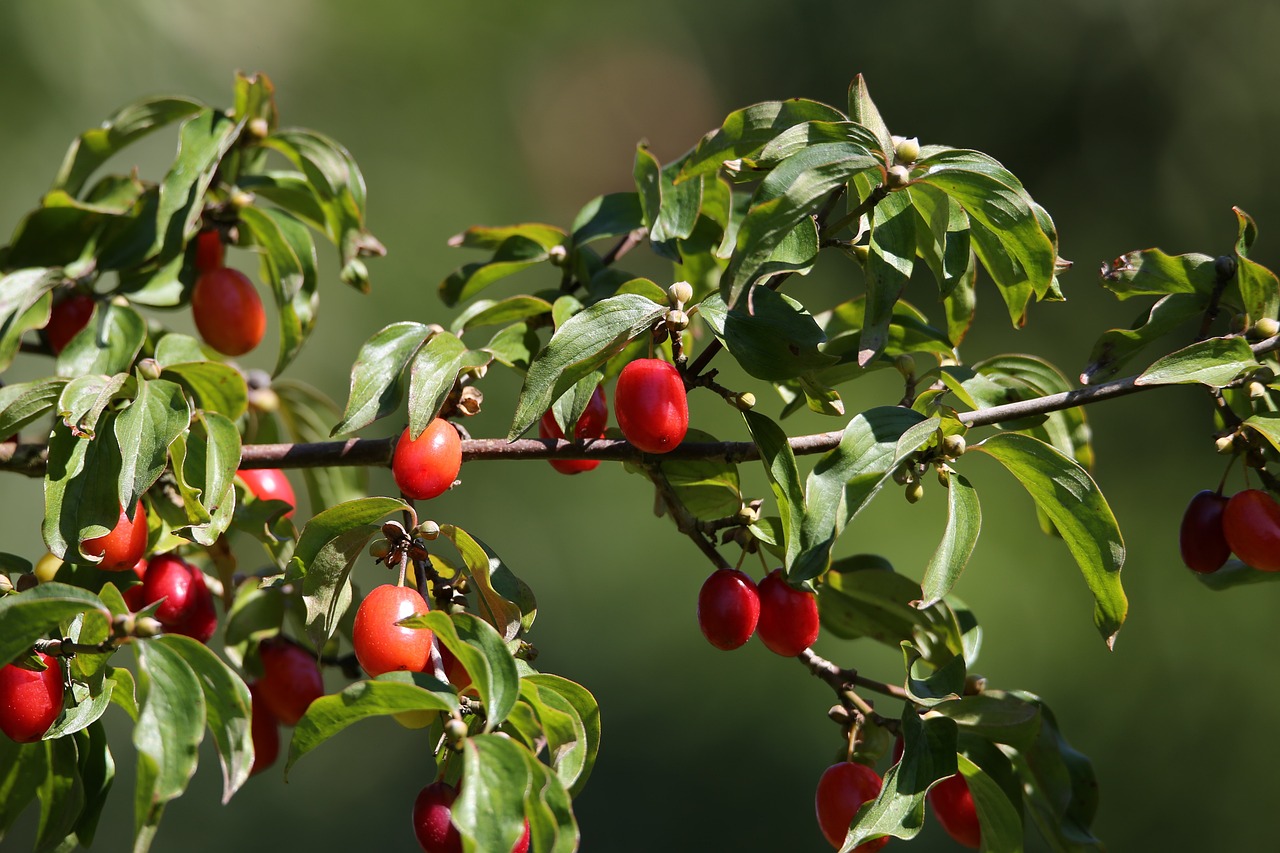
Pruning specifically for fruit production requires a deeper understanding of how the cornelian cherry bears its blossoms and berries on older wood. You should realize that the most productive fruiting spurs are found on wood that is two to five years old, so your pruning strategy should aim to encourage a continuous supply of this material. Regularly removing a small percentage of the oldest, least productive branches each year stimulates the growth of vigorous new shoots from the base. This cycle of renewal ensures that the plant remains youthful and highly productive for many decades.
More articles on this topic
You should avoid the common mistake of “heading back” all the branches, as this removes the very tips where many of the flower buds are located. Instead, use thinning cuts to remove entire branches back to their point of origin, which opens up the canopy without sacrificing the potential harvest. This professional approach maintains the natural beauty of the flowering display while still achieving the goals of size control and rejuvenation. Your commitment to protecting the fruiting wood is reflected in the heavy crops of berries you will enjoy each autumn.
During the pruning process, you can also take the opportunity to thin out any areas where the branches are becoming too crowded with fruiting spurs. While it might seem counterintuitive, reducing the total number of berries can actually lead to a higher quality harvest with larger and sweeter fruit. The plant can then focus its limited resources on developing the remaining berries to their absolute peak of perfection. A professional harvest begins with the careful and deliberate actions you take during the dormant season with your pruning shears.
Finally, you should observe how the plant responds to your pruning over the next growing season and use that information to refine your technique for the following year. Every specimen is unique and will react differently to the changes you make in its environment and structure. Taking notes in your garden journal about your pruning actions and their results is a professional habit that leads to continuous improvement and expertise. Your dedication to learning from the plants themselves is what makes you a true expert in the care and management of the cornelian cherry.
Rejuvenation techniques
For older shrubs that have become overgrown or less productive over time, you can use professional rejuvenation techniques to restore their vigor and beauty. You should consider a “three-year plan” where you remove about one-third of the oldest wood each year until the entire plant has been renewed with fresh, healthy growth. This gradual approach is much safer for the plant than a drastic “hard prune,” which can sometimes shock a mature specimen and lead to its decline. Rejuvenation is an act of patience and vision that can breathe new life into a neglected part of your garden.
When performing rejuvenation pruning, you should cut the old branches back to a few centimeters above the ground or to a strong, low-growing lateral shoot. This stimulates the dormant buds at the base of the plant to burst into life, creating a flush of vigorous new stems that will become the productive wood of the future. You will find that the cornelian cherry is remarkably resilient and responds very well to this kind of professional intervention when it is done correctly. Your role is to provide the support and care the plant needs to recover and thrive during this intensive transition.
After a major rejuvenation prune, you must pay extra attention to the watering and nutritional needs of the plant as it works to regrow its canopy. Providing a layer of high-quality compost and ensuring consistent moisture will help the new shoots grow quickly and become established before the next winter. You might also need to thin out the new shoots if too many emerge at once, selecting only the strongest and best-positioned ones to form the new structure. This follow-up care is just as important as the pruning itself for achieving a professional and successful outcome.
The final result of your rejuvenation efforts will be a shrub that looks years younger and is once again covered in golden blossoms and heavy crops of fruit. You will feel a great sense of professional pride in having saved a mature specimen and restored its place as a centerpiece of your landscape. The skills you develop in pruning and cutting back will serve you well in all your gardening endeavors, ensuring that your plants remain healthy and productive for generations. Your dedication to the art and science of pruning is what makes your garden a truly exceptional place.