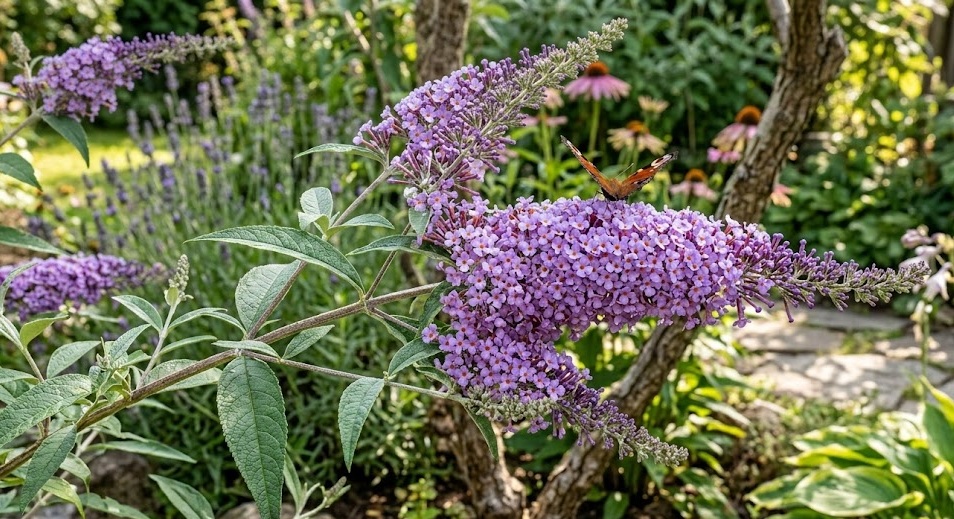

Mastering the art of pruning is essential for anyone who wants to maintain a professional and attractive butterfly bush. Because these shrubs are incredibly fast growers, they can quickly become unmanageable and messy if left to their own devices. Pruning is not just about controlling the size of the plant; it is a vital tool for promoting health, encouraging prolific flowering, and rejuvenating older specimens. By following a consistent and professional pruning schedule, you ensure that your butterfly bush remains a highlight of your garden rather than an overgrown eyesore.
The annual rejuvenation pruning
The most important pruning task for a butterfly bush is the heavy cut-back that takes place in the late winter or very early spring. These shrubs bloom on “new wood,” which means the flowers are produced on the stems that grow during the current season. By cutting the entire plant back significantly, you stimulate the growth of many vigorous new shoots that will carry the summer’s floral display. This practice prevents the plant from becoming too woody and keeps the flowers at a level where they can be easily enjoyed.
In most cases, you can cut the entire shrub back to about twelve to eighteen inches above the ground. While this might seem drastic to a novice gardener, the butterfly bush is remarkably resilient and will quickly bounce back as the weather warms. This “hard pruning” also allows you to clear away any winter damage or dead wood that has accumulated in the center of the plant. The result is a much more compact, rounded, and healthy-looking shrub that is perfectly prepared for the upcoming growing season.
If you live in a region with very mild winters, you might choose to be a bit less aggressive with your annual pruning. However, even in warm climates, it is beneficial to remove at least half of the previous year’s growth to maintain a good shape and encourage fresh blooming wood. A plant that is never cut back will eventually become sparse at the base and will produce smaller, less impressive flower spikes. Consistency is key, as performing this task every year is much easier than trying to fix a neglected plant later on.
The timing of this annual pruning is critical to avoid damaging the plant or losing the season’s flowers. You should wait until the worst of the winter cold has passed but before the new buds have started to open in the spring. If you prune too early, an unexpected hard freeze can damage the freshly cut stems and cause significant dieback. By watching the local weather patterns and waiting for the right window, you provide your plant with the best possible start for the year.
More articles on this topic
Tools and techniques for success
To achieve professional results, you must use the right tools and keep them in excellent condition. For most pruning tasks on a butterfly bush, a sharp pair of bypass pruners is the most versatile and effective tool. These allow you to make clean, precise cuts that heal quickly and minimize the risk of introducing disease to the plant. For thicker, older stems at the base of the shrub, you may need a pair of loppers or even a small pruning saw to get through the wood easily.
Whenever you make a cut, you should aim to do so at a slight angle about a quarter-inch above a healthy bud or leaf node. This ensures that the plant’s energy is directed into new growth and that water doesn’t sit on the flat surface of the cut, which can lead to rot. You should also try to cut to an “outward-facing” bud whenever possible to encourage the new branches to grow away from the center of the plant. This technique helps to maintain an open canopy and improves air circulation throughout the shrub.
Maintaining tool hygiene is a professional standard that should never be overlooked when working in your garden. You should sterilize your pruning blades with rubbing alcohol or a mild bleach solution before moving from one plant to another. This simple step prevents the accidental spread of fungal or bacterial diseases that might be present on one shrub but not another. Keeping your tools sharp also makes the work much easier for you and results in less physical stress for the plant during the pruning process.
As you work through the plant, take the time to step back and evaluate the overall shape and balance of the shrub. Pruning is as much an aesthetic task as it is a functional one, and you want to ensure the final result looks intentional and professional. Remove any branches that are crossing or rubbing against each other, as these can create wounds that invite pests and disease. By being thoughtful and methodical, you can transform the structure of the plant and improve its long-term health and beauty.
More articles on this topic
Mid-season maintenance and deadheading
While the heavy pruning happens in the spring, there are several tasks you should perform throughout the summer to keep your butterfly bush looking its best. The most important of these is deadheading, which involves removing the flower spikes as they begin to fade and turn brown. This prevents the plant from putting energy into seed production and instead encourages it to produce more flowers. Regular deadheading can extend the blooming season by several weeks, providing a consistent source of color in your garden.
When deadheading, you should cut the spent flower spike back to the next set of leaves or a developing lateral bud. This encourages the plant to branch out and produce even more flowers from the same stem, creating a fuller and more prolific display. If you simply pull the dead flowers off, you may leave behind unsightly stubs that can eventually die back and become an entry point for disease. A clean, professional cut is always the better choice for the health and appearance of the shrub.
In mid-summer, you might also notice some “water sprouts” or excessively long, thin stems that are growing much faster than the rest of the plant. These can make the shrub look unbalanced and may even cause it to flop over under the weight of the flowers. You can prune these back at any time to maintain the desired shape and size of the bush. Don’t be afraid to take a light-handed approach to shaping the plant during the growing season; it is very forgiving and will respond quickly to your touch.
Finally, keep an eye out for any “reversion” if you are growing a variegated or specialized cultivar. Sometimes a branch will emerge that has lost the unique characteristics of the variety, such as a plain green stem appearing on a bush with silver-edged leaves. You should prune these branches out entirely as soon as you see them, as they are often more vigorous and can eventually take over the entire plant. This attention to detail is what defines a professional gardener and ensures that your butterfly bush remains a true specimen in your landscape.