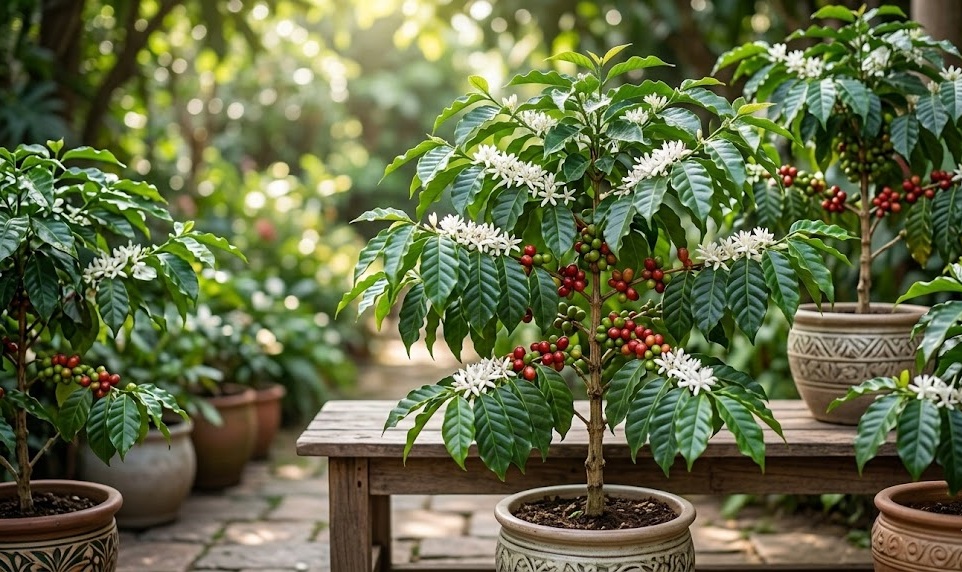

Pruning is an essential maintenance task that goes beyond simple aesthetics to influence the health, structure, and productivity of the coffee plant. Without regular intervention, these shrubs can become leggy, unbalanced, and difficult to manage in an indoor setting. A professional pruning strategy encourages lateral branching, improves air circulation, and ensures that the plant’s energy is directed toward its most productive areas. This article provides a technical guide to the tools, timing, and techniques required for expert pruning and cutting back.
Essential pruning tools
The quality of your tools has a direct impact on the health of the plant and the speed at which it recovers from a pruning session. You should use a pair of high-quality bypass pruners that provide a clean, sharp cut without crushing the sensitive stem tissues. Anvil-style pruners should be avoided as they squeeze the stem, which can lead to bruising and provide an entry point for pathogens. For smaller, more delicate stems or for pinching out new growth, a pair of sharp floral snips is often the best choice.
Maintaining the sterility of your tools is a non-negotiable requirement for any professional gardening task. You should wipe the blades with seventy percent isopropyl alcohol between each cut to prevent the spread of bacteria, fungi, or viruses. This is especially important if you are pruning multiple plants or if you suspect one plant might be struggling with a disease. A clean cut from a sterile tool will heal much faster and is less likely to develop complications during the recovery process.
Regular sharpening of your pruners ensures that you are making the most precise cuts possible with the least amount of effort. You can tell your tools are dull if they leave a ragged edge or if you have to apply significant pressure to move through a branch. A professional keeps a small sharpening stone or file in their toolkit and uses it frequently to maintain the edge of the blade. Investing in high-quality tools and keeping them in top condition is a sign of a serious horticulturalist who respects their plants.
In addition to cutting tools, you may also need some basic supplies to help the plant after a major pruning session. A clean, damp cloth can be used to wipe away any sap that might leak from a fresh wound, preventing it from attracting pests. While most coffee plants heal their own wounds quickly, some growers use a light dusting of cinnamon as a natural antifungal agent on large cuts. Having everything prepared before you begin ensures that the pruning process is efficient and causes the minimum amount of stress to the plant.
More articles on this topic
Formative pruning for structure
Formative pruning begins when the plant is young and is focused on building a strong, balanced framework for future growth. The goal is to encourage the plant to develop a thick central leader and multiple layers of horizontal branches that give it a full appearance. You should wait until the young plant is about thirty centimeters tall before you start to make your first structural decisions. Removing the growing tip of the main stem, a process known as topping, will trigger the plant to produce two new lateral branches at the highest node.
As the plant continues to grow, you should periodically pinch back the tips of the lateral branches to encourage even more branching. This creates a denser canopy that is not only more attractive but also provides more potential sites for flowering and fruiting. You should aim for a symmetrical shape by pruning back any branches that are growing much faster than the others. A professional approach involves looking at the plant from all angles before making a cut to ensure the final form will be balanced.
Interior pruning is also important for maintaining good air circulation and light penetration throughout the entire structure of the plant. You should remove any small, weak branches that are growing toward the center of the plant or crossing over other branches. These “sucker” branches use up valuable energy but contribute very little to the overall health or appearance of the specimen. By thinning out the interior, you reduce the risk of pest infestations and ensure that the inner leaves remain productive and healthy.
The best time for major formative pruning is in the early spring, just as the plant is entering its most active growth phase. This timing allows the plant to use the spring surge of energy to quickly produce new buds and heal the pruning wounds. You should avoid heavy pruning in the late autumn or winter when the plant’s metabolism is slower and recovery will take much longer. With consistent formative pruning, you can shape your coffee plant into a professional-looking shrub that will thrive for years to come.
More articles on this topic
Regenerative cutting techniques
For older coffee plants that have become too large or have lost their lower leaves, regenerative pruning can provide a fresh start. This technique involves a more aggressive cutting back of the main stems to stimulate dormant buds lower down on the plant. You should only perform this type of pruning on a healthy, well-established plant that has the energy reserves to recover from such a significant loss of foliage. A professional approach is to cut the stems back by about one-third or even one-half of their total length, making the cut just above a healthy node.
After a major cutback, the plant will need extra care and attention to help it navigate the recovery process successfully. You should maintain high humidity and ensure the plant is receiving optimal light to fuel the production of new growth. It is often helpful to reduce the watering frequency slightly after a heavy prune, as the plant has much less foliage to transpire moisture. You will soon see small green “nubs” emerging from the bark, which will quickly develop into a completely new set of branches and leaves.
Regenerative pruning is also an excellent opportunity to inspect the plant for any hidden issues and to refresh the top layer of soil. You should remove any dead or diseased wood completely, cutting back to healthy, green tissue to prevent any rot from spreading. This type of deep maintenance can add many years to the life of a coffee plant that might otherwise have become unmanageable or unattractive. A professional grower is not afraid to make bold cuts when they know it will result in a healthier and more vigorous specimen.
The final results of a regenerative prune can take several months to fully manifest, as the plant rebuilds its canopy from the ground up. You should continue to use formative techniques on the new growth to ensure that the refreshed plant develops into a better shape than the old one. This cycle of growth and renewal is a natural part of managing long-lived tropical shrubs in a container environment. Mastery of these cutting techniques allows you to keep your arabian coffee plant at its peak of health and beauty throughout its entire life.