
Pruning is a vital maintenance task that keeps rock soapwort looking its best and encourages a healthy, long-lived growth habit in the garden. Without regular intervention, this trailing perennial can become woody, sparse in the center, or uncomfortably leggy as it spreads across your landscape. You must understand the timing and techniques required to manage its growth effectively while stimulating fresh new foliage and future blooms. By mastering the art of the seasonal trim, you can transform a ragged groundcover into a neat, vibrant, and professional-looking garden feature.
Post-flowering trim
The most important time to prune your rock soapwort is immediately after the main flush of flowers has started to fade in early summer. At this stage, the plant has expended a great deal of energy on its display and can benefit from a significant reduction in its stem length. You should use a pair of sharp garden shears to cut the entire plant back by about half of its height, removing the spent flower heads in the process. This practice prevents the plant from wasting energy on seed production and directs it back into the foliage.
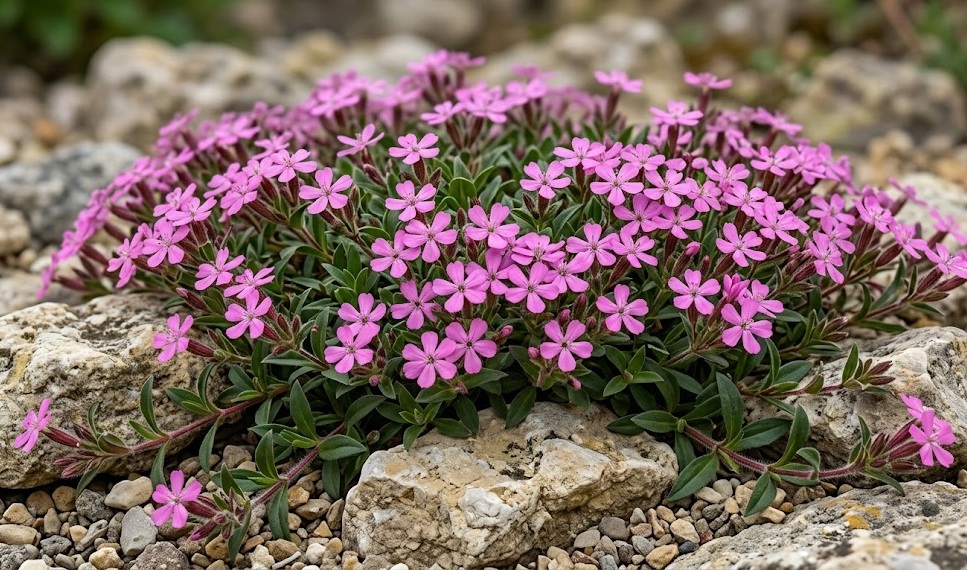
Cutting the plant back at this time also helps to maintain the tight, cushion-like shape that is so desirable for rock garden specimens. If left unpruned, the long flowering stems will eventually turn brown and die back, leaving a messy and unattractive appearance for the rest of the summer. By removing this old growth, you reveal the fresh green shoots that are already waiting at the base of the plant. This simple act of renewal keeps the groundcover looking lush and intentional throughout the entire growing season.
You will be amazed at how quickly the soapwort responds to this post-flowering trim with a surge of healthy new growth. Within just a few weeks, the plant will have filled back in with a dense mat of vibrant green leaves that will look great until the winter. In some cases, a light pruning in the summer can even encourage a smaller, secondary bloom later in the season if the weather remains favorable. It is one of the most rewarding maintenance tasks you can perform for this specific perennial species.
When performing this task, make sure to clear away all the clippings from the top of the plant to ensure that light and air can reach the lower stems. If left in place, the cut material can rot and create a damp environment that encourages pests or diseases. A clean, well-trimmed plant is not only more beautiful but also much healthier and more resilient against the stresses of summer. This professional attention to detail is what sets a well-maintained garden apart from the rest.
More articles on this topic
Shaping for density
Regular pruning is also an essential tool for managing the overall spread and density of your rock soapwort colonies over time. Because this plant has a naturally trailing habit, it can easily begin to encroach on its neighbors or spill out onto paths where it isn’t wanted. You can easily maintain the desired boundaries by selectively trimming back the leading stems several times throughout the growing season. This type of “directional pruning” keeps the garden looking tidy and ensures that every plant has the space it needs to thrive.
In addition to managing the edges, you should also focus on encouraging density within the main body of the plant. By pinching back the tips of the youngest stems in the spring, you stimulate more lateral branching, which results in a much thicker and more robust mat. This increased density is not only aesthetically pleasing but also makes the plant more effective at suppressing weeds and retaining soil moisture. A dense soapwort plant is a self-sustaining and low-maintenance feature of any landscape.
If you notice that certain parts of the plant are becoming much more vigorous than others, you can use pruning to balance the overall growth. Trimming back the most aggressive sections allows the slower parts of the plant to catch up, resulting in a more uniform and attractive display. This level of active management ensures that the groundcover remains a cohesive part of your design rather than an unruly mess. You should always keep your long-term vision for the garden in mind as you work with your shears.
Remember that rock soapwort is a very forgiving plant when it comes to pruning, so you shouldn’t be afraid to experiment with its shape. As long as you don’t cut into the very old, woody stems that have no visible buds, the plant will almost always bounce back with renewed vigor. Developing a regular schedule for these minor shaping tasks will make the overall maintenance of your garden much easier and more predictable. It is a proactive approach that pays dividends in both beauty and plant health.
More articles on this topic
Rejuvenation pruning
As rock soapwort ages, it may eventually reach a point where a standard trim is no longer enough to keep it looking vibrant and healthy. You might notice that the center of the clump becomes very woody and bare, with all the new growth and flowers occurring only at the very ends of the long stems. When this happens, it is time for a more drastic intervention known as rejuvenation pruning to breathe new life into the specimen. This process involves cutting the plant back quite hard to encourage a complete replacement of the old structure.
The best time for a major rejuvenation is in the early spring, just as the very first signs of new life are appearing at the base of the plant. You can cut the entire plant back to within a few inches of the ground, being careful to leave at least some visible green growth or small buds on each stem. While the plant may look a bit sparse for a few weeks, it will soon respond with a flush of extremely vigorous and healthy new shoots from the base. This process essentially resets the clock for the plant, giving you several more years of high performance.
Following a rejuvenation pruning, you should provide the plant with a bit of extra care to help it recover from the significant loss of foliage. Ensure it stays well-watered during any dry spells and consider a very light application of a balanced fertilizer to support the new growth. Avoid any further pruning for the rest of that season to allow the plant to rebuild its energy reserves and structural strength. This “tough love” approach is sometimes necessary to maintain the long-term quality of your perennial plantings.
If a plant is so old and woody that it doesn’t respond well to rejuvenation pruning, it may be time to consider replacing it with a new division or seedling. However, in most cases, a well-timed and professional hard prune will work wonders for even the most tired-looking soapwort. By staying ahead of the aging process through regular maintenance and occasional rejuvenation, you can enjoy the beauty of this plant for many years to come. Your skill with the pruning shears is a vital part of your success as a gardener.