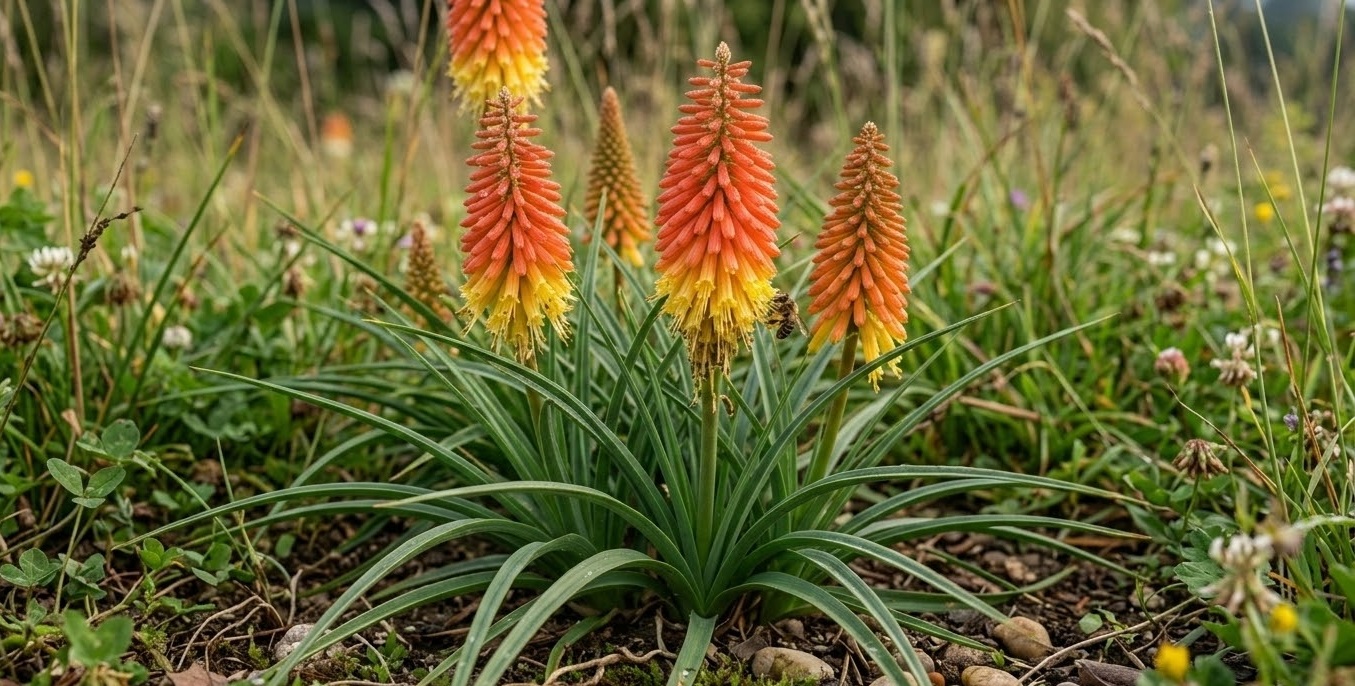

Proper pruning and cutting back are essential maintenance tasks that keep the red hot poker looking its best and prevent the plant from wasting energy. This species does not require complex pruning, but the timing and technique of your cuts can significantly influence its health and flowering. As an expert, you should approach pruning as a way to tidy the plant, encourage more blooms, and prepare it for the changing seasons. Using the right tools and knowing exactly what to remove will ensure that your plants remain a focal point in the garden.
Deadheading spent flower spikes for continuous beauty
The process of deadheading involves removing the flower stalks once they have finished blooming and the individual florets have faded. By doing this, you prevent the plant from putting its energy into seed production, which can sometimes encourage a second, smaller flush of flowers. You should wait until the entire spike has lost its vibrant color and begins to look brown and withered before making your cut. This simple task keeps the plant looking neat and prevents the “messy” look of drying stalks in a professional border.
To deadhead correctly, you should follow the flower stalk all the way down to the base of the foliage clump. Make a clean, slightly angled cut as close to the crown as possible without damaging the surrounding leaves. Avoid leaving “stubs” of the stalks, as these can rot and provide an entry point for pests or diseases. A sharp pair of bypass pruners is the best tool for this job, as they make a clean slice that heals quickly.
Regular deadheading throughout the blooming season also makes the plant more attractive to pollinators by focusing attention on the fresh, nectar-rich spikes. It allows the architectural beauty of the foliage to stand out once the dramatic vertical elements are gone. Many gardeners find this task to be one of the most rewarding parts of maintaining a red hot poker, as it provides an immediate visual improvement. It is a quick and easy way to maintain the high standards of a well-tended garden.
If you are interested in collecting seeds, you can leave a few of the strongest stalks on the plant until the seed pods have fully matured. However, keep in mind that this will divert energy away from the rest of the plant and may slightly reduce its vigor for the following year. For most ornamental purposes, it is better to remove all spent stalks as soon as they are no longer attractive. This disciplined approach ensures that the plant’s resources are always used in the most efficient way possible.
More articles on this topic
Annual foliage management and seasonal cleanup
The leaves of the red hot poker are evergreen in many climates, but they can become ragged, spotted, or brown over the course of a year. Annual foliage management involves removing these damaged leaves to maintain the plant’s health and appearance. You should perform this cleanup in the early spring, just as the new growth begins to emerge from the center of the clump. This timing allows you to remove the “winter-worn” parts of the plant without accidentally cutting the fresh, tender shoots.
When cleaning up the foliage, you should only remove the leaves that are completely brown or severely damaged by frost or pests. You can pull these away gently by hand if they are loose, or use your shears to cut them off at the base. It is generally not recommended to cut back the entire clump of healthy green leaves, as the plant uses them to produce energy through photosynthesis. Keeping as much green material as possible will result in a larger and more robust plant over time.
Some gardeners prefer to “comb” through the foliage with their fingers or a small hand rake to remove any dead material trapped inside the clump. This increases air circulation to the crown, which is vital for preventing rot and fungal issues during the wet spring months. You should also clear away any debris that has accumulated at the base of the plant during the winter. A clean, well-aired crown is the best foundation for a successful and disease-free growing season.
In late autumn, you might choose to do a very light tidy-up, but avoid any heavy pruning at this time. As discussed in the overwintering section, the existing leaves provide valuable protection for the plant’s core during the cold months. If you live in an area with very mild winters, you may find that the foliage remains attractive year-round with only minimal intervention. Tailoring your pruning routine to your specific local climate is a hallmark of professional garden management.
More articles on this topic
Tools and techniques for clean and healthy cuts
Using the right tools is essential for any pruning task, and the red hot poker is no exception to this rule. You should always use sharp, high-quality bypass pruners rather than anvil-style ones, which can crush the fleshy stems and leaves. A clean cut is much easier for the plant to seal, reducing the risk of infection and ensuring a faster recovery. Regularly sharpening and oiling your tools will make your work more efficient and better for your plants.
Disinfecting your pruning shears before and after use is a professional habit that prevents the cross-contamination of diseases between plants. You can use a simple solution of isopropyl alcohol or a specialized garden disinfectant to wipe down the blades. This is particularly important if you have noticed any signs of fungal or bacterial issues in your garden recently. Taking this small extra step can save you a lot of trouble and expense by keeping your entire perennial collection healthy.
The technique you use when making a cut also matters for the long-term health of the red hot poker. Always aim for a clean, single motion rather than “sawing” through the stems, which can create ragged edges. If you are removing a large number of leaves or stalks, take breaks to clean your shears and ensure you aren’t spreading any sap or debris. Being methodical and careful with each cut shows a level of expertise and respect for the living organisms in your care.
Finally, remember to dispose of all pruned material properly, especially if it shows any signs of disease or pest infestation. Composting healthy green material is fine, but anything suspicious should be removed from the garden entirely. Keeping your workspace clean and organized is part of the professional gardening process and helps you stay focused on the task at hand. With the right tools and techniques, pruning your red hot pokers will be a simple and effective part of your regular garden maintenance routine.