
Maintaining the structure and health of your vigorous climbers requires a disciplined and professional approach to pruning and cutting back. These vines are known for their rapid growth, which can quickly become a tangled and unmanageable mess if left to their own devices for too long. You must learn the correct techniques and timing for pruning to ensure your plants stay productive, healthy, and within their allotted space. A well-pruned vine not only looks better but also produces more flowers and has a much lower risk of disease outbreaks.
The primary goals of pruning are to remove dead or diseased wood, to control the overall size and shape of the plant, and to encourage the growth of new flowering wood. Most species produce their flowers on the current season’s growth, which means that regular pruning actually helps stimulate more blooms rather than reducing them. You should always use sharp, clean tools to ensure your cuts are clean and heal quickly, preventing any potential infections from entering the plant. Understanding the specific growth habit of your variety will help you decide how much and where to cut.
Timing is one of the most important factors in successful pruning, and it generally depends on whether you are doing a heavy structural cut or a light maintenance trim. Most major pruning is best done in the late winter or very early spring just as the plant is starting to wake up from its dormant period. This allows the vine to quickly heal its wounds and put all of its energy into producing fresh, healthy new shoots for the upcoming season. During the summer, you can perform lighter trimming to keep the plant tidy and to guide its growth along the trellis or support.
Pruning also plays a vital role in improving the airflow and light penetration throughout the entire canopy of the vine. By thinning out some of the older, inner branches, you allow more sun and air to reach the center of the plant, which is essential for preventing fungal issues. You should aim for a balanced and open structure that looks natural and well-maintained rather than a solid wall of greenery. A professional touch in pruning makes the difference between a wild, sprawling weed and a beautiful, structured horticultural feature.
Pruning tools
Having the right tools for the job is the first step in achieving a professional result when it comes to maintaining your garden vines. You should invest in a high-quality pair of bypass pruners, which use a scissor-like action to make clean, precise cuts without crushing the delicate stems. For thicker, older branches that have become woody over time, a pair of loppers or a small pruning saw may be necessary to get through the material safely. Always ensure your tools are sharp, as a dull blade will tear the bark and leave the plant vulnerable to pests and disease.
More articles on this topic
Sanitation is just as important as sharpness when it comes to the health of your plants during the pruning process. You should make it a habit to disinfect your blades with rubbing alcohol or a mild bleach solution between every plant you work on. This simple practice prevents the accidental spread of viruses and fungal spores from one specimen to another throughout your garden. It is a fundamental part of professional garden hygiene that should never be ignored, especially when dealing with expensive or rare varieties.
For very high vines that have grown out of reach, a pole pruner can be an invaluable tool that allows you to work safely from the ground. You should never try to balance on a ladder while pruning a heavy vine, as the shifting weight of the plant can easily cause you to lose your footing. A pole pruner gives you the reach you need to maintain the top of your trellis or arch without any unnecessary risk to yourself. Being prepared with the right equipment makes the task of pruning much more efficient and enjoyable.
Maintaining your tools after the work is done is the final part of being a responsible and professional gardener. You should clean off any sap or debris from the blades, dry them thoroughly to prevent rust, and occasionally apply a light coating of oil to keep the mechanism moving smoothly. Storing your tools in a dry, protected place ensures they will be ready for action the next time you need to head out into the garden. Good tools that are well-cared-for will last for many years and provide consistently excellent results.
Winter pruning
The most significant pruning session of the year should take place during the late winter months when the plant is dormant and the structure is most visible. You should start by removing any stems that have been damaged by frost, are dead, or show signs of disease or pest infestation. These should be cut back to healthy, green wood or all the way to the main trunk if necessary. This “cleaning” phase is the foundation of a healthy vine and prepares it for the rapid growth that will come with the warmth of spring.
More articles on this topic
Next, you can focus on thinning out the overall canopy to improve the internal structure and ensure that light can reach all parts of the plant. Look for branches that are crossing over each other, growing in the wrong direction, or creating a dense, impenetrable knot of stems. You should aim to keep the main structural branches while removing many of the smaller, side shoots that have already flowered in the previous year. This encourages the plant to put its energy into producing vigorous new growth that will carry this year’s crop of exotic flowers.
If your vine has become completely unmanageable or is outgrowing its space, you can perform a more radical rejuvenation prune by cutting it back quite hard. Many varieties are surprisingly resilient and can handle being cut back to within a meter of the ground if they are otherwise healthy and established. This drastic measure should only be taken when necessary, but it is a great way to “reset” a plant that has become old and unproductive. Within a few months, you will be rewarded with a flush of fresh, vibrant growth that looks much younger and healthier.
Always make your cuts just above a healthy bud or leaf node, angling the cut away from the bud to allow water to run off easily. This prevents moisture from sitting on the cut surface and causing rot before the plant has a chance to seal the wound. After a heavy winter prune, it is a good idea to apply a fresh layer of mulch and a gentle organic fertilizer to support the upcoming burst of spring growth. Your careful work during the cold months sets the stage for a spectacular display of greenery and flowers in the summer ahead.
Summer shaping
While the major work is done in the winter, summer pruning is all about fine-tuning the shape of the vine and keeping it within its allotted boundaries. You should check your plants every few weeks to see if any long, wandering shoots need to be redirected or trimmed back. These “water sprouts” can grow incredibly fast and will quickly start to cover nearby plants or block windows and walkways if you don’t keep an eye on them. A light trim every now and then is much easier to manage than a massive cleanup job at the end of the season.
Summer is also the time to perform “deadheading” if you want to keep the plant looking tidy and prevent it from putting too much energy into seed production. You should remove the spent flowers by cutting them back to the first set of leaves, which can sometimes encourage a second flush of blooms later in the season. For varieties that produce edible fruit, you may need to thin out some of the developing crop to ensure the remaining fruits grow to a good size and quality. This selective pruning helps the plant balance its energy between growth and reproduction.
If you are growing your vines in a small space or in a specific pattern, such as an espalier on a wall, summer pruning is essential for maintaining that shape. You should pinch off the growing tips of any shoots that are moving outside of the desired area to encourage more branching and a fuller appearance. This constant, gentle guidance helps the plant conform to your garden design while still allowing it to express its natural beauty. It is a more artistic form of pruning that requires a bit of vision and a steady hand.
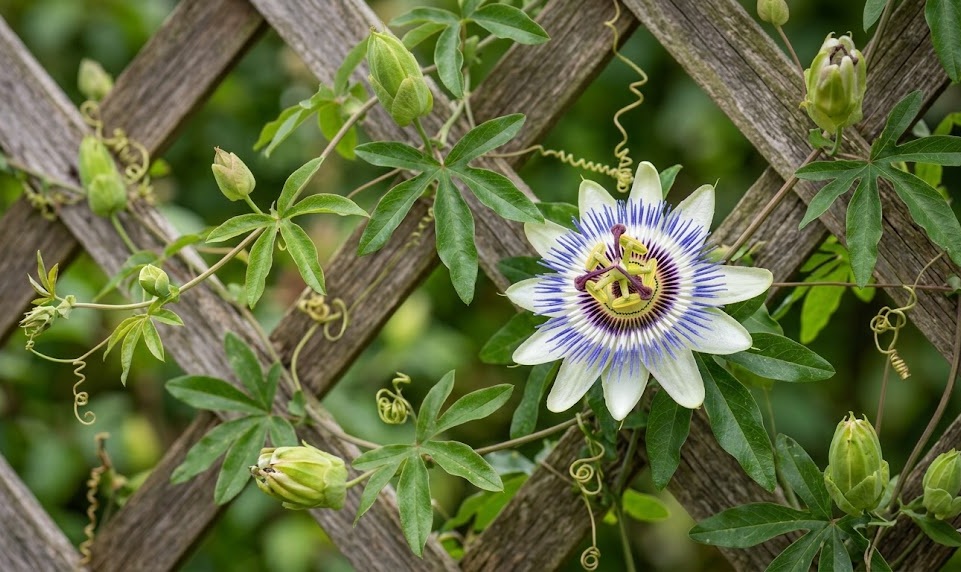
Finally, remember that pruning is as much an art as it is a science, and you will learn more from experience than from any book or guide. Don’t be afraid to make mistakes, as these vigorous plants are usually very forgiving and will quickly grow out of any awkward cuts you might make. Over time, you will develop a sense for how the plant responds to different types of pruning and how to achieve the best results for your specific garden. Your dedication to proper maintenance is what ensures your passionflower vines remain a highlight of your horticultural collection.