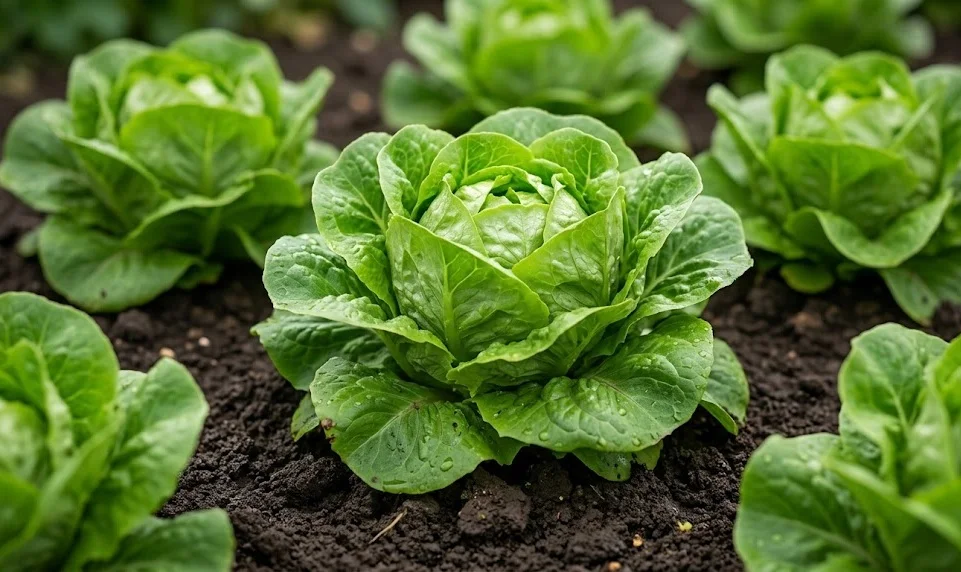

Properly thinning your lettuce seedlings is a vital step that ensures each plant has the space and resources it needs to reach its full potential in your garden. When you sow seeds, it is common to plant them more densely than required to account for any that might not germinate properly at the start. Once the young plants reach about two inches in height, you should identify the strongest individuals and remove the smaller ones around them. This process reduces competition for water, nutrients, and light, leading to much healthier and more productive heads of lettuce.
You should aim for a final spacing that matches the recommendations for the specific variety you are growing, which is usually between six and twelve inches apart. For loose-leaf types, you can keep them a bit closer together, while heading types like romaine or butterhead need more room to expand their large, leafy structures. Use a sharp pair of clean scissors to snip the unwanted seedlings at the soil level rather than pulling them out by the roots. This prevents any accidental damage to the delicate root systems of the plants you have chosen to keep in your garden bed.
The young plants that you remove during the thinning process don’t have to go to waste, as they are essentially “microgreens” and are perfectly edible and delicious. You can add these tender little sprouts to your salads or use them as a beautiful and nutritious garnish for your favorite home-cooked dishes. Thinning then becomes a mini-harvest that provides you with an early taste of the bounty to come later in the season for your kitchen. It’s a rewarding way to manage your garden while enjoying the fruits of your labor right from the beginning.
Failure to thin your lettuce can lead to a crowded and stressed garden where plants are more susceptible to diseases like powdery mildew or various pests. Crowded plants often have poor air circulation around them, which allows moisture to linger on the leaves and creates the perfect environment for fungal spores to thrive. By giving your plants plenty of “elbow room,” you are taking a major step toward preventing problems before they even have a chance to start. A well-spaced garden is always a healthier and more beautiful garden in any setting or climate.
Strategic harvesting techniques
The way you harvest your lettuce can be seen as a form of pruning that can actually extend the productive life of the plant and increase your overall yield. For many varieties, you can use the “cut and come again” method, where you only take the older, outer leaves as they reach a usable size for your meals. By leaving the central growing point intact, you allow the plant to continue producing new leaves from the heart for several weeks or even months. This technique is especially effective for loose-leaf types and can provide a steady supply of greens for a single person or a small family.
More articles on this topic
When you harvest individual leaves, always use a sharp knife or a pair of garden shears to make clean cuts that will heal quickly and cleanly. Avoid tearing or pulling the leaves, as this can create jagged wounds that are more likely to become infected by pathogens in the environment. You should also be careful not to harvest more than about a third of the plant’s total foliage at any one time for the best results. Leaving enough leaves behind ensures that the plant still has plenty of energy to continue its photosynthesis and growth processes.
If you are growing heading lettuce and want to harvest the entire plant at once, you should cut the stem just above the soil line with a steady hand. Some gardeners prefer to leave the root in the ground, as it can occasionally sprout small, new “satellite” heads that are tender and sweet for a final late-season treat. While these won’t be as large as the original head, they are a wonderful bonus that makes the most of every plant in your garden patch. This practice is a simple way to squeeze just a little bit more value out of your vegetable beds.
Regularly harvesting your lettuce also helps to prevent the plants from becoming overly mature and reaching the point where they begin to turn bitter or bolt. By keeping the plants in a constant state of growth and renewal, you maintain the high quality and delicious flavor that makes homegrown lettuce so special. If you find that you have more lettuce than you can eat at once, consider sharing some with your neighbors or friends to ensure nothing goes to waste. Keeping the garden active and productive is the ultimate goal of every dedicated and professional grower.
Managing growth and bolting
Pruning can also be a useful tool for managing the growth of your lettuce when the weather begins to get too warm and the plants show signs of bolting. Bolting is when the plant suddenly sends up a tall flower stalk, which makes the leaves tough and bitter as the plant shifts its energy toward seed production. While you can’t completely stop this natural process once it has begun, you can sometimes slow it down by pinching off the emerging flower stalk as soon as you see it. This might give you a few extra days of harvest before the quality of the leaves declines too much.
More articles on this topic
Removing any yellowed, damaged, or diseased leaves from the bottom of your lettuce plants is another important form of maintenance pruning that improves overall health. These older leaves often sit on the soil surface, where they can rot or provide a bridge for crawling insects like slugs to reach the rest of the plant. By keeping the lower part of the plant clean and open, you improve the airflow and reduce the chances of soil-borne diseases spreading upward. It also makes your garden look much more professional and well-cared-for throughout the growing season.
As the season comes to an end and you are ready to clear your beds for the next crop, you can cut all the remaining lettuce plants back to the ground. This material can be added to your compost pile, where it will break down and provide valuable nutrients for your garden in the years to come. Make sure you don’t compost any plants that were heavily infested with pests or showed clear signs of viral or fungal diseases to avoid future issues. Cleaning up your beds thoroughly is the final act of care that prepares your garden for its next phase of life.
Reflecting on your pruning and harvesting habits will help you become more in tune with the needs and rhythms of your lettuce plants over time. You will start to notice the subtle signs that a plant is ready to be thinned or that a particular leaf is at its peak of flavor and texture. This deep connection to the natural world is one of the greatest rewards of gardening and is what transforms a simple hobby into a true passion. With a little bit of knowledge and a gentle touch, you can master the art of pruning for a more beautiful and productive garden.