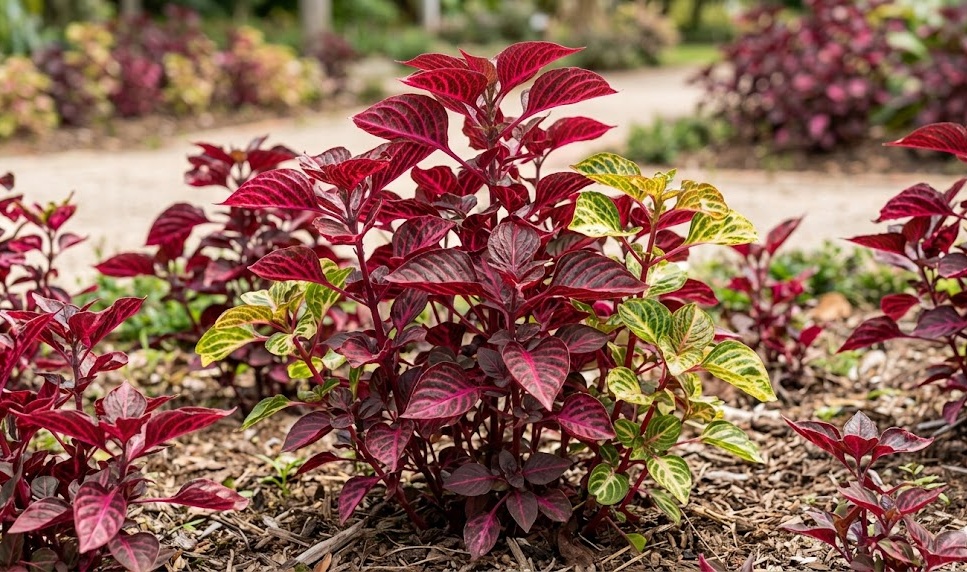

Regular pruning is the secret to transforming a spindly plant into a lush, bushy masterpiece. Because this species grows relatively quickly, it can easily become top-heavy and untidy if left to its own devices. You should view pruning as a form of artistic shaping that also promotes the long-term health of the plant. A well-timed trim encourages new growth and ensures that the plant remains a focal point in your collection.
The physiological response to pruning is quite fascinating and highly beneficial for tropical foliage. When you remove the growing tip of a stem, the plant redirects its energy to the “lateral” buds located lower down. This results in the growth of two or more new stems where there was previously only one. Over time, this repeated branching creates the dense, multi-layered look that is so highly prized.
Safety and cleanliness are paramount whenever you are cutting into the living tissue of a plant. You must ensure that your tools are sharp to prevent crushing the soft, succulent stems of the bloodleaf. A clean cut heals much faster and is far less likely to become a gateway for fungal or bacterial infections. Taking a few minutes to prepare your equipment will save you from potential problems later on.
Timing your pruning sessions according to the plant’s growth cycle will yield the best results. While minor “pinching” can be done at any time, major structural pruning is best performed in the spring. This coincides with the plant’s natural surge in energy, allowing it to recover and produce new growth rapidly. Avoid heavy pruning in the late autumn when the plant is preparing for its winter rest.
Essential pruning tools
A pair of high-quality micro-tip pruning shears is the best tool for managing a delicate plant like the bloodleaf. These small, precise blades allow you to get into tight spaces between leaves without damaging the surrounding tissue. They are perfect for both fine “pinching” and more substantial stem removals. Look for shears with an ergonomic grip to make the task more comfortable for your hands.
More articles on this topic
For very soft, new growth, you can often use your fingernails to “pinch” off the growing tips. This is the most gentle method and allows for very quick adjustments as you notice the plant starting to stretch. However, for older, more fibrous stems, you should always return to using a sharp blade. Using your fingers on tough stems can lead to tearing the skin of the plant, which is undesirable.
Always sterilize your tools with rubbing alcohol or a diluted bleach solution before and after use. This prevents the accidental spread of diseases from one plant to another in your collection. It is a simple step that is often overlooked by beginners but is standard practice for professional gardeners. Keeping your tools clean also prevents the buildup of sticky plant sap that can dull the blades.
Maintaining the sharpness of your tools is essential for making clean, healthy cuts. A dull blade will rag the edges of the stem, creating a larger surface area for moisture loss and infection. You can use a small sharpening stone or a dedicated tool sharpener to keep your blades in top condition. Sharp tools not only benefit the plant but also make the gardening work much more enjoyable and efficient.
Pinching for bushy growth
Pinching is the most basic and effective pruning technique for maintaining a compact shape. You should identify the very tip of a growing stem and remove the top two leaves and the small bud between them. This simple act removes the “apical dominance” and signals the plant to start growing from the nodes below. Doing this regularly will prevent the plant from becoming a single, long “leggy” stem.
More articles on this topic
You can start pinching your bloodleaf as soon as it is a few inches tall and has established several sets of leaves. Don’t be afraid that you are hurting the plant; it will actually respond with more vigor and color. The more often you pinch the tips, the denser the foliage will become over the following weeks. It is a continuous process of refinement that helps you control the ultimate size and density of the specimen.
Consistency is key when using the pinching method to shape your tropical plants. You should make it a habit to check your plants every week for any stems that are starting to grow faster than the others. By removing these “leader” stems, you ensure that the energy is distributed evenly across the entire plant. This results in a balanced, symmetrical look that highlights the beauty of the individual leaves.
If you have a plant that is already quite tall and thin, you can still use pinching to improve its appearance. However, you may need to be a bit more aggressive and cut back further down the stem to encourage lower branching. Once the new branches appear, you can then resume regular pinching of their tips to build up the density. It takes a little more time to “fix” a leggy plant, but the results are well worth the effort.
Remedial cutting techniques
Sometimes a plant becomes so overgrown or damaged that simple pinching is no longer enough. In these cases, you may need to perform a more significant “rejuvenation” pruning. This involves cutting back the main stems by up to half their length to stimulate a total refresh of the foliage. While the plant may look a bit sparse immediately after the cut, it will soon burst with new, healthy growth.
When performing major cuts, always make your incision just above a leaf node at a slight angle. This ensures that the new stems will grow in the right direction and that water will not sit on the cut surface. Avoid leaving long “stubs” of stem above the node, as these will likely die back and may invite rot. Precision in your cutting placement is the mark of a careful and professional gardener.
Removing dead, damaged, or diseased leaves should be an ongoing part of your maintenance routine. These leaves provide no benefit to the plant and can actually drain resources or harbor pests. By clearing away the “clutter,” you improve air circulation and allow more light to reach the healthy parts of the plant. A clean plant is always more resilient and visually appealing than one cluttered with old growth.
After a major pruning session, you should give the plant a little extra care to help it recover. Ensure it has plenty of bright, indirect light and keep the soil consistently moist but not wet. Avoid fertilizing for a week or two to allow the “wounds” to heal before you push for new growth. Within a month, you will be amazed at how much the plant has transformed and improved under your expert care.