
Pruning is one of the most important maintenance tasks for ensuring that your golden bamboo remains healthy, attractive, and manageable over the long term. Unlike many other garden plants, bamboo does not grow back from the point where a culm is cut; instead, the cut stem remains at that height for the rest of its life. This unique growth habit means that your pruning decisions have a lasting impact on the plant’s architecture and overall appearance. By mastering a few professional techniques, you can control the size of your bamboo, enhance its natural beauty, and keep the grove looking its best through every season.
Thinning and cleaning the grove
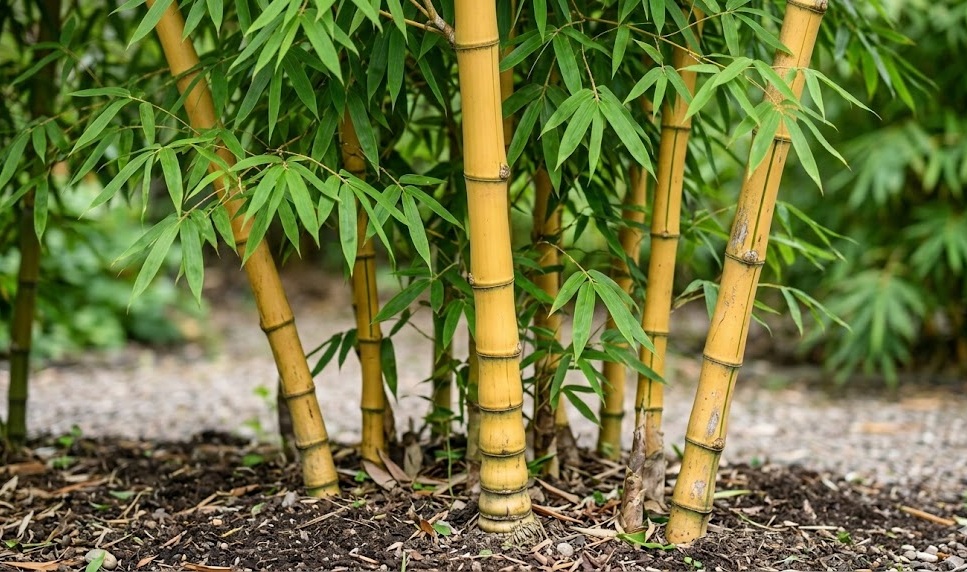
The primary goal of thinning a bamboo grove is to remove old, dead, or crowded culms to make room for new and more vibrant growth. Most individual bamboo stems have a lifespan of about seven to ten years, after which they begin to lose their color and vigor. You should identify these older culms, which often appear greyish or brittle, and cut them off as close to the ground as possible using a sharp saw or loppers. This process rejuvenates the entire plant by directing more energy and resources toward the younger, healthier culms and the developing rhizome system.
In addition to removing old wood, you should also look for culms that are growing too close together or in unwanted directions. Thinning out the center of the clump improves air circulation and allows more sunlight to reach the inner stems, which is vital for preventing fungal issues and promoting good color. A well-thinned bamboo grove should have enough space between the culms that you can see through it, creating a more architectural and elegant look. This “see-through” quality is highly prized in landscape design and makes the bamboo a much more effective focal point.
Cleaning the base of the bamboo is another important part of the pruning process that can significantly improve the plant’s aesthetic appeal. You can remove the small, spindly branches and leaves from the lower third of the culms to showcase their unique colors and textures. This not only looks cleaner but also helps keep the plant healthy by reducing the amount of moisture-trapping foliage near the ground level. Many gardeners find that this simple task makes a dramatic difference in how the bamboo integrates with the rest of the garden’s design.
The best time to perform a major thinning of your golden bamboo is in the late winter or very early spring, before the new shoots begin to emerge. At this time, the plant is dormant, and you can clearly see the structure of the culms without the distraction of new, tender growth. Pruning during this window also ensures that the plant has the entire growing season ahead to recover and fill in any gaps you may have created. Regular annual thinning is much easier and more effective than waiting several years and having to deal with a completely overgrown and tangled mess.
More articles on this topic
Height control and topping
Controlling the height of your golden bamboo is a common requirement, especially if it is being grown in a small space or near power lines and buildings. Topping the bamboo involves cutting the main culm at the desired height, which immediately stops its vertical growth forever. Once a culm is topped, it will begin to produce more dense foliage and side branches below the cut, creating a much fuller and more bushy appearance. This technique is particularly useful for creating a thick, opaque privacy screen that stays within a specific height range.
When topping your bamboo, it is best to make the cut just above a node where a pair of branches emerges, as this helps hide the cut end and looks more natural. You should use a very sharp saw to ensure a clean cut that doesn’t splinter the wood, which could provide an entry point for diseases. Some gardeners prefer to top their bamboo at slightly different heights to create a more layered and organic look rather than a flat, hedge-like top. Experimenting with different heights can lead to a more interesting and dynamic visual result in your landscape.
Keep in mind that topping the bamboo will significantly change its wind resistance and how it handles the weight of snow and rain. A fuller, topped bamboo plant catches more wind like a sail, so you may need to ensure it is well-anchored or protected in very windy areas. On the other hand, removing the tall, top-heavy portions of the culms can actually make the plant more stable and less likely to lean or topple over during a storm. Understanding these physical trade-offs is an important part of making informed pruning decisions for your specific garden conditions.
If you find that a topped culm has become too dense with branches over time, you can selectively prune those side branches to restore some of the plant’s original elegance. This ongoing maintenance ensures that the bamboo doesn’t become a shapeless green mass and remains a structured part of your garden design. Pruning for height is a lifelong commitment for as long as you have the bamboo, as each new crop of shoots will eventually need to be topped if they exceed your desired limit. With a little practice, this becomes a quick and rewarding part of your regular garden routine.
More articles on this topic
Aesthetic shaping and creative pruning
Beyond basic maintenance, pruning can be used as a creative tool to shape your golden bamboo into a living work of art. You can prune the side branches into specific forms or even cloud-prune the foliage to create a more stylized, oriental-inspired look. This level of detail requires more frequent attention but can result in a truly unique and stunning plant that reflects your personal gardening style. Golden bamboo is particularly well-suited to this kind of artistic manipulation because of its flexible stems and dense, evergreen leaves.
Removing the “branch scars” or the protective sheaths that sometimes remain on the culms can also enhance the clean lines of the plant. While these sheaths eventually fall off on their own, removing them manually once they have dried out can speed up the process and reveal the bright color of the wood underneath. This is especially effective on younger culms that are just beginning to show their characteristic golden hues. Small details like this are what separate a well-maintained specimen from a generic garden plant, showing the care and expertise of the gardener.
If you are growing bamboo as a hedge, you can use hedge trimmers to maintain a very formal and squared-off shape. This requires pruning several times during the growing season as the new branches and leaves emerge to keep the lines sharp and clean. While this is a more labor-intensive approach, it creates a very modern and architectural look that works well in contemporary garden designs. Be sure to keep your tools sharp and clean to prevent tearing the leaves, which can lead to unsightly brown edges on the foliage.
Finally, always remember that pruning is a way to communicate with your plant and guide its growth toward your desired goals. Don’t be afraid to make mistakes, as bamboo is incredibly resilient and will always send up new shoots to replace any errors you might make. Each year of pruning will give you more confidence and a better understanding of how your golden bamboo responds to your touch. Your goal should be a plant that looks natural, healthy, and perfectly suited to its place in your beautiful garden landscape.