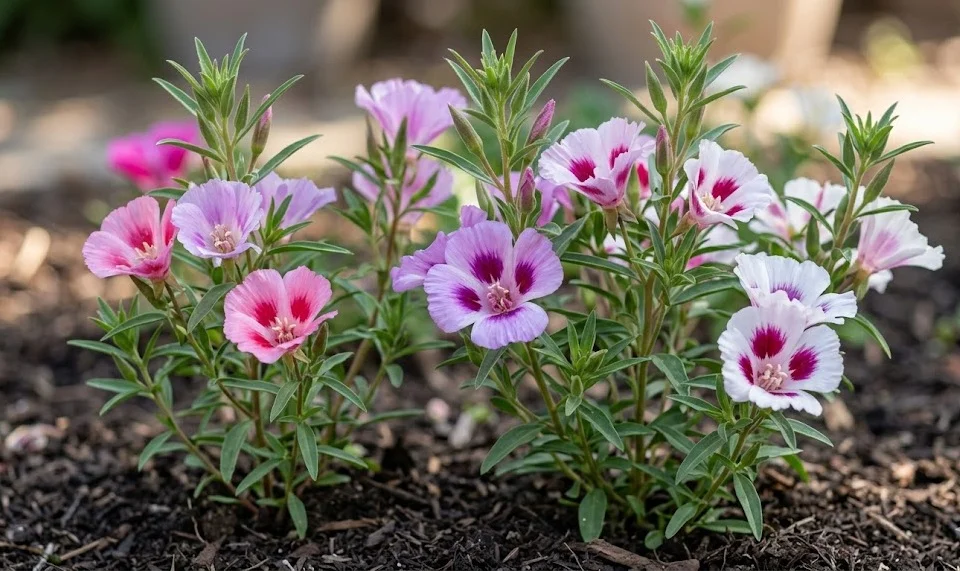

Strategic pruning and cutting back of godetia are essential techniques for maintaining a tidy garden and prolonging the beauty of your floral display. While these annuals do not require the heavy structural pruning that many woody shrubs need, they respond very well to targeted intervention that encourages new growth and prevents premature seed production. By understanding the timing and the methods for these simple tasks, you can ensure that your plants stay healthy and vibrant throughout their entire summer lifecycle. A professional approach to maintenance keeps your garden looking its best from the first bloom to the last.
Deadheading benefits
The practice of removing spent flowers, known as deadheading, is the most important pruning task you will perform for your annuals. You should regularly scan your plants for blossoms that have begun to wilt or lose their vibrant color. By snipping these off at the base of the flower stem, you prevent the plant from putting its energy into seed production. This redirecting of resources often stimulates the plant to produce a whole new flush of buds, extending the colorful season for several weeks.
Deadheading also plays a critical role in maintaining the overall aesthetic of your garden beds. You should find that a plant covered in brown, withered petals looks much less attractive than one that is kept clean and fresh. Removing the old flowers prevents them from becoming a breeding ground for mold or other fungal issues that thrive on decaying plant tissue. A quick walk through the garden every few days with a pair of snips is all it takes to keep everything looking professional and well-cared for.
Understanding where to make the cut is the key to successful deadheading without damaging the rest of the plant. You should follow the stem of the spent flower down to the first set of healthy leaves or the next emerging bud. Making a clean, sharp cut just above this point encourages the plant to branch out and create even more floral sites. Avoid leaving long, unsightly stubs of dead stem, as these can die back and potentially invite disease into the main body of the plant.
For those who want to save seeds for the following year, you should stop deadheading toward the very end of the season. You should allow the final few blooms of the summer to remain on the plant so they can naturally mature and form their seed pods. This balance between extending the bloom and planning for the future is a hallmark of an experienced gardener. Knowing when to stop pruning is just as important as knowing when to start if you want to maintain your favorite varieties over time.
More articles on this topic
Shaping for vigor
Pinching back the young plants early in the season can lead to a much more compact and bushy growth habit. You should use your fingernails or a small pair of scissors to remove the very top growing tip of the plant once it has reached about six inches in height. This temporary setback forces the plant to activate the dormant buds along the stem, resulting in more branches and, eventually, more flowers. A pinched plant is much less likely to become leggy or fall over under the weight of its own blooms.
Thinning out excessive foliage in the center of a dense plant can improve air circulation and light penetration. You should look for areas where the leaves are crowded and might be trapping humidity against the stems. Carefully removing a few of the internal leaves or smaller stems allows the breeze to move freely through the plant and keeps the interior dry. This simple structural adjustment is a great way to prevent the onset of common fungal issues like powdery mildew or botrytis.
Removing any damaged or diseased stems as soon as you see them is a vital part of keeping the whole garden healthy. You should always use clean, sharp tools for this task to ensure that you do not accidentally spread any pathogens between plants. Cutting away a broken branch or a leaf that shows signs of pest damage helps the plant focus its healing energy where it is needed most. This immediate attention to the physical integrity of the plants shows a high level of professional care and vigilance.
Supporting the stems of taller varieties as they grow ensures that they stay upright and beautiful throughout the summer. You should consider providing subtle staking or using surrounding plants for natural support if you want to avoid a “messy” look in your beds. As the plants reach their full size, they can become quite heavy with flowers, especially after a period of rain. Keeping them neatly supported and occasionally trimming back any wild or stray stems maintains a sense of order and design in your garden.
More articles on this topic
Post-bloom cutting back
As the main flowering period begins to wind down, you might notice the plants starting to look a bit tired and overgrown. You should consider a more significant cutting back if you want to encourage a late-season revival or simply tidy up the area. Removing the top third of the plant can sometimes trigger a final burst of new green growth and a few more late-summer blossoms. This more aggressive pruning is best done when the weather is still warm enough to support new development before the autumn chill sets in.
Cleaning up the base of the plants by removing any yellowing or fallen leaves keeps the soil surface healthy and well-aerated. You should clear away any debris that has collected around the stems to prevent it from becoming a damp mat that attracts slugs or snails. This late-season tidying up is a great time to evaluate the overall performance of each variety you have grown. Taking the time to observe which plants stood up best to the summer heat will help you make better decisions for your next garden plan.
If you are dealing with a mass planting that has finished its display, you might choose to cut the whole patch back to the ground. You should only do this once you are sure that the flowering is completely over and you have collected any seeds you might want to save. Removing the spent annuals in this way opens up space in the garden for autumn-flowering species or for the addition of spring bulbs. A clean, empty bed in the late summer is a blank canvas for your next horticultural project.
Reflecting on your pruning and maintenance routine at the end of the year provides valuable lessons for the future. You should consider whether your timing for deadheading or pinching back was effective and how the plants responded to your interventions. Every season offers a new opportunity to refine your skills and understand the unique needs of your garden’s inhabitants. This commitment to continuous improvement is what transforms a simple hobby into a professional-grade expertise in gardening and agriculture.