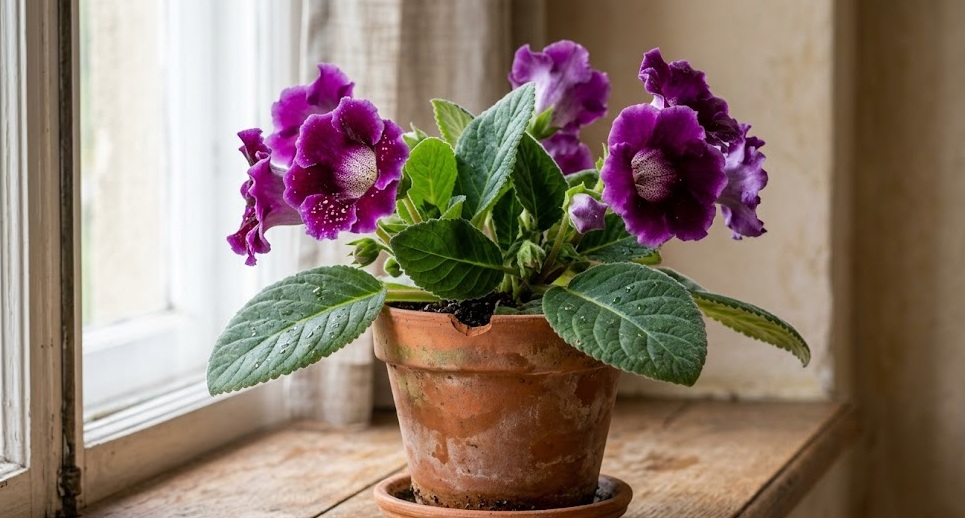

Pruning is a specialized skill that allows a gardener to control the shape, health, and flowering performance of a gloxinia. While these plants do not require extensive wood-cutting like shrubs, strategic removal of tissue is essential for maintaining their aesthetic appeal. A professional approach to pruning focuses on removing unproductive parts of the plant to direct energy toward the most vibrant displays. This practice ensures that the specimen remains tidy and less susceptible to the diseases that often plague neglected plants.
Pruning for health and aesthetics
The most common form of pruning for these plants is the regular removal of dead or dying leaves throughout the growing season. As the plant produces new foliage from the center, the older, lower leaves will naturally age and eventually lose their vigor. Removing these leaves as soon as they start to yellow prevents them from becoming a breeding ground for fungal pathogens. Using a sharp, sterile tool to make a clean cut at the base of the petiole is the professional standard.
Cleaning the plant in this way also improves air circulation around the base of the stems and the surface of the soil. Improved airflow is one of the best ways to prevent the buildup of moisture that leads to the dreaded gray mold. A well-pruned plant looks much more vibrant and healthy, as the viewer’s eye is not distracted by decaying brown tissue. Regular maintenance pruning is a simple task that has a huge impact on the plant’s overall longevity.
Sometimes, a plant may produce an excessive amount of foliage that shades the developing flower buds, preventing them from opening properly. In such cases, thinning out a few of the larger leaves can allow more light to reach the center of the plant. This must be done carefully to avoid ruining the symmetry of the rosette or stressing the plant too much. The goal is always to balance the needs of the foliage with the needs of the upcoming floral display.
If a stem becomes damaged due to an accident or a pest attack, it should be removed immediately to prevent further stress to the plant. A clean cut allows the plant to seal the wound quickly and refocus its energy on healthy growth. Never pull or tear leaves away, as this can create jagged wounds that are much harder for the plant to heal. Professional pruning is always about precision and care for the living tissue.
More articles on this topic
Removing spent blooms and seeds
The practice of removing flowers as soon as they begin to fade is known as deadheading and is essential for a long flowering season. When a flower is left on the plant, it will eventually try to produce seeds, which is an extremely energy-intensive process. By removing the spent bloom, the gardener signals to the plant that its reproductive job is not yet finished, encouraging it to produce more buds. This simple task can extend the blooming period by several weeks.
To deadhead properly, the entire flower stalk should be cut back to the point where it emerges from the leaf axil. Leaving long stubs of dead stems is unsightly and provides another entry point for rot and disease. A professional grower checks their plants daily during the peak of the season to ensure that every faded flower is removed promptly. This constant attention keeps the plant looking its absolute best throughout the entire summer.
If the goal is to collect seeds for propagation, a few choice blooms can be left on the plant to mature. However, it is important to realize that this will significantly reduce the total number of flowers the plant produces for the rest of the year. For most indoor enthusiasts, the visual beauty of the flowers is more important than seed production. A professional approach involves making a clear choice between a long flowering display and a seed-gathering strategy.
Once the entire flowering cycle has finished, removing all the old flower stalks is the final step in seasonal pruning. This tidying up prepares the plant for the natural decline that precedes the dormant period. A clean plant is much easier to monitor for any late-season pests or diseases that might try to take hold. Proper deadheading is a small effort that pays large dividends in the quality of the floral display.
More articles on this topic
Rejuvenation pruning after rest
As the plant wakes up from its winter dormancy, it sometimes produces multiple shoots from different parts of the tuber. To achieve the classic, single-rosette look that is prized in professional competitions, the grower may choose to remove the smaller, weaker shoots. This directs all the tuber’s energy into a single, strong crown that will produce larger and more impressive flowers. This thinning process is best done when the shoots are only a few centimeters tall.
If a plant has become leggy or unattractive due to poor light conditions in the early spring, it can sometimes be “reset” by cutting it back. Removing the elongated stems encourages the plant to start again from the base, hopefully under better lighting conditions. While this will delay the flowering season, the resulting plant will be much stronger and more attractive in the long run. Professionalism involves the courage to make these difficult decisions for the health of the specimen.
Pruning also provides an opportunity to inspect the overall health of the plant at the beginning of the new season. While cutting back the shoots, the grower can check for any signs of softness or rot on the surface of the tuber. Catching these issues early allows for immediate treatment and can save a plant that might otherwise be lost. Every cut is an opportunity for closer observation and better care.
Finally, always remember to sterilize your pruning tools between different plants to prevent the spread of invisible pathogens. A quick wipe with a cloth soaked in rubbing alcohol is sufficient to ensure a clean cut every time. This disciplined approach to hygiene is the hallmark of a professional gardener who values the health of their entire collection. Pruning is not just about aesthetics; it is a fundamental part of a comprehensive plant health program.