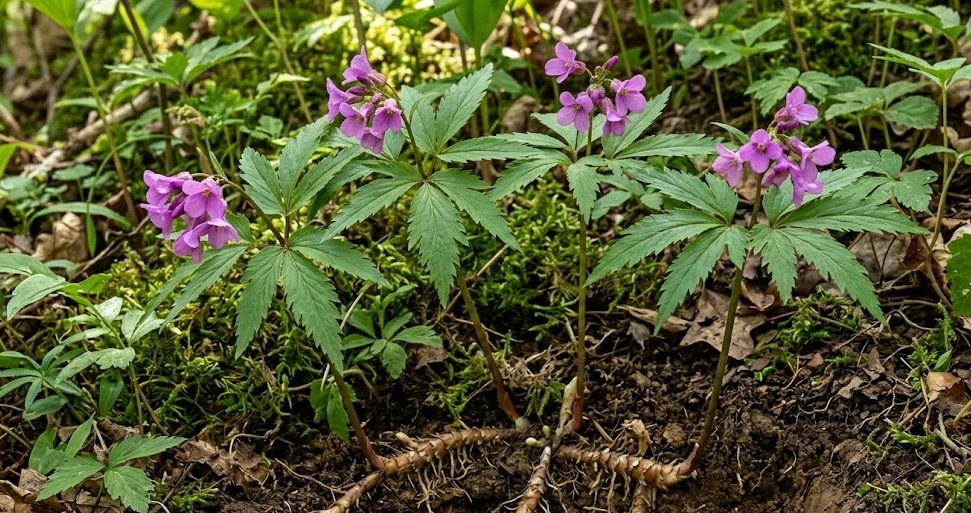

While many garden perennials require extensive pruning to stay healthy and productive, the glandular bittercress is a relatively low-maintenance species. However, professional gardeners know that a few strategic interventions can significantly improve the appearance and health of the colony. Cutting back is not about forcing the plant into a certain shape, but about working with its natural life cycle to prevent disease and encourage vigorous growth. This guide will teach you the professional techniques for maintaining your bittercress with a light and informed touch.
The primary reason for any pruning or cutting back of this species is to manage the transition from its active growing phase to its summer dormancy. Because the plant is a spring ephemeron, its foliage will naturally begin to yellow and wither as the temperatures rise and the summer shade deepens. You might be tempted to cut the leaves off as soon as they start to look untidy, but you must resist this urge. The plant is using that time to pull the last of the nutrients from the leaves back down into the rhizomes for next year’s growth.
You should wait until the foliage is completely yellow or brown and easily detaches from the plant before you consider removing it. At this stage, the leaves have finished their work, and removing them can help improve the look of the garden and reduce the risk of fungal issues. You can gently rake the area with a flexible garden rake or simply pick up the spent leaves by hand. This light cleaning ensures that the planting bed looks neat during the summer months when the bittercress is “invisible.”
Cutting back the spent flower stems is another task that you might choose to perform if you want to prevent the plant from self-seeding. If you want the colony to spread as quickly as possible, you should leave the stems in place so the seeds can ripen and fall to the ground. However, if you are growing the plant in a more formal setting and want to control its spread, removing the stems after the flowers fade is a good practice. This choice depends on your specific goals for your woodland landscape.
Foliage maintenance timing
The timing of your foliage maintenance is the most critical part of this process, and it requires you to be patient and observant. You should look for the shift in color from vibrant green to a pale yellow, which usually happens in late May or early June depending on your climate. This change signals that the plant has completed its photosynthesis for the year and is ready to rest. Removing the leaves before this point can weaken the rhizomes and lead to a smaller display the following spring.
More articles on this topic
If you find the yellowing foliage unsightly in your garden, you can plant “masking” companions like late-emerging ferns or hostas nearby. These plants will grow their large leaves just as the bittercress is fading, naturally hiding the declining foliage from view. This professional design trick allows the bittercress to finish its life cycle undisturbed while keeping your garden looking beautiful. You are essentially using the natural succession of the seasons to do the work for you.
In some cases, the foliage might stay green longer if the spring is particularly cool and moist. You should always follow the lead of the plant rather than a calendar date when deciding when to clean up the beds. Each year will be slightly different, and your professional skill lies in reacting to the specific conditions of the current season. Keeping the leaves until they are truly finished is the best way to ensure the long-term vitality of your bittercress colony.
When you do remove the old leaves, you should be careful not to disturb the soil surface or the shallow rhizomes just beneath it. Using a pair of clean, sharp scissors to cut the stems at ground level is safer than pulling them, which might accidentally dislodge a small plant. This gentle approach protects the integrity of the colony and prevents any unnecessary stress to the dormant rhizomes. A professional gardener always works with precision and care, especially when dealing with delicate forest species.
Controlling spread and size
The glandular bittercress is a creeping perennial that will naturally expand its territory over time through its horizontal rhizomes. In most woodland gardens, this spreading habit is a desired trait, as it creates a beautiful and naturalistic groundcover. However, if the plant begins to move into areas where it is not wanted, you may need to take steps to control its size. Managing the spread is a proactive task that is best done every few years to keep the garden in balance.
More articles on this topic
The most effective way to limit the size of a colony is to physically remove the rhizomes from the edges of the patch. You should do this in the late spring or early autumn when the soil is moist and the rhizomes are easier to lift. Use a small garden trowel or a fork to carefully dig up the encroaching sections, being sure to get the entire root system. These removed pieces can be composted, moved to a different part of the garden, or given away to fellow gardeners.
You can also use physical barriers, such as thin plastic edging buried five to ten centimeters in the soil, to contain the bittercress in a specific area. This is a good solution if you want to grow the plant in a mixed border where it might otherwise overwhelm smaller or less vigorous neighbors. The edging should be hidden beneath the mulch so it doesn’t detract from the natural look of the woodland bed. This professional installation provides long-term control with very little ongoing maintenance.
Regular monitoring of your garden’s boundaries will help you catch any “escaped” plants before they become a problem. You should look for new shoots appearing outside the designated planting area each spring and deal with them promptly. Keeping the bittercress in its place ensures that your garden remains a diverse and well-structured landscape. Professional gardening is often about finding the right balance between the plant’s natural desire to grow and your vision for the space.
Tool hygiene and technique
Whenever you are pruning or cutting back your plants, the quality and cleanliness of your tools are of the utmost importance. You should always use sharp scissors or bypass pruners to ensure clean cuts that heal quickly and don’t invite disease. Dull tools can crush the stems, creating ragged wounds that are much more likely to be infected by fungi or bacteria. Investing in a set of high-quality hand tools is a professional decision that will benefit all your gardening tasks.
Sterilizing your tools between different plants and different parts of the garden is another essential habit to develop. You can use a simple solution of isopropyl alcohol or a specialized garden disinfectant to wipe down your blades. This practice prevents the accidental spread of soil-borne pathogens or viruses from one colony to another. It’s a small step that takes only a moment but can save you a great deal of trouble and heartache in the long run.
Your technique when cutting should be focused on being as gentle as possible to avoid disturbing the rest of the plant. You should always support the stem you are cutting with one hand while using the tool with the other. This prevents any pulling or tugging that might stress the delicate root system of the bittercress. Professional gardeners move through their landscapes with a sense of purpose and a deep respect for the physical life of each individual plant.
After you have finished your pruning and cleanup, you should always take a moment to refresh the mulch around the base of the plants. This covers any bare soil that was exposed during the process and helps maintain the moisture and temperature levels that the dormant rhizomes need. Your final act of care is to leave the area exactly as it should be: clean, protected, and ready for the next phase of its life. Enjoy the satisfaction of a job well done in your professional woodland garden.