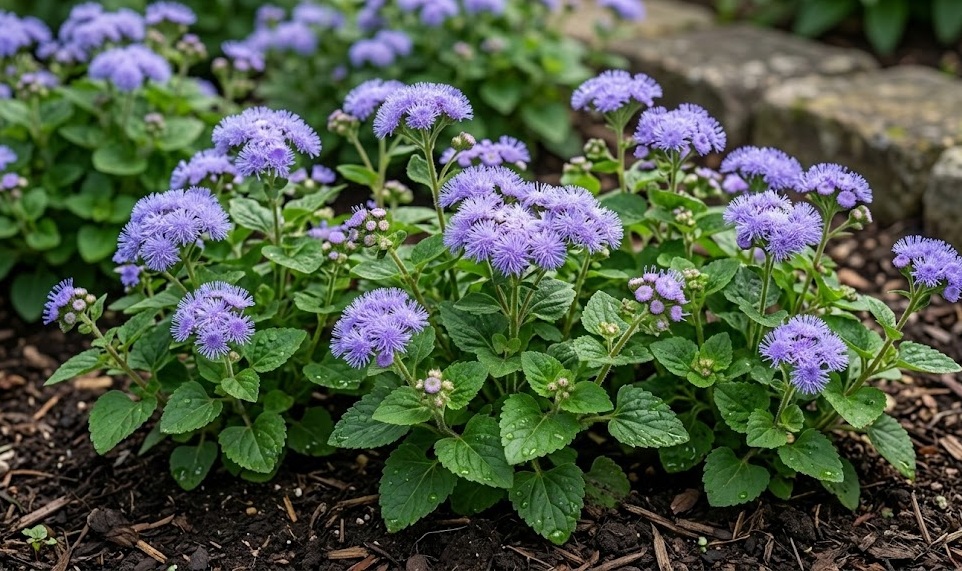

Pruning is a fundamental skill that every professional gardener must master to maintain the shape, health, and productivity of their flossflower collection. Far from being a chore, regular cutting back is an act of rejuvenation that encourages the plant to stay young and vibrant throughout the summer. By removing old or damaged tissue, you clear the way for fresh growth and ensure that the plant’s energy is used as efficiently as possible. A well-pruned garden always looks more polished and intentional, reflecting the care and expertise of the person who tends it.
The most common form of pruning for this species is the regular removal of spent flowers, a process we have already identified as deadheading. This simple task prevents the plant from setting seed, which is its natural biological signal to stop producing new blossoms. By interrupting this cycle, you force the plant to continue pumping out those beautiful, fluffy heads that make it so popular. You should make it a part of your weekly garden routine to walk through with a pair of snips and tidy up any fading blooms.
Beyond simple deadheading, you may occasionally need to perform a more significant “pinch back” during the early stages of the plant’s development. This involves removing the very top of the main stem once the plant has reached about six inches in height. This technique breaks the apical dominance of the main shoot and encourages the plant to branch out from the base, resulting in a much bushier and more robust specimen. It is a professional trick that yields a far more impressive floral display than a single, tall, and thin stem ever could.
Pruning is also an essential tool for managing the physical health of your plants by removing any diseased or insect-damaged parts. If you see a leaf with fungal spots or a stem that has been chewed by a pest, you should cut it off immediately and dispose of it far away from your garden. This prevents the problem from spreading to the healthy parts of the plant and keeps the overall environment much cleaner. Clean, decisive cuts are better for the plant than leaving damaged tissue to slowly decay and attract more trouble.
Techniques for mid-season rejuvenation
By mid-to-late summer, even the most well-cared-for flossflowers can start to look a bit tired or overgrown. This is the perfect time to perform a rejuvenation prune, which involves cutting the entire plant back by about one-third of its total height. While it may seem drastic to remove so much healthy growth, this process stimulates a fresh flush of foliage and flowers that will last until the frost. It is like giving your garden a “second spring” and is a highly effective way to extend the beauty of your landscape.
More articles on this topic
When performing a rejuvenation prune, always use sharp, sterilized tools to ensure that your cuts are clean and don’t introduce any pathogens. Make your cuts just above a leaf node or a place where you can see a new bud starting to form in the axil of the leaf. This directs the plant’s energy exactly where you want it to go, resulting in rapid and organized new growth. After a heavy prune, it is a good idea to provide a bit of liquid fertilizer and a thorough watering to help the plant recover quickly.
Observing the results of your pruning will help you become a more intuitive gardener over time. You will start to notice how the plant responds to different types of cuts and how long it takes for new flowers to appear. Usually, you can expect a fresh round of blooms within two to three weeks of a major cut-back, depending on the weather conditions. This predictability allows you to time your pruning so that your garden is at its absolute peak for special events or peak summer viewing.
If you have different varieties of flossflower, you might find that some respond better to heavy pruning than others. The dwarf varieties often need very little intervention beyond basic deadheading to stay compact and tidy. The taller, cutting-flower types, however, can become quite messy if they are not regularly shaped and supported through pruning. Experience is the best teacher, so don’t be afraid to experiment with different levels of cutting back to see what works best for your specific plants and style.
Maintaining structural integrity and aesthetics
Pruning is not just about health and flowers; it is also an art form used to manage the aesthetics and structure of your garden beds. You can use your snips to “sculpt” the plants, ensuring that they don’t grow over their neighbors or block the view of smaller plants in the front. This level of control allows you to maintain the clean lines and clear boundaries that are characteristic of a professional garden design. It turns a wild collection of plants into a cohesive and visually pleasing living tapestry.
More articles on this topic
For taller varieties of flossflower, pruning can also help reduce the need for heavy staking by keeping the center of gravity lower. By thinning out some of the inner branches, you also allow more light and air to reach the center of the plant, which keeps the lower leaves healthy. This structural maintenance ensures that the plant remains upright and attractive even during summer storms or heavy winds. A well-maintained plant is naturally more resilient to the physical challenges of the outdoor environment.
In the late autumn, as the season finally comes to an end, your final pruning task is to clear away the remains of the plants. If you are not planning to overwinter them, you should cut the stems down to the ground and remove all the debris from the garden bed. This sanitation step is vital for preventing pests and diseases from hiding in the dead material over the winter. If you are overwintering, refer back to the specific guidelines for preparing the plants for their indoor stay.
Finally, always remember that pruning is a conversation between you and your plants. By paying close attention to how they grow and where they produce their best flowers, you learn how to guide them toward their highest potential. It is one of the most hands-on and rewarding aspects of gardening, providing a tangible connection to the life cycles of your flossflowers. With a pair of sharp snips and a bit of professional knowledge, you can keep your garden looking spectacular from the first bloom to the very last.