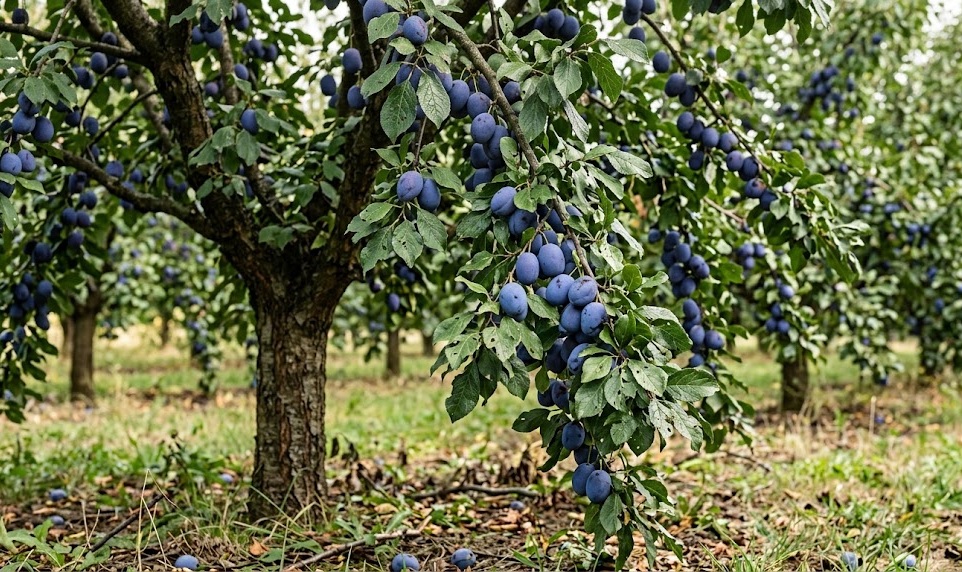

Pruning is perhaps the most technical and rewarding task in the care of a plum tree. It is a process of guiding the tree’s growth to ensure structural strength, health, and a consistent supply of high-quality fruit. A well-pruned tree is not only more productive but also easier to manage and less prone to disease. This article provides a professional guide to the timing, techniques, and goals of pruning the common plum tree.
Goals and timing of professional pruning
The primary goal of pruning a plum tree is to create a strong framework that can support the weight of a heavy fruit crop without breaking. In the early years of the tree’s life, the focus is on “formative” pruning, which establishes the basic shape and branch structure. As the tree matures, the focus shifts to “maintenance” pruning, which involves removing old wood to make room for new, productive growth. Pruning also improves air circulation and light penetration, which are vital for preventing disease and improving fruit quality.
Timing is critical when pruning plum trees, as they are particularly susceptible to certain diseases like silver leaf and bacterial canker. Unlike many other fruit trees that are pruned in the winter, plums are often best pruned in the mid-summer or late spring. During these periods, the tree is actively growing and can heal the pruning wounds much more quickly. Furthermore, the drier air of summer reduces the risk of fungal spores entering the fresh cuts and causing infection.
If you must prune during the dormant season, it is best to wait until late winter or early spring just before the buds begin to break. Avoid pruning in the late autumn or early winter, as the wounds will remain open and vulnerable for many months. Always choose a clear, dry day for your pruning work to further minimize the risk of disease. Understanding the relationship between the tree’s lifecycle and the timing of your cuts is a fundamental skill for any orchardist.
Before you begin, take a moment to step back and look at the tree from several different angles. Identify the “three Ds”: dead, diseased, and damaged wood, which should always be your first priority for removal. Once these are gone, you can focus on thinning out crowded areas and shaping the canopy to your desired form. Having a clear plan in mind before you make the first cut will lead to much better results for the tree.
More articles on this topic
Formative pruning for young trees
Formative pruning begins at the time of planting and continues for the first three to four years of the tree’s life. The objective is to encourage the development of three to five well-spaced “scaffold” branches that grow outward from the main trunk. These branches should be positioned at different heights and face in different directions to create a balanced canopy. If the tree is a simple “maiden” whip, it is often topped at about three feet to stimulate the growth of these side branches.
The angle at which the branches join the trunk, known as the “crotch angle,” is a key factor in the tree’s structural strength. Ideally, you want branches that grow out at a 45 to 60-degree angle, as these are much stronger than branches with narrow, upright angles. Narrow angles are prone to splitting under the weight of fruit or snow because they often develop “included bark.” You can use specialized spreaders or weights to gently guide young branches into a more desirable wide angle.
In the second and third years, you should lightly prune the scaffold branches to encourage secondary branching and the development of fruiting spurs. Avoid over-pruning young trees, as this can delay the onset of fruiting and stimulate excessive vegetative growth. The goal is to build a solid foundation while allowing the tree to reach a size where it can begin to produce fruit. Each cut you make during this stage will influence the shape and productivity of the tree for the rest of its life.
Consistent monitoring of the young tree’s growth is essential to ensure it is following the desired path. If one branch is becoming too dominant, it should be headed back to maintain the balance of the canopy. Similarly, if a branch is growing back toward the center of the tree, it should be removed to keep the interior open. Formative pruning is an investment in the future of the orchard, requiring patience and a clear vision of the mature tree.
More articles on this topic
Maintenance and rejuvenation of mature trees
Maintenance pruning for mature plum trees involves a light touch to keep the canopy open and productive. Focus on removing about ten to twenty percent of the old wood each year to stimulate the growth of new fruiting wood. Plum trees fruit on one-year-old wood and on older spurs, so maintaining a balance of different aged branches is important. If the tree becomes too dense, the fruit in the center will not ripen properly and the risk of disease will increase.
Thinning cuts, which remove an entire branch back to its point of origin, are generally preferred over heading cuts for maintenance work. Heading cuts, which simply shorten a branch, often result in a cluster of weak, upright “water sprouts” just below the cut. Thinning cuts open up the canopy and allow light and air to reach the interior without stimulating excessive regrowth. This technique helps maintain the natural shape of the tree and keeps it at a manageable size for harvesting.
Rejuvenation pruning is necessary for old, neglected plum trees that have become overgrown and unproductive. This process should be done gradually over three to four years to avoid shocking the tree and causing a massive flush of vegetative growth. Start by removing the largest, most unproductive branches to open up the center of the canopy to the light. Over the following seasons, you can continue to thin out the old wood and encourage the development of new, healthy fruiting branches.
Proper tool hygiene is especially important when pruning mature trees that may have accumulated various pathogens over the years. Always clean and sharpen your tools between trees to prevent the spread of diseases throughout your orchard. A clean, smooth cut heals much faster than a ragged one made with dull shears. By providing regular, professional care, you can extend the productive life of your plum trees and enjoy their fruit for many years to come.