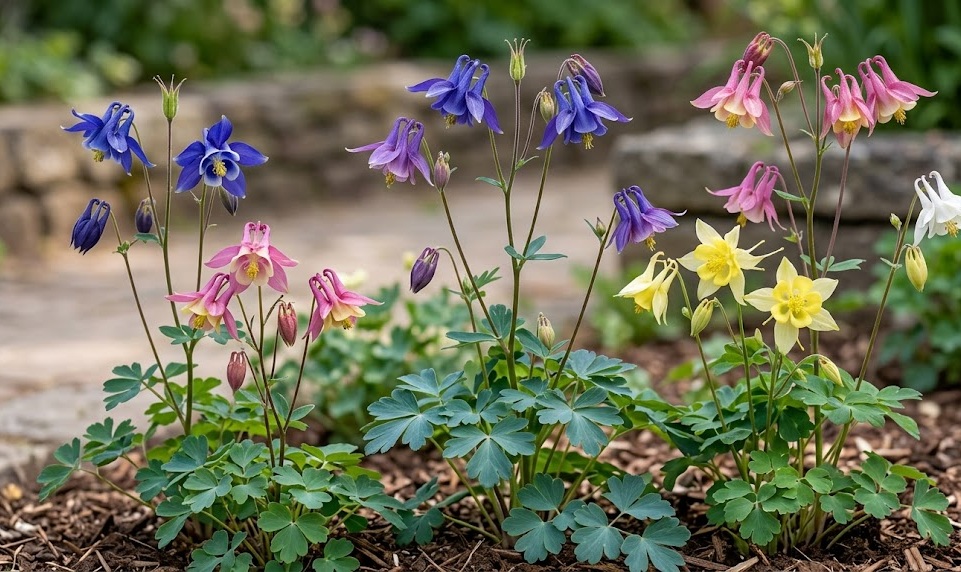

Effective pruning and cutting back are essential techniques for maintaining the structural integrity and aesthetic appeal of columbine throughout the year. While these plants may appear delicate, they respond exceptionally well to targeted interventions that guide their growth and manage their energy. Whether you are aiming to extend the flowering season or prepare the plants for their winter rest, knowing when and how to use your shears is a hallmark of an experienced gardener. This guide details the professional practices required to keep your columbines looking their best from the first sprout to the final frost.
Deadheading for prolonged floral displays
Deadheading is the practice of removing faded flowers before they have the chance to develop into seed pods. For columbines, this is a vital task if you want to maximize the length of the blooming season and keep the plants looking tidy. When the plant is allowed to produce seeds, it redirects a significant amount of its metabolic energy away from flower production. By intervening, you signal the plant to continue producing new buds, often extending the display by several weeks.
To deadhead correctly, you should follow the flower stem down to a point where it meets a set of healthy leaves or a new lateral bud. Use sharp, clean pruning snips to make a clean cut, being careful not to damage the surrounding foliage. It is best to check your plants every few days during the peak of the season to catch the flowers as soon as they begin to wither. This consistent attention ensures that the plant always looks its best and never feels “spent.”
While deadheading is great for aesthetics, you may choose to leave a few spent flowers on the plant toward the end of the season. This allows the plant to produce some seeds if you want it to naturalize and spread in your garden. The unique, upright seed pods of the columbine are also quite attractive and add architectural interest to the late summer garden. Finding a balance between a tidy garden and allowing for natural reproduction is a personal choice for every gardener.
Removing the entire flower stalk once all the buds on that stem have finished blooming is the final step in the summer pruning process. Cutting these stalks back to the basal foliage keeps the plant’s energy focused on maintaining a healthy root system and lush leaves. It also prevents the long, empty stems from flopping over and looking messy among your other perennials. A well-deadheaded columbine patch is a testament to the gardener’s dedication and skill.
More articles on this topic
Managing foliage health and mid summer renewal
As the heat of mid-summer arrives, the foliage of columbine can sometimes begin to look tired, yellow, or damaged by pests like leaf miners. This is a natural response to the stress of higher temperatures and the conclusion of the primary blooming period. Instead of leaving the unsightly leaves in place, you can perform a “rejuvenation prune” to encourage fresh growth. This involves cutting back the most damaged or oldest leaves to allow space for new, healthy ones to emerge from the center.
In cases where the entire plant looks particularly ragged, you can even cut the whole specimen back to within a few inches of the ground. While this might seem drastic, columbines are remarkably resilient and will often send up a fresh flush of beautiful green leaves within a few weeks. This new growth is usually much more resistant to the powdery mildew that plagues older foliage in late summer. Providing a bit of extra water and a light feeding after such a heavy prune will help the plant recover quickly.
It is important to use sterilized tools when pruning to avoid spreading any latent fungal spores or bacterial issues between plants. A simple wipe with rubbing alcohol between each specimen is a professional standard that prevents many common garden headaches. Clean cuts also heal much faster and are less likely to become entry points for pests. Your goal is always to support the plant’s health while improving its visual appearance.
By managing the foliage throughout the summer, you also improve the air circulation around the crown of the plant. This is one of the most effective ways to prevent the buildup of humidity that leads to foliar diseases. A tidy plant with well-spaced leaves is far more likely to stay healthy than one that is allowed to become a dense, matted mess. Consistent maintenance is the key to a successful long-term perennial display.
More articles on this topic
Final cut back and winter preparation
As the growing season comes to an end and the first hard frosts arrive, the columbine will naturally begin to shut down for the winter. The foliage will turn brown and lose its structural integrity, eventually collapsing onto the soil. At this point, it is best to perform a final cleanup by cutting all the remaining stems and leaves back to the ground level. This removes any potential hiding spots for overwintering pests and creates a clean slate for the following spring.
Be careful not to cut too deeply into the crown itself, as this is where the buds for next year’s growth are already being formed. You want to leave just enough of a stub—about an inch—to protect these sensitive areas while removing the bulk of the dead material. This final prune is an excellent time to inspect the health of the crown and check for any signs of rot or physical damage. Ensuring a clean and healthy base is the best way to guarantee a strong return in the spring.
After the final cut-back, clearing away all the trimmings is essential for proper garden hygiene. Do not leave the old foliage sitting on top of the plants, as it can trap moisture and cause the crowns to rot during the winter. If the plants were healthy throughout the year, the trimmings can be composted, but if they had pests or diseases, they should be disposed of in the trash. A clean garden in the autumn leads to a much easier start in the spring.
Finally, remember that pruning is an ongoing conversation between the gardener and the plant. Every cut you make should have a purpose, whether it is for health, beauty, or reproduction. Over time, you will develop an intuitive sense for how much and how often your specific columbines need to be trimmed. This hands-on approach is what turns a simple collection of plants into a thriving and professional horticultural display.