
Pruning is a powerful tool in the gardener’s arsenal that can be used to direct growth, encourage blooming, and maintain health. You must approach this task with both a sharp pair of shears and a clear understanding of the plant’s natural growth habits. While it might seem counterintuitive to cut away part of a healthy plant, strategic pruning is essential for a long-lasting and vibrant display. This professional guide will detail the specific techniques and timing needed to master the art of pruning your collection.
The primary goal of pruning in the early part of the season is to maximize the visual impact of the floral display. You should practice deadheading, which is the removal of spent flower spikes before they have a chance to go to seed. This simple act diverts the plant’s energy away from seed production and back into the development of new buds and foliage. It is one of the most effective ways to extend the flowering period and keep your garden looking tidy and well-maintained.
As the season comes to a close, pruning takes on a more protective and restorative role for the plant. You will find that cutting back the old, weathered foliage in the autumn is a key part of preparing for winter dormancy. This removal of debris helps prevent the spread of disease and makes room for the new growth that will emerge in the spring. A clean garden in the autumn is a sign of a professional approach to long-term plant health and aesthetics.
Mastering the different types of pruning requires a bit of practice and observation to see how the plant responds to your cuts. You should always use clean, sharp tools to ensure a smooth cut that heals quickly and does not invite infection. Taking the time to prune correctly is an investment in the future beauty of your garden that will pay off year after year. With these expert tips, you can take full control over the shape and productivity of your magnificent floral spires.
Deadheading for continuous blooms
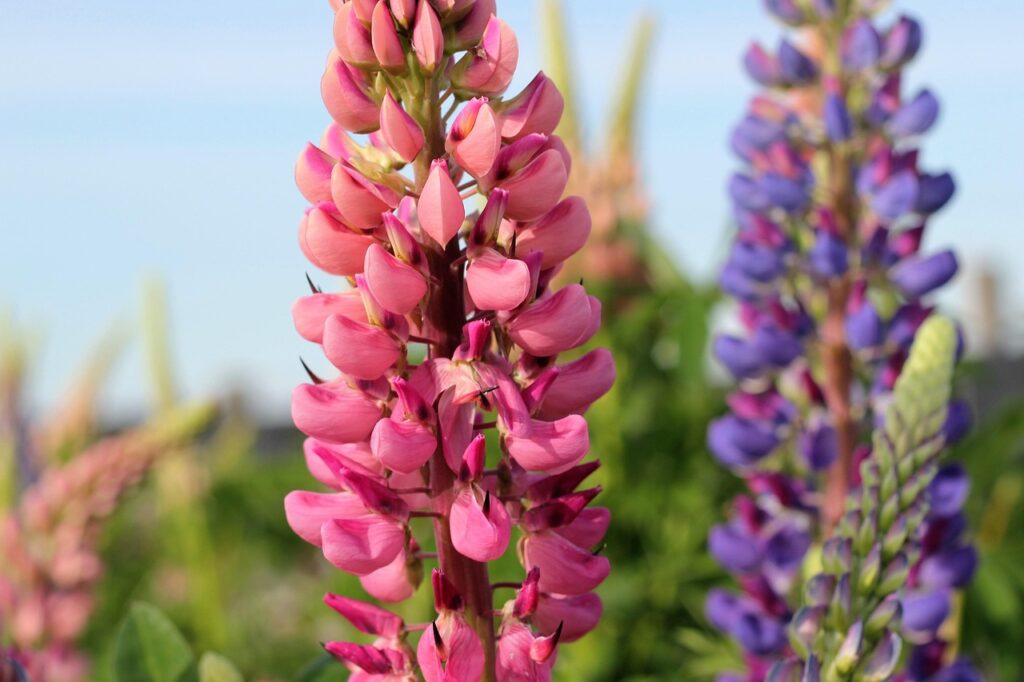
Deadheading is the process of removing the main flower spike once it has finished blooming and the colors start to fade. You should cut the stem back to a point just above a healthy set of leaves or a secondary bud that is waiting to grow. This prevents the plant from putting all its energy into creating seeds, which can be an exhausting process. In many varieties, this simple task will trigger a second flush of flowers later in the summer, giving you even more to enjoy.
More articles on this topic
When you are deadheading, you should be careful not to damage the emerging side shoots that are often found just below the main spike. You will find that these smaller buds will often grow into beautiful, albeit smaller, flowers if they are given enough space and light. Using a small, precise pair of snips is better than using large garden shears for this delicate task. This professional level of care ensures that you are not accidentally cutting away the next round of color.
Regular deadheading also has the added benefit of keeping the garden looking fresh and intentionally managed. You should make a habit of walking through your garden every few days during the peak season to spot and remove any faded spikes. This prevents the “seedy” look that can sometimes take over a garden if it is left to its own devices. It is a rewarding and meditative task that allows you to stay closely connected to the health and progress of your plants.
If you want to collect seeds for future planting, you should leave a few of your best flower spikes to mature at the end of the season. You will notice the green seed pods start to form and eventually turn brown and dry as the seeds ripen. Once the pods are brittle, you can harvest the seeds and store them in a cool, dry place until you are ready to sow them. This selective seed-saving is a great way to preserve your favorite colors and expand your garden for free.
Preparing for winter rest
Autumn pruning is focused on clearing away the year’s growth and preparing the plant for its period of dormancy. You should wait until the foliage has completely yellowed or turned brown before you reach for your pruning shears. This timing ensures that the plant has had a chance to move all its essential nutrients and energy back into the root system. Cutting back too early can deprive the plant of these vital resources and weaken it for the coming winter.
More articles on this topic
Cut the stems back to within two or three inches of the ground, being careful not to nick or damage the crown. You should aim for a clean, uniform look that makes it easy to apply a protective layer of winter mulch. Removing the old foliage also eliminates potential overwintering sites for pests like aphids and slugs. A tidy garden bed in the autumn is much less likely to have problems with these invaders when spring finally arrives.
Dispose of the pruned material carefully, especially if you have noticed any signs of disease during the growing season. You should not put diseased leaves into your home compost, as the heat may not be high enough to kill off all the pathogens. Bagging and removing the debris from your property is the professional standard for maintaining a clean and healthy garden environment. This simple step can prevent a minor issue from becoming a major outbreak next year.
After you have finished pruning, you can take a moment to inspect the crown of each plant for any signs of rot or damage. You should ensure that the soil around the base is firm and that no roots have been exposed by erosion during the summer. This final check is part of a comprehensive maintenance routine that ensures your plants are in the best possible shape for their winter rest. With the garden cleaned and pruned, you can look forward to the return of spring with confidence.
Renovation pruning for old plants
Over time, your perennials may become large, woody, and less productive as they reach the end of their natural life cycle. You should consider renovation pruning as a way to potentially breathe new life into an aging specimen that you want to preserve. This involves a more aggressive cut-back than usual, often involving the removal of some of the older, woodier parts of the crown. While not always successful, it can sometimes stimulate a final burst of vigorous growth and blooming.
Perform this type of pruning in the early spring just as the first signs of life are starting to appear in the center of the plant. You should use a sharp, heavy-duty tool to carefully thin out some of the older tissue and make room for new shoots. This increases the air circulation and light penetration into the heart of the plant, which are both essential for healthy growth. It is a bold move that requires a professional’s confidence and a bit of a “wait and see” attitude.
After a renovation prune, you should provide the plant with some extra care to help it recover from the shock. You should ensure it is well-watered and provide a light application of a balanced organic fertilizer to support the new growth. Monitor the plant closely for any signs of stress and be prepared to provide temporary shade if the new shoots seem to be struggling. This intensive care period is critical for the success of any major pruning intervention.
Finally, you should accept that even with the best care and pruning, these plants are naturally short-lived and will eventually need to be replaced. You will find that having a cycle of young plants coming along is the best way to maintain a consistent and beautiful display. Pruning is a wonderful way to extend the life and beauty of each individual, but it is just one part of a wider garden management strategy. Embracing the natural cycle of the garden is the mark of a truly experienced and professional horticulturalist.