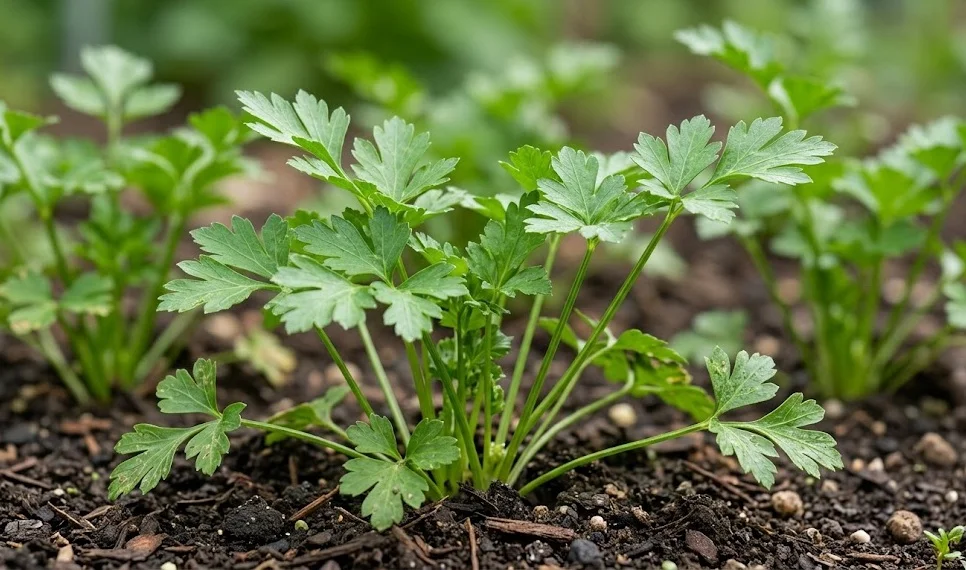

Pruning and cutting back leaf parsley is an essential maintenance task that encourages vigorous growth and keeps the plant productive for a longer period. Many novice gardeners make the mistake of leaving the plant to grow unchecked, which can lead to a sparse habit and less flavorful leaves. Professional pruning techniques focus on stimulating the plant’s natural regenerative abilities while maintaining its structural health. By understanding where and when to make your cuts, you can transform a single parsley plant into a prolific source of fresh herbs.
The most basic form of pruning involves the regular harvesting of the outer leaves, which stimulates the crown to produce new shoots from the center. You should always use sharp, sterilized scissors or garden snips to make clean cuts near the base of the leaf stem. Avoid pulling or tearing the stems, as this can damage the delicate crown and create entry points for disease. By consistently removing the oldest leaves, you ensure that the plant’s energy is directed toward the youngest, most flavorful foliage, maintaining a high-quality harvest throughout the season.
If a parsley plant becomes overgrown or starts to look unkempt, a more aggressive “cutting back” can rejuvenate its appearance and growth. You can safely remove up to half of the total foliage at once, provided the plant is healthy and well-watered. This radical pruning is best done in the early morning when the plant is fully hydrated and less stressed by the sun. After such a significant cut, providing a light dose of liquid fertilizer can help the plant recover quickly and begin the process of rebuilding its leaf mass.
Managing the flower stalks is a specialized form of pruning that becomes necessary in the plant’s second year of growth. Once the parsley begins to “bolt,” it sends up a tall, thick stalk that will eventually produce umbrella-like clusters of small flowers. If you want to continue harvesting leaves, you should cut these stalks off as soon as they appear to prevent the energy from being diverted to seed production. However, once bolting starts, the flavor of the leaves often changes, becoming more bitter and the texture more fibrous, signaling the end of the plant’s primary culinary use.
Finally, pruning also serves a sanitary purpose by removing any yellowing, damaged, or diseased leaves as soon as they are spotted. This “spot pruning” keeps the plant looking its best and, more importantly, improves airflow within the dense foliage. Removing spent or unhealthy material reduces the likelihood of pest infestations and prevents the spread of fungal spores. A well-pruned parsley plant is not only more attractive in the garden but is also significantly more resilient to the environmental challenges it may face during its lifecycle.