
Mastering the art of pruning is essential for maintaining the health and visual impact of these towering garden favorites. To ensure a second flush of blooms and a tidy appearance, you must implement a strategic approach to cutting throughout the growing season. The process involves more than just removing dead flowers; it requires an understanding of how the plant responds to structural changes. By following these professional techniques, you can maximize the performance of your garden display from spring through late autumn.
Initial pruning for better structure
In the early spring, as the new shoots begin to emerge from the soil, you have the opportunity to influence the final shape of the plant. If a clump has too many stems, they will often be thin and weak, competing with each other for space and light. Many professional gardeners choose to thin out the smallest shoots, leaving only the five to seven strongest ones. This practice directs all the plant’s energy into a few high-quality spikes rather than many mediocre ones.
Thinning also significantly improves the air circulation around the base of the plant, which is your best defense against disease. When the stems are too crowded, humidity levels rise, creating a perfect environment for powdery mildew to take hold. By creating a more open structure, you allow the breeze to move through the foliage and keep the leaves dry. This simple act of early-season pruning can save you a lot of trouble with fungal infections later in the summer.
When you are thinning the shoots, try to select ones that are evenly spaced around the crown of the plant. Use a sharp, sterilized knife to cut the unwanted stems as close to the ground as possible without damaging the remaining ones. Be careful not to step on the crown or compact the soil as you work in the garden bed. This initial pruning sets the foundation for a professional-looking display that is both healthy and structurally sound.
Observing the growth habits of your specific variety will help you decide how much thinning is necessary. Some modern dwarf cultivars don’t require much intervention, as they are bred to be naturally compact and sturdy. However, the traditional giant varieties almost always benefit from a bit of structural management in the spring. Taking the time to perform this task will reward you with much larger and more impressive flower spikes in June.
More articles on this topic
Post-flowering maintenance
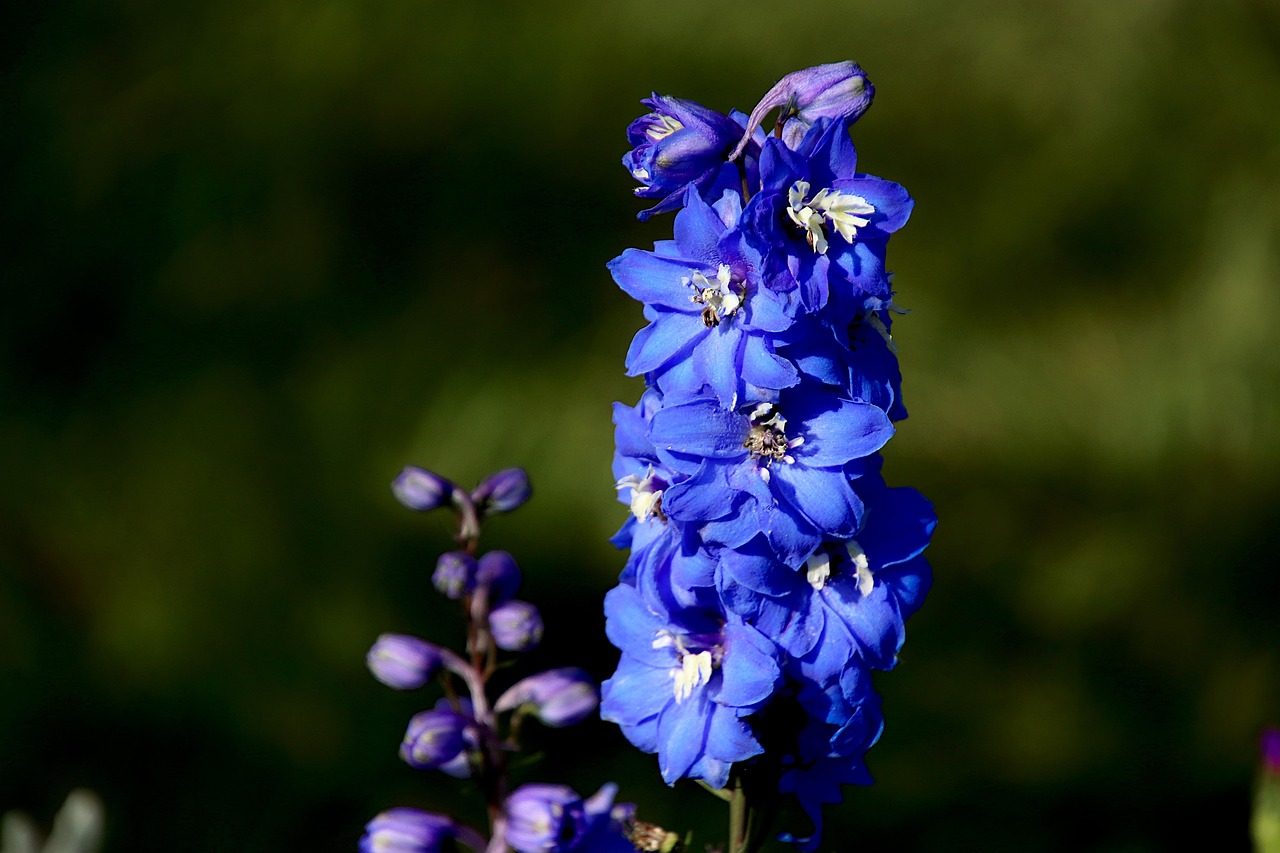
Once the primary flower spikes have finished their spectacular display, it is time for the most important pruning task of the summer. You should cut the spent flower spikes back to the level of the first set of healthy leaves below the blossoms. This process, known as deadheading, prevents the plant from wasting energy on seed production. Instead, the plant is encouraged to produce secondary, smaller flower spikes that will bloom later in the season.
If you want to try for a completely new flush of growth, some gardeners cut the entire plant back to about ten centimeters above the ground after the first flowering. If you do this, it is essential to provide plenty of water and a boost of liquid fertilizer to help the plant recover. In many climates, this “radical” pruning can result in a second full display of flowers in late August or September. This technique requires a bit of courage but can significantly extend the beauty of your garden.
Always use sharp, clean bypass pruners to make your cuts, as ragged edges can attract pests and diseases. A clean, angled cut allows water to run off the wound rather than sitting on top and causing rot. You should also take a moment to remove any yellowing or damaged leaves from the bottom of the plant at this time. Keeping the plant clean and tidy is a hallmark of an expert gardener and helps maintain the overall vigor of the specimen.
If you choose the radical cutback method, keep a close eye on the weather and the moisture level of the soil. The plant is very vulnerable during this recovery phase and cannot handle being dried out or stressed by extreme heat. Providing a light afternoon shade can also help the new shoots emerge without being scorched by the sun. With a little extra care, your garden can remain vibrant long after the first summer blooms have faded.
More articles on this topic
Seasonal cleanup and thinning
As the growing season comes to an end in the late autumn, your pruning tasks shift toward preparing the plant for winter. Once the foliage has turned completely brown and the plant has entered dormancy, you should cut all the stems back to the ground. This final cleanup removes the old material where pests and disease spores might try to overwinter. A clean garden bed in the fall means fewer problems to deal with when the spring arrives.
In addition to removing the stems, you should clear away any fallen leaves or mulch that has become matted and wet. This “winterizing” pruning is just as much about hygiene as it is about aesthetics. You can add the healthy plant debris to your compost pile, but anything showing signs of disease should be disposed of in the trash. Maintaining this level of cleanliness is one of the most effective ways to build a healthy garden ecosystem over many years.
During the late winter or very early spring, you can perform a final check of the crown before the new growth begins. If you notice any dead or woody parts in the center of an old clump, you can carefully prune them out. This “thinning of the crown” can help rejuvenate an aging plant and encourage it to produce more vigorous shoots. It is a delicate task that requires a steady hand and a sharp garden knife.
Proper pruning is a skill that improves with every season as you learn how your plants respond to different techniques. Don’t be afraid to experiment a little to see what works best in your specific climate and soil conditions. By combining these pruning practices with good watering and feeding, you will become a master of growing these magnificent perennials. Your garden will be a testament to your hard work and professional attention to detail.