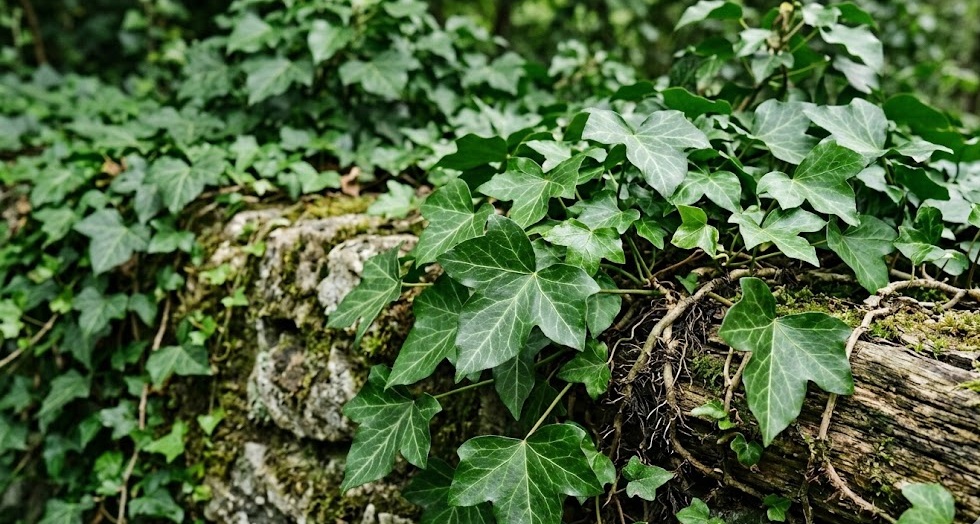

Regular pruning and cutting back are essential maintenance tasks that keep your ivy under control and promote its long-term health. You must approach this task with a clear plan to maintain the desired shape and density of the plant while preventing it from becoming invasive. Professional pruning techniques not only improve the appearance of the ivy but also reduce the risk of pests and diseases by improving air circulation. A well-pruned ivy plant is a manageable and beautiful addition to any garden or interior design scheme.
The timing and goals of pruning
The best time to perform significant pruning on your ivy is usually in the early spring, just before the plant enters its most active growth phase. You should use this period to remove any winter damage and to shape the plant according to your landscape goals for the coming year. Pruning at this time allows the plant to recover quickly as the rising temperatures and increasing light levels stimulate new, healthy shoots. You can also do light maintenance trimming throughout the summer to keep the vines from encroaching on unwanted areas.
Setting clear objectives for each pruning session will help you achieve the best results for your specific variety of ivy and its location. You might be pruning to control the size of a vertical climber, to rejuvenate an old and woody ground cover, or to maintain a formal topiary shape. Understanding the primary goal allows you to choose the right tools and techniques for the task at hand. Consistent and purposeful pruning ensures that the ivy remains a structured part of your garden rather than an overwhelming wilderness.
Avoiding heavy pruning in the late autumn is a professional recommendation that protects the plant from potential winter stress. You should realize that new growth stimulated by late-season pruning may not have enough time to harden off before the first hard frost. This soft, tender tissue is very susceptible to cold damage, which can weaken the overall health of the entire plant. It is better to wait until the spring when the plant has the energy and environmental support to produce resilient new foliage.
Safety is an important consideration when you are pruning large or established ivy plants, especially those climbing at significant heights. You should always use sharp, clean tools to ensure clean cuts that heal quickly and do not harbor pathogens. Wearing gloves and eye protection is also recommended, as some people find that the sap of the ivy can cause minor skin irritation. Taking these simple precautions makes the pruning process safer for both you and the plant you are caring for.
More articles on this topic
Techniques for rejuvenation and shaping
Rejuvenating an old and overgrown ivy plant requires a more aggressive approach than simple maintenance trimming. You can cut the entire plant back to a few centimeters above the ground if the stems have become excessively woody and sparse at the base. While this may seem drastic, it encourages the plant to produce a flush of fresh, vibrant new growth from its established root system. This technique is often used by professional landscapers to revitalize neglected garden features and restore their former beauty.
When pruning vertical climbers, you should focus on removing any vines that are growing toward windows, gutters, or sensitive structural elements. You can use a pair of hand pruners or specialized garden shears to carefully detach the vines from the wall before making the cut. It is important to avoid pulling the vines away forcefully, as this can damage the surface of the building or the plant’s aerial roots. A precise and controlled approach ensures that the ivy remains a decorative feature rather than a structural hazard.
Thinning out the interior of a dense ivy canopy is a professional task that significantly improves the health and appearance of the plant. You should remove some of the older, inner stems to allow more light and air to reach the center of the foliage mat. This process reduces the humidity levels within the plant, which is the most effective way to prevent common fungal issues like leaf spot. A thinner but healthier canopy is much more resilient and visually attractive than a solid, unmanaged mass of green.
Maintaining the shape of ivy topiary or formal hedges requires regular and precise clipping throughout the growing season. You should follow the lines of the supporting frame or the desired geometric outline to keep the design looking sharp and professional. Using a template or a guide wire can help you achieve a perfectly symmetrical result for more complex shapes. Frequent light trimming is much more effective than infrequent heavy pruning for maintaining the intricate details of a topiary design.
More articles on this topic
Post-pruning care and waste management
Providing supportive care immediately after a significant pruning session helps the ivy recover and begin the process of regeneration. You should water the plant thoroughly to ensure it has the hydration needed to support the emergence of new growth from the cut stems. Applying a light, balanced fertilizer can also provide the extra nutrients required during this period of rapid metabolic activity. Monitoring the plant for a few weeks after pruning will help you catch any signs of stress or unusual pest activity on the new shoots.
Managing the resulting garden waste from your ivy pruning is a practical task that requires some consideration and effort. You should be aware that ivy stems can sometimes root themselves if they are left on the soil surface, leading to unwanted new plants in your garden. It is best to bag the clippings and dispose of them through your local green waste system or to chop them finely for a well-managed compost pile. Professional gardeners always leave the workspace clean to prevent the accidental spread of any hidden pests or diseases.
Observing how the plant responds to your pruning will provide valuable insights into its growth patterns and overall vigor. You should take note of which areas produce the fastest new growth and how the plant’s shape evolves over the following months. This continuous learning process allows you to refine your pruning techniques and timing for even better results in the future. Every plant is slightly different, and your hands-on experience is the best guide for successful long-term management of your ivy.
The ultimate goal of your pruning efforts is to create a harmonious relationship between the ivy and its surrounding environment. You should strive for a plant that is healthy, productive, and perfectly scaled to its designated space in your landscape. By mastering the art of pruning and cutting back, you transform a potentially invasive vine into a sophisticated and controlled botanical masterpiece. Your dedication to regular maintenance is the key to enjoying the timeless elegance of ivy for many years to come.