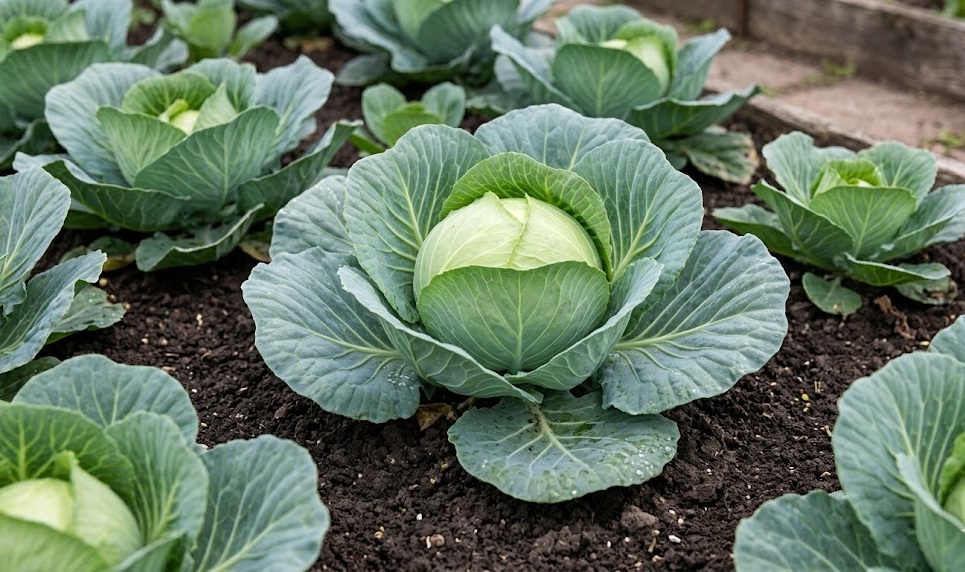

Pruning and cutting back are specialized maintenance tasks that, while not always necessary for every crop, can significantly improve the health and productivity of head cabbage. You must understand that cabbage is primarily grown for its large central head, and any foliage management should be done with the goal of supporting that development. Removing damaged or excess leaves can improve air circulation and direct more of the plant’s energy toward the primary harvestable portion. By adopting professional pruning techniques, you can minimize the risk of disease and ensure a cleaner, higher-quality final product.
Leaf maintenance and hygiene
The primary reason to prune head cabbage is to remove the lower leaves that have become yellowed, damaged, or are touching the soil. You should inspect the base of your plants regularly and use a clean, sharp tool to snip away any foliage that looks unhealthy or is showing signs of rot. These lower leaves are often the first to be attacked by soil-borne pathogens and can serve as a bridge for pests to reach the rest of the plant. Professional hygiene in the garden starts with the removal of these potential problem areas before they can affect the head.
When you remove a leaf, you should make the cut as close to the main stalk as possible without damaging the stem itself. You must be careful not to tear the outer skin of the plant, as this creates an open wound that could invite bacterial or fungal infections. Using a sanitized knife or a pair of garden shears ensures that the cut is clean and will heal quickly in the outdoor environment. An expert gardener knows that every cut is a potential entry point for disease and treats the process with the necessary level of care.
Pruning can also be used to improve the airflow within a dense planting of cabbage, which is essential for preventing the buildup of humidity. You might choose to remove a few of the larger wrapper leaves if they are overcrowding neighboring plants and preventing the soil from drying out. This increased ventilation helps keep the foliage dry and makes the environment less hospitable for common molds and mildews. Professional spacing is often supplemented by these selective pruning measures to maintain a healthy microclimate in the field.
The discarded leaves should be removed from the garden immediately and either composted or destroyed, depending on their health status. You should never leave pruned material lying on the soil around the base of the cabbage, as it will attract slugs and provide a hiding place for harmful insects. Maintaining a tidy garden bed is a hallmark of a professional operation and is one of the simplest ways to prevent many common agricultural problems. Your commitment to cleanliness during the pruning process will pay off in the form of a more resilient and productive cabbage crop.
More articles on this topic
Removing flower stalks and bolting
Bolting is the process where a cabbage plant stops focusing on head development and instead sends up a tall flower stalk to produce seeds. You will notice the center of the head beginning to point upward and elongate, which is a clear signal that the plant’s life cycle is coming to an end. If you see this happening early in the season, you should cut back the developing flower stalk immediately to try and salvage the quality of the head. Professional intervention at this stage can sometimes slow down the bolting process and allow for a quick emergency harvest.
Once a cabbage has fully committed to bolting, the leaves often become bitter and the texture of the head becomes tough and unpalatable. You must understand that this is a natural response to environmental stress, such as extreme heat or a sudden change in the length of the day. While pruning the stalk may provide a temporary fix, the best professional strategy is to prevent bolting through proper variety selection and timing. Expert growers view bolting as a sign that the environmental conditions have become unfavorable for the current crop.
If you are growing cabbage for seed production, you will actually want the plant to bolt and produce its characteristic yellow flowers. In this case, your pruning efforts would be focused on removing any damaged foliage to keep the plant healthy as it focuses its energy on the seeds. You should provide support for the tall flower stalks, as they can become quite heavy and may fall over in strong winds or heavy rain. Professional seed saving requires a completely different approach to pruning than what is used for producing edible heads for the kitchen.
For the average gardener, a bolting cabbage usually means it is time to harvest the plant and clear the spot for a new vegetable. You should learn to recognize the very first signs of elongation in the heart of the cabbage so that you can take action before the flavor is ruined. Sometimes, cutting the head immediately and using it in the kitchen is the only way to avoid a total loss of the crop. A professional is always observant and ready to adapt their plans based on the behavior of the plants in their garden.
More articles on this topic
Tool hygiene and sanitation
The tools you use for pruning and cutting back your cabbage must be kept exceptionally clean to prevent the accidental spread of diseases between plants. You should sanitize your knife or shears with a solution of alcohol or a mild bleach mixture before moving from one plant to the next. This professional practice is especially important if you are working in a field where some plants are showing signs of illness or stress. An expert knows that a dirty tool can be the fastest way to turn a small problem into a widespread disaster in the garden.
Regularly sharpening your pruning tools is also a vital part of professional maintenance, as a dull blade will crush the plant tissue rather than cutting it. A clean, sharp cut heals much faster and is less likely to become a site for rot or infection than a ragged, torn wound. You should take the time at the end of every gardening session to clean, dry, and oil your tools to keep them in peak working condition. This attention to detail is what separates a professional agriculturist from a casual hobbyist in the field.
You should also be mindful of your own hygiene, specifically your hands and gloves, when moving between different areas of the cabbage patch. You can inadvertently carry pathogens or small pests on your clothing or equipment as you work through the rows. Many professional growers use footbaths or hand-sanitizing stations to minimize the risk of cross-contamination in their high-value vegetable crops. Understanding the pathways of disease transmission is a key component of expert-level garden and field management.
Finally, you should always store your pruning tools in a dry, organized place where they are protected from the elements and are easy to find when needed. A professional setup allows you to respond quickly to any issues in the garden without having to search for the right equipment. Your tools are an investment in the health of your cabbage, and caring for them properly is an essential part of being a successful grower. Consistent tool maintenance reflects the overall professionalism and dedication you bring to every aspect of your gardening and agricultural work.