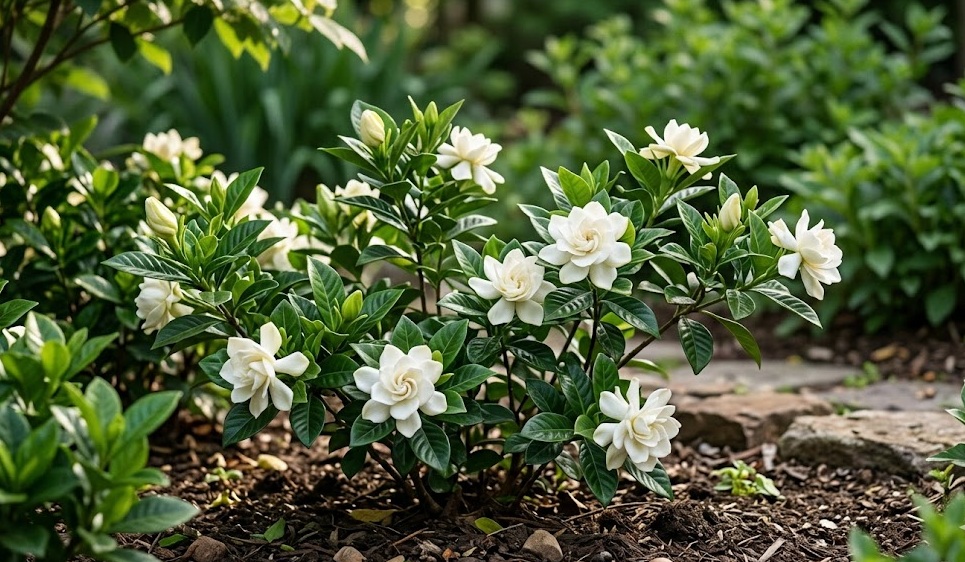

Pruning is an essential maintenance task that not only helps to shape the aesthetic appearance of your gardenia but also plays a vital role in its long-term health and productivity. By strategically removing old wood and spent flowers, you encourage the plant to direct its energy toward fresh, vigorous growth and the production of more fragrant blooms. While many gardeners are hesitant to cut back such a beautiful plant, a professional approach to pruning can prevent the specimen from becoming leggy and sparse. Understanding the timing and technique of pruning is the key to maintaining a lush, compact, and highly floral gardenia for many years.
Determining the best time to prune
The most important rule for pruning gardenias is to always wait until after the main flowering season has finished for the year. Because these plants produce their flower buds on the growth that develops during the previous summer and autumn, pruning too early in the spring will result in cutting off all your potential blooms. Typically, the best window for significant pruning is in the mid-to-late summer, immediately after the last of the fragrant white flowers has faded. This timing gives the plant enough time to produce a fresh flush of growth that will then have time to harden off and set buds before the winter arrives.
If you have a variety that blooms multiple times throughout the year, your pruning strategy should be more conservative and focused on light maintenance rather than heavy cutting. For these repeat bloomers, you can perform small adjustments throughout the growing season to keep the plant’s shape in check and remove any dead or diseased wood as soon as it appears. However, any major structural changes should still be reserved for the period following the heaviest flush of spring flowers. This approach ensures that you always have some growth capable of producing flowers while still managing the overall size of the plant.
Late autumn and winter are the worst times to prune gardenias, as any new growth stimulated by the cutting will be soft and highly vulnerable to freezing temperatures. Furthermore, pruning during the dormant season removes the wood that is already carrying the buds for the following spring, significantly reducing the floral display you can expect. Unless you are removing a broken or diseased branch that poses an immediate threat to the plant’s health, it is best to leave your shears in the shed during the colder months. Patience during the winter pays off with a much more spectacular showing when the warmer weather finally returns.
Understanding your local climate is also a factor in timing, as plants in warmer regions may have a longer growing season and can tolerate a slightly later pruning window. In cooler climates where the first frost arrives early, you must be even more diligent about finishing your pruning by mid-summer to ensure the plant is prepared for the winter. Observing the natural growth cycles of your specific plant will provide the best guidance for when it is ready for its annual “haircut.” By working with the plant’s natural rhythms, you minimize stress and maximize the results of your efforts.
More articles on this topic
Essential tools and cutting techniques
Before you begin any pruning project, it is vital to ensure that your tools are sharp, clean, and in good working order to prevent unnecessary damage to the plant. Using dull shears can crush the stems instead of cutting them cleanly, creating ragged wounds that take much longer to heal and are more susceptible to disease. You should also sterilize your blades with a solution of rubbing alcohol or a mild bleach mixture before you start and between different plants. This simple preventative measure is the best way to avoid spreading fungal or bacterial pathogens from one specimen to another.
When making a cut, you should always aim for a point just above a leaf node or a place where two branches meet, as this is where the plant’s natural growth hormones are most concentrated. A clean, angled cut allows water to run off the wound rather than pooling on top, which further reduces the risk of rot or infection at the site of the cut. Avoid leaving long “stubs” beyond the node, as these will eventually die back and can provide an entry point for pests and pathogens. Precision in your cutting technique ensures that the plant can heal quickly and resume its growth with minimal interruption.
For larger, older gardenias that have become overgrown, you may need to use different tools for different parts of the plant to achieve the best results. Small hand pruners are perfect for the soft, green growth at the tips, while loppers or a small pruning saw may be necessary for the thicker, woody branches at the base. You should always work from the outside in, first removing the “three Ds”: dead, damaged, and diseased wood. This initial cleanup often reveals the natural structure of the plant and makes it easier to see where further shaping is needed to achieve your desired aesthetic.
Thinning out the interior of the plant is just as important as managing its outward height and width to maintain long-term health. By removing some of the older, crossing branches that are deep within the canopy, you improve the light penetration and air circulation throughout the entire plant. This “opening up” of the center makes it much harder for pests like scale and mealybugs to hide and helps the foliage dry faster after rain or watering. A well-pruned gardenia should look balanced and natural, with a structure that supports healthy growth from the inside out.
More articles on this topic
Shaping and training for aesthetics
The way you prune your gardenia can significantly influence its growth habit, allowing you to train it into a compact bush, a formal hedge, or even a small decorative tree. If you want a denser, more rounded plant, you should focus on “pinching” the tips of the new growth during the spring and early summer to encourage more branching. This technique involves simply removing the terminal bud with your fingers or small shears, which signals the plant to activate the dormant buds further down the stem. Over time, this results in a much thicker and more lush canopy that is covered in flowers.
For those who prefer a more formal look, gardenias can be lightly sheared into specific shapes, though you must be careful not to remove too many of the flowering sites in the process. This type of pruning is best suited for hedges where the overall green wall is as important as the individual flowers themselves. When shearing, always keep the base of the plant slightly wider than the top to ensure that the lower leaves still receive enough sunlight to stay healthy and green. A “top-heavy” hedge will eventually lose its bottom foliage, leading to an unsightly and leggy appearance.
If your gardenia has become severely neglected and is now just a collection of long, bare stems with a few leaves at the top, you may need to perform a “rejuvenation prune.” This involves cutting the entire plant back significantly, sometimes to within 30 to 50 centimeters of the ground, to force a complete flush of new growth from the base. While this is a drastic measure that will result in no flowers for at least one season, it is often the only way to save an old, unattractive specimen. This type of heavy pruning should only be done on a healthy plant that is receiving excellent care regarding water and nutrients.
Deadheading, or the removal of spent flowers, is a form of light pruning that you should perform throughout the entire blooming season to keep the plant looking its best. Removing the old flowers before they have a chance to set seed encourages the plant to put its energy back into more growth and the development of the remaining buds. It also prevents the brown, decaying petals from sitting on the healthy leaves, which can sometimes lead to fungal issues in humid weather. This simple daily or weekly task is a relaxing way to stay connected to your gardenia and ensure it remains the star of your garden.