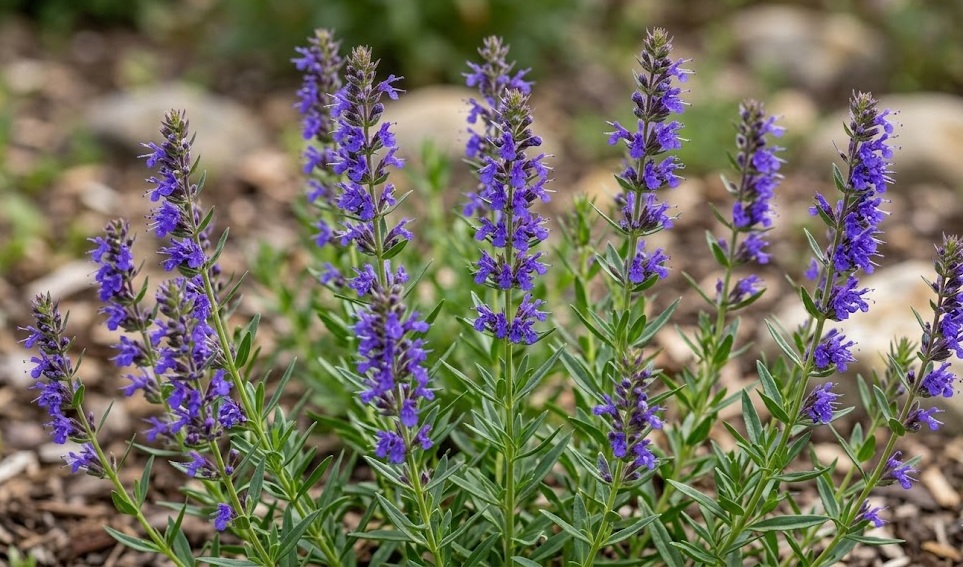

Pruning is a vital horticultural practice that directly influences the health, longevity, and aesthetic form of garden hyssop. As a semi-woody perennial, this herb has a natural tendency to become overgrown and lose its compact, productive shape if left to its own devices. A disciplined approach to cutting back the plant encourages the development of fresh, aromatic growth and prevents the center from becoming dangerously woody. For the professional gardener, pruning is not merely a chore but a strategic tool for managing the plant’s energy and resources throughout the year.
The timing of pruning events must be carefully aligned with the plant’s natural growth cycles to ensure the best results and minimize stress. There are several different types of pruning, ranging from the light removal of spent flowers to a more significant structural rejuvenation. Each type of cut serves a specific purpose, whether it is to improve airflow, encourage more blooms, or prepare the plant for the challenges of winter. Understanding when and how to apply these techniques is what separates an expert grower from a casual enthusiast.
Using the correct tools and maintaining them in top condition is essential for making clean, precise cuts that heal quickly. Crushing or tearing the stems with dull shears can create jagged wounds that are much more susceptible to infection by fungal or bacterial pathogens. A professional toolkit should include sharp bypass pruners for general work and perhaps smaller snips for delicate harvesting or deadheading tasks. Proper sanitation of these tools between plants is also a critical step in preventing the accidental spread of diseases within the herb collection.
Beyond the biological benefits, regular pruning also allows the gardener to shape the hyssop to fit the specific design goals of the landscape. Whether used as a formal low hedge, a focal point in a rock garden, or a component of a wilder pollinator meadow, its form can be managed through careful intervention. A well-pruned hyssop specimen always looks more professional and intentional, reflecting the care and dedication of the person who maintains it. This practice ensures that the herb remains a beautiful and functional part of the garden for its entire lifespan.
Post-bloom deadheading
Deadheading is the process of removing spent flower spikes after they have finished blooming but before they have a chance to set seed. This practice is highly beneficial for hyssop because it redirects the plant’s energy from seed production back into vegetative growth and root maintenance. By preventing the plant from completing its reproductive cycle, you can often encourage a second, albeit smaller, flush of flowers later in the season. This extends the period of visual interest and provides a continuous food source for the bees and butterflies that frequent the garden.
More articles on this topic
To deadhead hyssop correctly, follow the flower stem down to just above the first or second set of healthy leaves and make a clean, angled cut. This method avoids leaving unsightly “stubs” that can die back and become entry points for rot or insects. It also encourages the plant to branch out from the nodes below the cut, leading to a denser and more attractive canopy of foliage. Regular deadheading throughout the summer months keeps the herb looking tidy and prevents it from becoming overly tall and prone to flopping.
If you are growing hyssop for its seeds, you will obviously want to leave some flower spikes in place to mature and turn brown. However, even in this case, selective deadheading can help maintain the overall vigor of the mother plant by reducing the total seed load. The seeds are ready to harvest when the seed heads feel dry and the tiny black seeds are visible inside the husks. For most ornamental and culinary gardens, however, the benefits of constant deadheading far outweigh the desire for self-sowing or seed collection.
During the deadheading process, take the opportunity to inspect the interior of the plant for any signs of pests or diseases that may be hidden by the dense foliage. Removing the old flower stalks improves light penetration and airflow, which is the best natural defense against mildew and other humidity-related issues. This light, ongoing maintenance is much easier and less stressful for the plant than one large, aggressive pruning event later in the year. It is a subtle but effective way to keep your herb garden in peak professional condition all summer long.
Hard pruning for structure
A more significant structural pruning is typically performed in early spring, just as the first signs of new growth begin to appear at the base of the plant. This is the time to remove any winter-damaged stems and to cut back the previous year’s growth by about one-third to one-half of its height. This hard pruning stimulates the emergence of strong, supple new shoots from the older, woody parts of the crown. It prevents the plant from becoming too “leggy” and ensures that the growth remains concentrated near the center for a more robust appearance.
More articles on this topic
Avoid cutting back into the very old, grey wood that no longer has visible buds, as these sections may not be able to regenerate new growth. A safe rule of thumb is to always leave a few inches of the previous year’s green or semi-woody growth to act as a starting point for the new season. If a plant has become excessively woody and sparse over many years, you may need to perform this rejuvenation over two seasons to avoid shocking the herb. This careful, long-term approach to structural management ensures the continued productivity of older hyssop specimens.
Pruning can also be used to maintain a specific size or shape if the hyssop is being used as a border or a low hedge. By consistently cutting back the outward-growing stems, you can encourage a more upright and architectural form that fits perfectly into a formal garden design. This requires a bit more frequent attention than a free-standing plant, but the results are a very professional and polished look. Even in a more naturalistic setting, a bit of structural pruning helps keep the garden looking managed rather than neglected.
The material removed during the spring pruning can often be used for propagation if it is healthy and from the newer parts of the stem. Softwood cuttings taken during this time root very easily and provide a great way to expand your herb collection or share with other gardeners. Always dispose of any diseased or pest-infested material far away from the herb bed or by burning it to prevent the spread of problems. A clean and strategic spring prune is the best way to set the stage for a successful and beautiful growing season.
Tools and sanitation techniques
Investing in high-quality pruning tools is a hallmark of a professional gardener and is essential for the long-term health of your hyssop plants. Bypass pruners, which work like scissors with two curved blades passing each other, are much better for live stems than anvil pruners, which can crush the tissue. The blades should be made of high-carbon or stainless steel to maintain a sharp edge and resist corrosion from the plant’s resinous sap. Keeping your tools clean, dry, and lightly oiled will ensure they last for many years and provide consistent performance in the garden.
Sanitation is perhaps the most overlooked aspect of pruning, but it is critical for preventing the spread of systemic diseases like Verticillium wilt. Between pruning different plants, you should wipe the blades of your shears with a solution of seventy percent isopropyl alcohol or a ten percent bleach solution. This simple step kills any lingering spores or bacteria that could be transferred from an asymptomatic carrier to a healthy specimen. In a professional agricultural setting, this level of hygiene is a standard operating procedure that protects the entire crop investment.
After each use, take a few minutes to remove any sap or plant debris that has accumulated on the blades using a stiff brush or a damp cloth. Hyssop’s volatile oils can be quite sticky and will eventually gum up the mechanism of your pruners if they are not cleaned regularly. A drop of lubricating oil on the pivot point and the spring will keep the action smooth and reduce hand fatigue during long pruning sessions. Sharpening the blades with a diamond stone or a specialized file every few weeks will ensure that every cut you make is as clean as possible.
When working with hyssop, you may also want to wear gloves to protect your hands from the strong aromatic oils and any potential skin irritation. While the scent is pleasant to most, the concentrated oils can be quite potent during a heavy pruning session. Storing your tools in a dedicated bag or a dry shed prevents them from becoming lost or damaged by the elements. By treating your tools with respect, you are also showing respect for the plants you care for and the professional standards of your gardening practice.