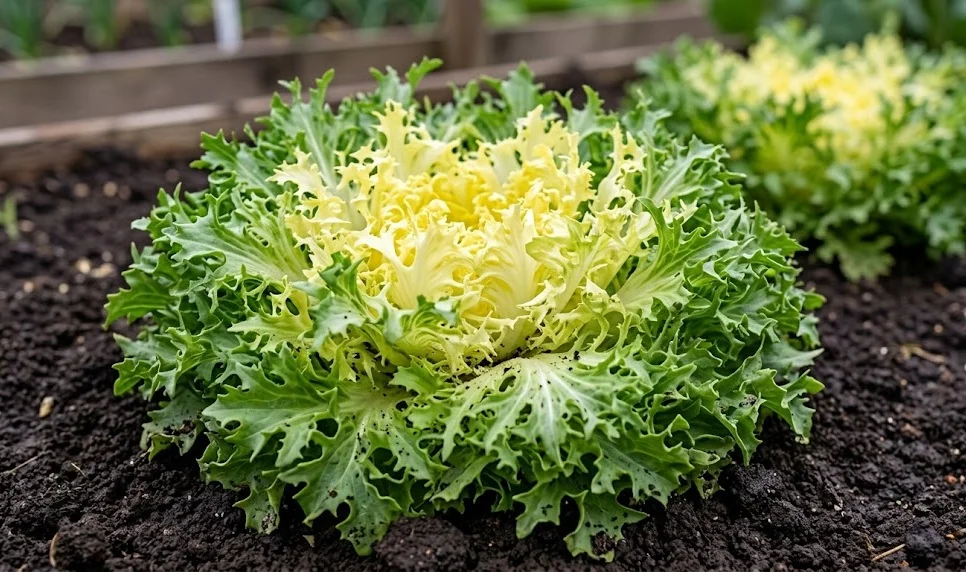

Pruning and cutting back endive lettuce are vital techniques for maintaining plant health, improving airflow, and managing the overall quality of the harvest. Unlike many other garden crops, endive benefits from a more targeted approach to leaf management to prevent the buildup of moisture and the onset of decay. By strategically removing specific parts of the plant at the right time, you can encourage more vigorous growth and extend the productive life of each individual head. Mastering these refined cutting techniques is an essential skill for any grower looking to produce professional-grade greens.
Thinning and maintenance pruning
The first stage of pruning for endive actually begins with thinning the young seedlings to ensure each plant has adequate space to breathe and expand. If the plants are allowed to grow too close together, their leaves will overlap, creating pockets of stagnant air that are prone to fungal infections. By removing the weaker seedlings and leaving only the most robust individuals, you are performing a vital form of early-season pruning. This initial intervention sets the stage for a healthy, well-structured crop that is much easier to manage as it matures.
As the plants grow, you should regularly perform maintenance pruning by removing any yellowing or damaged leaves from the base of the head. These older leaves are no longer contributing much energy to the plant and are often the first place where pests like slugs and snails will hide. Removing them improves the cleanliness of the garden bed and allows for better air circulation around the “crown” of the plant. This simple act of hygiene can prevent many of the most common rot issues that affect leafy greens in damp weather.
During periods of heavy rain or high humidity, you may need to be even more aggressive with your maintenance pruning to keep the plants healthy. If the outer leaves are touching the soil, they can act as a bridge for soil-borne pathogens to enter the main body of the lettuce. Trimming these low-hanging leaves back slightly helps keep the plant elevated and dry, reducing the risk of bacterial soft rot. A sharp, clean pair of garden snips is the best tool for this job, ensuring a clean cut that heals quickly.
Always inspect the center of the plant while you are pruning the outer edges to check for any signs of early bolting or internal rot. If you catch a problem early, you may be able to save the rest of the plant by removing the affected area. This proactive approach to plant health is a key characteristic of professional horticultural management. By staying on top of these small maintenance tasks, you ensure that the plant’s energy is always directed toward producing high-quality, edible foliage.
More articles on this topic
Harvesting by cutting back
Endive is a versatile crop that can be harvested in several ways, including a “cut and come again” method that involves pruning back the outer leaves. Instead of taking the entire head at once, you can selectively cut the largest, most mature leaves from the outside of the plant. As long as you leave the central growing point intact, the plant will continue to produce new leaves from the middle for several weeks. This technique is ideal for home gardeners who want a continuous supply of fresh salad greens over an extended period.
When using this method, it is important to use a very sharp knife to make a clean cut near the base of the leaf stem. Avoid tearing or pulling the leaves, as this can damage the main crown and leave the plant vulnerable to infection. Only take about one-third of the plant’s total leaf area at any one time to ensure it has enough photosynthetic capacity to recover. This balanced approach to pruning allows the plant to stay productive without becoming stressed or exhausted.
For a final harvest, the entire plant is cut back at the soil line, which is the standard practice for producing full heads of endive. If the weather is still favorable, some varieties may even produce a second, smaller crop of “regrowth” from the remaining root system. While these secondary leaves are often smaller and more bitter, they can be a welcome bonus late in the season. Professional growers sometimes use this regrowth for soups or cooked dishes where a stronger flavor is desired.
The timing of these cuts should always be planned for the cool of the morning to ensure the leaves are at their most hydrated. Cutting back a plant in the heat of the afternoon causes it to lose moisture rapidly through the fresh wounds, which can lead to wilting. If you are harvesting a large amount, keep a bucket of cool water nearby to immediately plunge the cut ends into. Proper cutting and post-harvest handling are what preserve the crispness and quality that you have worked so hard to achieve.
More articles on this topic
Managing bolting through strategic pruning
Bolting, or the premature production of a flower stalk, is a common problem with endive, especially during sudden heatwaves or when the days become very long. Once the plant begins to bolt, the leaves quickly become tough, fibrous, and excessively bitter, making them unpalatable for most uses. However, if you catch the very beginning of the bolting process, you can sometimes delay it by pruning out the emerging flower stalk. This temporary fix allows you to get a few more days or even a week of harvestable growth from the plant.
To prune a bolting stalk, use your fingers or a small pair of snips to pinch out the central terminal bud as soon as it begins to elongate. This disrupts the plant’s hormonal balance and forces it to focus its energy back into leaf production for a short time. While this won’t stop the bolting process permanently, it can buy you enough time to finish a blanching cycle or wait for a more convenient harvest day. It is a useful professional trick for managing a crop during an unseasonably warm spell.
If a plant has already bolted significantly, it is usually better to remove the entire plant and compost it to make room for something else. A fully bolted endive is not only poor for eating but can also attract pests like aphids that are drawn to the flowering structures. Furthermore, leaving a bolted plant in the garden can allow it to go to seed, which might lead to unwanted “volunteer” plants in future seasons. Knowing when to stop pruning and simply remove the plant is an important part of efficient garden management.
In some traditional systems, the roots of bolted endive are pruned back and saved for forced growth in the winter, as mentioned in the overwintering section. This shows that even a “failed” summer plant can have a second life if you understand the plant’s full biological potential. By viewing pruning and cutting back as a way to direct the plant’s life cycle, you gain a deeper level of control over your garden. This professional perspective turns a simple task into a strategic tool for year-round agricultural success.