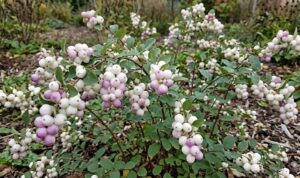
Maintaining the shape and productivity of your flowers through strategic pruning is an essential technique for any advanced gardener. While these plants have a naturally graceful and somewhat wild growth habit, a few well-timed interventions can dramatically improve their appearance and longevity. Pruning is not just about aesthetics; it is a functional tool used to stimulate new growth, increase flower count, and manage the plant’s size. This guide details the professional methods for pruning and cutting back your summer annuals for the best possible results.
Initial pinching for a bushier habit
The first and perhaps most important pruning task occurs when the young plants are only about thirty centimeters tall. By “pinching out” the central growing tip—the very top set of leaves—you break the plant’s apical dominance. This signals the dormant buds lower down the stem to begin growing, resulting in a much bushier and more branched plant. While it might feel counterintuitive to remove the top of a healthy seedling, the long-term rewards are well worth the initial sacrifice.
A pinched plant will produce significantly more flower heads than one allowed to grow as a single tall stalk. These additional branches create a fuller, more substantial presence in the garden bed and provide more stems for cutting. Furthermore, a bushier plant has a lower center of gravity, making it much more resistant to being blown over by strong winds. This simple technique, performed early in the season, sets the foundation for a robust and floriferous specimen.
Timing is key when it comes to this initial pinch; doing it too early can stunt the plant, while doing it too late may not be as effective. Wait until the plant has at least two or three sets of “true” leaves and is growing vigorously before you make the first cut. Use your thumbnail and forefinger to cleanly snap off the soft tip, or use a small pair of clean snips for a more precise job. The plant will recover almost immediately and start showing new lateral growth within a few days.
If you are growing a large number of plants, you can experiment with different levels of pinching to see what works best in your specific climate. Some gardeners prefer a single pinch, while others may pinch the side branches as well to create an even more compact form. This level of control allows you to tailor the shape of the plants to fit perfectly within your overall garden design. Whether you want a towering focal point or a low, flowering hedge, pruning is the tool that makes it possible.
More articles on this topic
Ongoing deadheading and maintenance
Deadheading is the practice of removing spent flowers before they have a chance to develop seeds. This is the most critical ongoing maintenance task for anyone who wants a continuous display of color throughout the entire summer. When a flower is allowed to go to seed, the plant receives a hormonal signal that its reproductive mission is complete, and it will stop producing new buds. By removing the faded blooms, you keep the plant in its “youthful” flowering phase for as long as possible.
To deadhead correctly, do not just pull off the old petals; you must remove the entire flower head and a portion of the stem. Follow the stem down to the first set of leaves or a new bud and make a clean cut just above that point. This encourages the plant to quickly push out a new flowering shoot from that node, keeping the cycle going. Regular deadheading every few days also keeps the garden looking tidy and prevents the accumulation of brown, decaying material.
In mid-summer, you may find that some of your plants have become a bit too tall or “leggy” despite your early efforts. This is a great time for a more aggressive “mid-season haircut,” where you cut the entire plant back by about one-third. While this will temporarily remove some flowers, it stimulates a fresh flush of growth and results in a much tidier plant for the second half of the season. This technique is particularly useful for varieties that tend to get floppy and unkempt in the heat of July.
Always use clean, sharp tools when pruning to ensure that the wounds heal quickly and do not become an entry point for disease. Dull blades can crush the delicate vascular tissue of the stems, making it harder for the plant to transport water and nutrients to the site of new growth. Keep a small sharpening stone and some rubbing alcohol in your garden kit to maintain your tools throughout the day. This attention to detail is the hallmark of a professional approach to garden maintenance.
More articles on this topic
Final cutback and end of season care
As the days grow shorter and the first frosts of autumn approach, your pruning strategy will shift toward preparing for the end of the season. You can stop deadheading in late September if you wish to allow the plant to produce seeds for birds or for your own collection. The plant will naturally begin to yellow and slow down its growth as it puts its final energy into these seeds. This transition marks the end of the active pruning season and the beginning of the autumn cleanup.
Once a hard frost has blackened the foliage, it is time for the final cutback of the year. Using a pair of heavy-duty garden shears, cut all the stems down to within a few centimeters of the ground. This prevents the dead material from blowing around the garden and provides a clean slate for whatever you plan to plant next. If the plants were healthy, the stems can be shredded and added to the compost pile, where they will break down into rich organic matter.
For the perennial varieties that grow from tubers, the final cutback is the first step in the overwintering process described in previous sections. Removing the top growth makes it much easier to see where the tubers are located so you can dig them up without causing damage. Be sure to leave a few inches of stem attached to the tubers to act as a handle and to help you identify the “eyes” where next year’s growth will emerge. This final act of pruning completes the annual cycle and prepares the way for the next generation of flowers.
Reflecting on your pruning efforts at the end of the year can provide valuable insights for the future. You might notice that certain varieties responded better to pinching than others, or that your mid-season cutback was timed perfectly for a spectacular autumn display. Gardening is a constant learning process, and every cut you make is an opportunity to better understand the hidden rhythms of your plants. With a bit of practice and observation, pruning will become one of the most rewarding and effective tools in your horticultural arsenal.