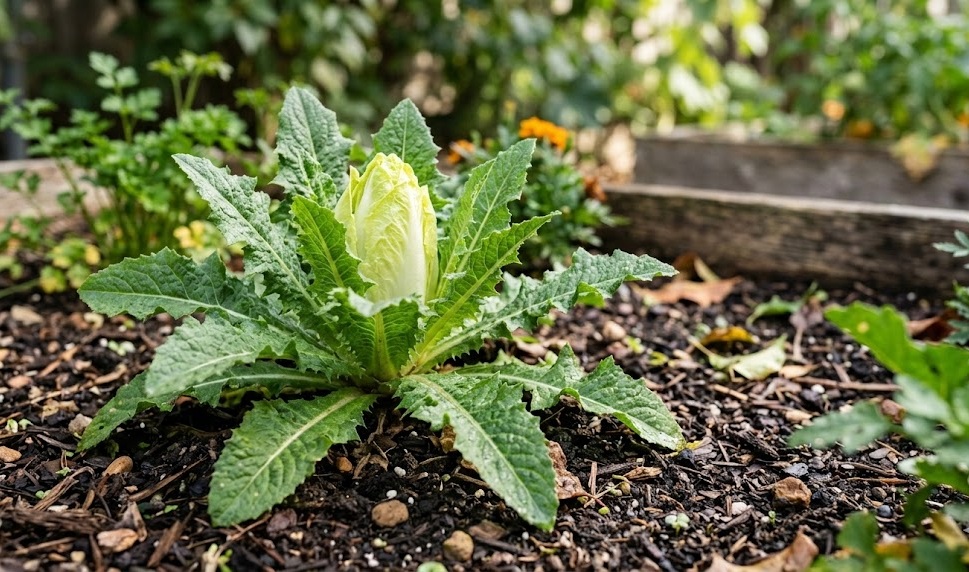

Maintaining the structural integrity and productivity of a chicory crop often involves the strategic use of pruning and cutting back. While not as intensive as with woody perennials, the management of chicory foliage is a professional technique used to stimulate growth and improve harvest quality. A disciplined approach to foliage management ensures that the plant’s energy is directed toward the most valuable parts, whether that be the lush leaves or the sturdy roots. By following established horticultural standards, you can use pruning as a tool to enhance the overall performance of your crop.
Pruning in the context of chicory typically involves the removal of damaged, diseased, or overcrowded leaves to improve air circulation and light penetration. This proactive management helps to prevent the buildup of humidity within the plant canopy, which is a primary driver of many common diseases. Professional growers use sharp, sterilized tools to ensure clean cuts that heal quickly and do not become entry points for pathogens. A professional approach to pruning is always based on a clear understanding of the plant’s current growth stage and future goals.
Cutting back can also be used as a strategy for rejuvenating older plants or preparing them for a specific phase of their life cycle. For example, removing the outer leaves of a mature chicory can encourage the development of a tighter, more tender heart. This technique requires a delicate touch and a knowledge of the plant’s recovery time to avoid causing unnecessary stress. Expert cultivators view every cut as a deliberate intervention designed to improve the health and value of the final product.
The timing of pruning and cutting back is critical to the success of the operation, as the plant must have enough time to recover before the next seasonal shift. Pruning during periods of extreme heat or cold can be counterproductive, as the plant may already be under significant environmental stress. Professional standards dictate that these tasks be performed during periods of moderate weather and active growth when the plant’s metabolic activity is high. By aligning your pruning schedule with the natural rhythms of the garden, you maximize the efficiency and benefits of the work.
Foliage management and structural integrity
Managing the canopy of the chicory plant is essential for ensuring that every leaf has access to the resources it needs for photosynthesis. Overcrowded foliage can lead to self-shading, where the lower leaves are deprived of light and eventually turn yellow and die. Professional pruning involves the selective removal of these excess leaves to maintain an open and vibrant structure. This simple task significantly improves the overall efficiency of the plant and supports a more uniform and high-quality harvest.
More articles on this topic
Improving air circulation within the planting bed is another primary goal of effective foliage management. Still air and high humidity are the perfect conditions for the development of fungal and bacterial pathogens. By thinning the leaves and ensuring that there is space between adjacent plants, a professional grower creates a much less hospitable environment for these threats. This cultural control is a fundamental part of an integrated pest and disease management strategy that reduces the need for chemical interventions.
Mechanical damage to the leaves, whether caused by weather, pests, or garden tools, should be addressed promptly through careful pruning. Damaged tissues are not only less efficient at photosynthesis but also serve as potential sites for infection. A professional approach involves removing these compromised leaves as soon as they are identified to maintain the overall health of the plant. This focus on hygiene and maintenance is a hallmark of an expert horticulturalist who understands the value of a clean and resilient crop.
Pruning can also be used to manage the size and shape of the chicory plants, especially in smaller garden settings where space is limited. By carefully controlling the expansion of the foliage, you can ensure that the plants do not overwhelm their neighbors or exceed their allotted area. This level of control allows for a more organized and productive garden layout where every plant can thrive. A professional gardener views pruning not as a chore but as an essential part of the creative and management process.
Rejuvenation and post-harvest cutting
Cutting back mature chicory can be an effective way to stimulate a second flush of growth, providing a fresh harvest of tender young leaves. This technique involves removing the older, more bitter leaves from the outside of the plant, allowing the inner heart to expand. Professional standards suggest that this be done with care to avoid damaging the central growing point of the plant. When combined with adequate watering and a light application of fertilizer, this rejuvenation can significantly extend the productive life of the crop.
More articles on this topic
In some agricultural systems, chicory is grown as a perennial, and cutting back at the end of the season is a standard part of winter preparation. This involves removing all the foliage down to a few centimeters above the ground once the plants have entered dormancy. This professional practice helps to clean up the garden and reduces the number of hiding spots for overwintering pests. It also prepares the plant for a vigorous and healthy start in the following spring as the new growth emerges from the roots.
Post-harvest pruning is also necessary when chicory roots are being prepared for storage or forcing. After lifting the plants from the soil, the remaining leaves must be removed to prevent moisture loss and rot during the dormant phase. Professional standards involve cutting the foliage back to a specific length, typically about two or three centimeters, to protect the growing tip. This meticulous preparation is essential for maintaining the quality and viability of the roots throughout the winter months.
The recovery of the plants after a significant cutting back should be monitored closely to ensure that they are regrowing as expected. Healthy new leaves should appear within a few days, indicating that the root system is strong and the plant has successfully adapted to the intervention. If the regrowth is slow or discolored, it may be a sign of underlying issues with nutrients, water, or soil health. A professional grower is always ready to adjust their care routine to support the recovery and continued productivity of their chicory.
Strategic pruning for seed production
For those interested in producing their own chicory seeds, pruning plays a specialized role in managing the flowering and seed set process. When the plant begins to “bolt” or send up a flowering stalk, the focus of the pruning shifts toward supporting the development of healthy seeds. This may involve removing some of the lower foliage to allow more energy to be directed toward the reproductive structures. Professional seed savers also prune away any damaged or late-developing flowers to ensure that only the highest-quality seeds are produced.
Managing the height and stability of the flowering stalks is also a concern during the seed production phase. In some cases, the stalks may become too heavy or susceptible to wind damage, requiring careful staking and pruning to keep them upright. Professional standards involve monitoring the progress of the seed heads and providing the necessary support to ensure they reach full maturity. This specialized form of pruning requires a deep understanding of the plant’s reproductive cycle and a commitment to long-term genetic preservation.
Isolation is often necessary when growing chicory for seeds to prevent cross-pollination with other varieties. Pruning can be used as a tool to manage the timing of the flowering or to control the size of the plants within an isolation cage. An expert grower uses these techniques to maintain the purity and quality of their seed stock year after year. This level of precision and planning is what distinguishes a professional seed producer from a casual gardener.
The final stage of seed production involves cutting back the entire plant once the seeds have reached maturity and are ready for harvest. This is typically done by cutting the stalks at the base and hanging them in a cool, dry place to complete the drying process. Professional standards ensure that the seeds are handled with care to avoid loss and that they are stored under optimal conditions for future use. A successful seed harvest is the ultimate completion of the chicory life cycle and a rewarding result of careful pruning and management.