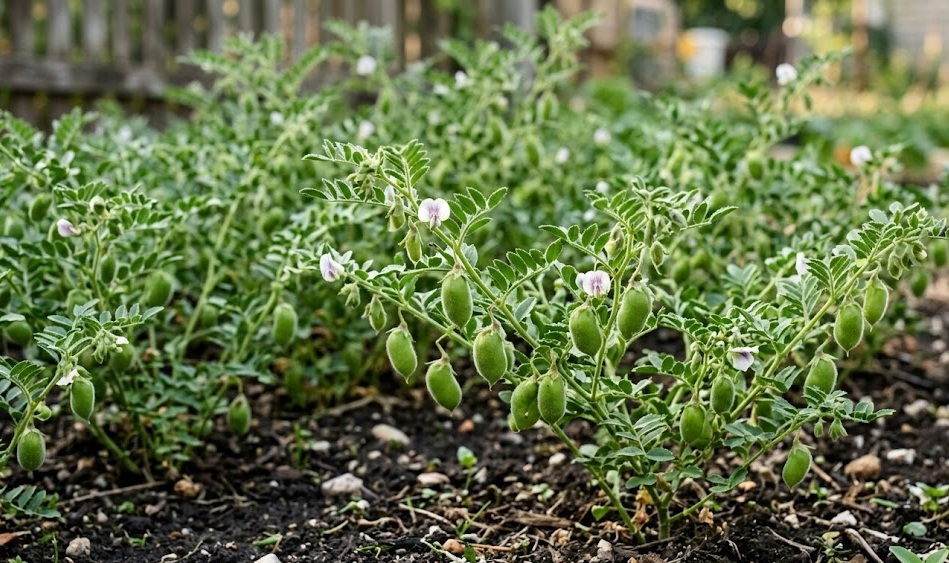

While not a traditional practice for every grower, the strategic pruning and cutting back of chickpea plants can offer significant benefits for yield and structure. You must understand that this is a specialized technique used to manage the growth habit of the plant and encourage more productive branching. Done correctly, it can transform a lanky plant into a bushy, robust producer that is much easier to manage and harvest. Taking a professional and careful approach to these physical interventions is the key to seeing a positive result in the field.
Topping techniques and timing
Topping involves removing the very tip of the main stem once the plant has reached a certain height, usually around fifteen to twenty centimeters. You should perform this task when the plant is still in its active vegetative growth phase and has plenty of energy to recover. By removing the apical bud, you disrupt the plant’s natural hormonal balance and force it to send energy to the lateral buds. This results in a much bushier plant with more branches, which eventually leads to a higher number of flowering sites and pods.
You must use a sharp, clean pair of shears or your fingernails to make a clean break without crushing the delicate stem tissue. A clean cut heals much faster and reduces the risk of introducing pathogens into the vascular system of the plant. Professional growers often top their plants when they notice that the variety they are growing tends to become too tall and unstable. This simple intervention can make the entire field more uniform and resistant to being flattened by the wind or heavy rain.
The timing of this practice is crucial because you don’t want to prune the plants too late in the season when they should be focusing on flowering. If you cut the plants back once they have already started to produce buds, you will likely reduce your overall yield rather than increase it. You should monitor the growth of the crop daily and act as soon as the plants have established a strong enough root system to handle the stress. Experience will teach you exactly when the plants are ready for this type of structural management.
Thinning out and airflow management
Thinning out involves removing some of the smaller, weaker branches or excess foliage from the interior of the plant’s canopy. You should focus on creating an open structure that allows air to move freely through the leaves and around the developing pods. This is particularly important in regions with high humidity where fungal diseases like mold and blight are a constant threat. A professional grower knows that a little bit of “elbow room” inside the plant can prevent a major disease outbreak later in the season.
More articles on this topic
Removing the lower leaves that are touching the soil can also help prevent soil-borne pathogens from splashing up onto the rest of the plant. You want to keep the “skirt” of the plant clean and dry, which also makes it much easier to inspect the base of the stems for any signs of trouble. This type of selective pruning requires a patient and observant eye to ensure you are only removing what is necessary. The goal is to improve the health and efficiency of the plant without stripping away too much of its photosynthetic surface area.
If you find that your plants have become too crowded because of a high planting density, you can also thin the entire stand by removing every third or fourth plant. While it may seem counterproductive to remove healthy plants, it often leads to a higher total yield because the remaining plants can grow to their full potential. You should perform this type of thinning as early as possible to minimize the disturbance to the root systems of the surrounding chickpeas. Proper density management is a hallmark of a professional and high-yielding agricultural operation.
Tool maintenance and hygiene
The tools you use for pruning and cutting back your chickpeas must be kept in excellent condition to ensure the health of your crop. You should sharpen your shears regularly to ensure that every cut is clean and precise, rather than ragged and torn. Ragged wounds take much longer to heal and provide a perfect entry point for bacteria and fungal spores. Maintaining your equipment is not just about efficiency; it is a fundamental part of your professional disease prevention strategy.
Sanitizing your tools between different sections of the field is another critical practice that prevents the accidental spread of pathogens. You can use a simple solution of rubbing alcohol or a mild bleach mixture to kill any invisible microbes that might be clinging to the blades. This is especially important if you suspect that some of your plants might be carrying a virus or a localized fungal infection. A professional gardener treats their tools with the same care as a surgeon, knowing that hygiene is the first line of defense.
More articles on this topic
After you have finished pruning or thinning your crop, you should remove all the discarded plant material from the field and compost it or destroy it. Leaving cut stems and leaves on the ground can attract pests and provide a breeding ground for diseases that could then attack the living plants. Keeping the workspace clean is a sign of a disciplined and professional approach to agricultural management. By following these simple but effective steps, you can use pruning as a powerful tool to enhance the success of your chickpea harvest.