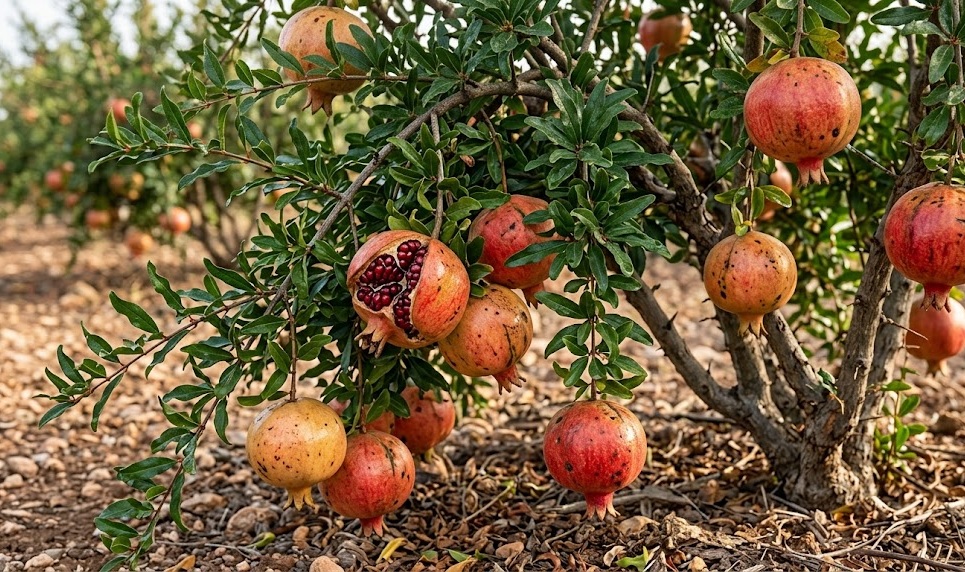

Protecting your pomegranate trees from biological threats is a constant challenge that requires a proactive and informed approach. While these trees are generally considered hardy and resilient, they are susceptible to a specific range of pests and diseases that can damage the fruit and weaken the plant’s structure. You must be able to identify the early symptoms of infestation or infection to prevent a minor issue from becoming a localized epidemic. A healthy tree is your first line of defense, but knowing when and how to intervene is essential for any professional grower.
The key to successful pest and disease management is regular inspection of the foliage, fruit, and bark throughout the growing season. You should look for discoloration on the leaves, unusual spotting on the fruit skin, or signs of boring insects near the base of the trunk. Many issues can be resolved with simple cultural adjustments if they are caught early enough to prevent systemic spread. Maintaining a clean garden environment and removing fallen debris reduces the number of hiding spots for unwanted organisms.
Environmental factors like humidity and poor air circulation often create the perfect conditions for fungal and bacterial pathogens to thrive. You should ensure that your pruning practices allow plenty of light and air to penetrate the center of the tree’s canopy. In regions with high rainfall, you may need to be especially vigilant during the late summer when the fruit is most vulnerable to rot. Understanding the life cycles of common pests allows you to time your treatments for maximum effectiveness while minimizing impact on beneficial insects.
Integrated Pest Management (IPM) is the most sustainable strategy for keeping your pomegranate trees healthy and productive over the long term. This approach prioritizes mechanical and biological controls, such as encouraging predatory insects, before resorting to chemical interventions. You will find that by fostering a diverse ecosystem in your garden, you can often keep pest populations below the threshold where they cause significant economic damage. Being a steward of your garden’s health requires a balanced perspective on the role of all organisms within the environment.
Identifying and managing fungal infections
Fungal diseases are among the most common problems faced by pomegranate growers, particularly those in climates with high humidity or frequent summer rains. Heart rot, caused by various fungal species, can infect the fruit through the blossom end and destroy the interior while the exterior looks perfectly healthy. You should look for premature fruit drop or a slight softening near the crown of the pomegranate as potential indicators of this hidden problem. Removing and destroying any infected fruit is a vital step in preventing the spores from spreading to the rest of the crop.
More articles on this topic
Leaf spot and fruit spot diseases can cause unsightly blemishes that reduce the marketability and aesthetic appeal of your harvest. These infections often appear as small, dark lesions that can expand and merge, leading to premature leaf drop and weakened trees. You can minimize the risk by avoiding overhead irrigation and ensuring that the foliage stays as dry as possible during the evening hours. If the infection becomes severe, you may need to apply a copper-based fungicide according to the manufacturer’s directions during the dormant season or early spring.
Anthracnose is another fungal threat that can affect the twigs, leaves, and fruit of the pomegranate tree, especially during warm and wet weather. It typically presents as sunken, dark spots that may produce pinkish spores under very humid conditions, leading to twig dieback if left untreated. You should prune out and burn any infected branches to remove the source of the infection and improve air movement within the tree. Maintaining proper nutrient levels helps the tree build stronger cell walls that are more resistant to fungal penetration.
Soil-borne fungi, such as those responsible for root rot, are often the result of poor drainage and over-saturated soil conditions. You will notice a general decline in the tree’s vigor, characterized by yellowing leaves and a lack of new growth, as the root system begins to fail. Preventing root rot is much easier than curing it, which is why proper site selection and soil preparation are so critical during the planting phase. If you suspect a soil-borne issue, you must act quickly to improve drainage and reduce watering to allow the roots to recover.
Common insect pests and their control
Aphids are small, soft-bodied insects that often cluster on the undersides of young leaves and the tips of new growth, sucking the sap and weakening the tree. You can identify their presence by the sticky “honeydew” they excrete, which often leads to the growth of black sooty mold on the foliage. A strong stream of water can often knock them off the plant, or you can use insecticidal soap for more stubborn infestations. Encouraging ladybugs and lacewings in your garden provides a natural and effective way to keep aphid populations in check.
More articles on this topic
Scale insects are another common pest that attaches itself to the bark and leaves, appearing as small, immobile bumps that can be difficult to notice at first. These pests can significantly sap the energy of the tree and cause branch dieback if they are allowed to multiply without any intervention. You should prune away heavily infested branches and consider applying horticultural oil during the dormant season to smother the overwintering scales. Regular monitoring of the trunk and main limbs is the best way to catch a scale problem before it becomes a serious threat.
The pomegranate butterfly or fruit borer is a particularly destructive pest in some regions, as the larvae tunnel directly into the developing fruit. You will see small holes on the skin and evidence of “frass” or waste being pushed out of the entry points by the growing caterpillar. Once the larva is inside the fruit, it is protected from most external sprays, making prevention through bagging or pheromone traps essential. Removing any “mummy” fruits that remain on the tree after harvest prevents the pest from overwintering and returning the following year.
Mealybugs often hide in the crevices of the bark or around the fruit clusters, where they produce a white, waxy substance that protects them from the environment. They operate similarly to aphids, sucking the plant’s juices and potentially transmitting viruses between different trees in your orchard. You can treat small outbreaks by dabbing the insects with a cotton swab soaked in rubbing alcohol or using neem oil for larger areas. Maintaining a healthy, stress-free tree is your best long-term defense against mealybugs and other opportunistic insect pests.
Preventive measures and garden hygiene
The most effective way to deal with pests and diseases is to ensure they never get a foothold in your garden or orchard in the first place. You should start with certified disease-free nursery stock to ensure you are not introducing pathogens into your soil from the very beginning. Practicing good hygiene means cleaning your pruning tools with a disinfectant between every tree to prevent the mechanical transfer of bacteria or fungi. This simple professional habit can save an entire grove from the spread of a single infected branch.
Keeping the area under your pomegranate trees clear of fallen fruit, leaves, and other organic debris is a vital part of pest management. Many pathogens and insects use this material as a refuge during the winter, waiting for the warmth of spring to re-emerge and attack the new growth. You should compost this material far away from your fruit trees or dispose of it entirely if you know it is harboring specific diseases. A tidy garden is not just about aesthetics; it is a fundamental part of a sophisticated health management strategy.
Quarantining any new plants before they are introduced into your main growing area allows you to observe them for signs of hidden issues. You will find that a few weeks of isolation can reveal pests or diseases that might have been dormant or too small to see during the initial purchase. This cautious approach is standard practice for professional agriculturalists who understand the high cost of managing a widespread infestation. Vigilance during the early stages of a plant’s integration into your landscape pays dividends in the form of a stable and healthy environment.
Mulching, while beneficial for moisture and weeds, should be managed carefully to ensure it does not become a breeding ground for harmful organisms. You should avoid piling mulch directly against the trunk of the tree, as this creates a dark, moist habitat that invites boring insects and fungal rot. Instead, maintain a clear zone of a few inches around the base to allow the bark to breathe and remain dry. Proper mulch management supports the tree’s health without inadvertently providing a gateway for its enemies.
Biological and organic treatment options
Using biological controls involves enlisting the help of nature’s own predators and parasites to keep pest populations at a manageable level. You can plant a variety of flowering herbs and native plants near your pomegranates to attract beneficial insects like hoverflies and parasitic wasps. These natural allies can often do the work of expensive chemicals with much less effort and no negative impact on the environment. Creating a diverse and balanced ecosystem is a cornerstone of professional and sustainable pomegranate production.
Neem oil is a versatile and organic treatment that can be used to manage a wide range of insect pests and even some fungal infections. It works by disrupting the hormonal systems of the insects, preventing them from feeding or reproducing effectively without harming most beneficial species. You should apply neem oil during the cooler parts of the day and ensure thorough coverage of both the top and bottom of the leaves. Regular applications can act as a repellent, making your trees less attractive to incoming pests throughout the season.
Sulfur and copper-based sprays are traditional organic fungicides that have been used by growers for centuries to manage common pathogens. These treatments are most effective when used as a preventive measure before the disease has a chance to fully establish itself on the tree. You must be careful to follow the specific application rates to avoid phytotoxicity, which can damage the leaves if the concentration is too high. Used correctly, these mineral-based products provide a robust defense against the most persistent fungal threats.
Encouraging birds and bats in your agricultural area can also provide a significant level of pest control, as many of these animals consume large quantities of insects. You might consider installing bird houses or bat boxes to make your property more inviting to these natural hunters. While they may occasionally take a peck at a ripe fruit, the overall benefit they provide in terms of pest reduction is usually much greater. Thinking of your garden as a complete habitat allows you to use biological forces to your advantage every day.
Monitoring and recording for long term health
Developing a consistent monitoring schedule is the only way to stay ahead of the various threats that can affect your pomegranate trees. You should walk through your orchard at least once a week, paying close attention to the details of the leaves, stems, and developing fruit. Carrying a hand lens can help you identify microscopic pests like mites or the early signs of fungal spores that might be missed by the naked eye. This level of professional dedication ensures that no problem goes unnoticed for long enough to cause serious damage.
Keeping a garden journal where you record the appearance of pests and the effectiveness of different treatments is an invaluable practice. You will start to see patterns over time, such as specific pests arriving during certain weather events or at a particular point in the tree’s growth cycle. This historical data allows you to anticipate problems in future years and prepare your preventive measures accordingly. A well-documented history of your garden’s health is one of the most powerful tools in your agricultural arsenal.
If you encounter a problem that you cannot identify, do not hesitate to consult with local agricultural extensions or professional horticultural services. Taking clear photographs and bringing samples of affected tissue can help experts provide an accurate diagnosis and a targeted treatment plan. Early and correct identification is the key to preventing unnecessary treatments and ensuring that the tree recovers as quickly as possible. Learning from each challenge makes you a more skilled and resilient grower over the course of many seasons.
Maintaining the overall health and vigor of your pomegranate through proper watering, fertilization, and pruning is the best way to prevent disease. A stressed tree is far more likely to fall victim to pests and pathogens than one that is receiving optimal care and has strong internal defenses. By focusing on the fundamentals of horticulture, you create a robust environment where your trees can thrive despite the inevitable presence of biological challenges. Professionalism in the garden is a continuous process of learning, observing, and adapting to the needs of the living system.