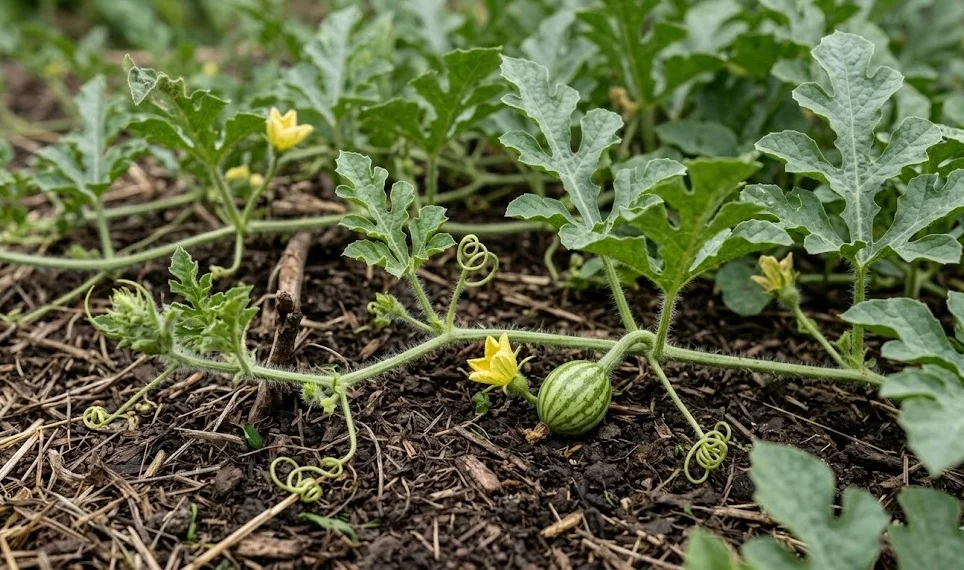

Starting your watermelon journey begins with selecting the highest quality seeds that are suited for your specific local climate conditions. You should look for varieties that have a proven track record of disease resistance and a maturation timeline that fits your growing season. Preparing the planting site well in advance is essential because these plants require deeply worked, fertile soil to thrive. By focusing on the early stages of development, you set the foundation for a healthy plant that can withstand the pressures of the outdoor environment.
Deciding whether to start seeds indoors or sow them directly into the garden is a choice that depends on your regional frost dates. You can gain a significant head start by planting seeds in peat pots about four weeks before the last expected frost. This method protects the sensitive seedlings from early spring chills while allowing the root system to develop undisturbed. When the soil has finally warmed up to at least eighteen degrees Celsius, the young plants are ready to be moved to their permanent home.
Direct sowing is often favored by those in warmer climates where the growing season is long and the soil warms up quickly. You should plant the seeds in small mounds or hills, which helps with drainage and allows the sun to warm the soil more effectively. Placing three to four seeds in each hill ensures that at least one strong plant will emerge to occupy the space. Once the seedlings have developed a few true leaves, you should thin them out to leave only the most vigorous specimen.
The physical spacing between plants is a factor that many novice gardeners overlook to their own detriment. You must give each vine plenty of room to spread out, as watermelons are notorious for their expansive growth habits. Leaving at least two meters between rows allows for proper airflow and gives you enough space to navigate the garden during maintenance. Crowded plants are much more susceptible to fungal diseases and will produce smaller, less impressive fruits due to the intense competition.
Acclimatizing your indoor-grown seedlings to the outdoor environment is a process known as hardening off that cannot be rushed. You should gradually expose the young plants to outdoor conditions over a period of seven to ten days before final transplanting. Start by placing them in a sheltered spot for a few hours each day and slowly increase their exposure to direct sunlight and wind. This careful transition prevents transplant shock, which can stunt the growth of the vines for several weeks if handled poorly.