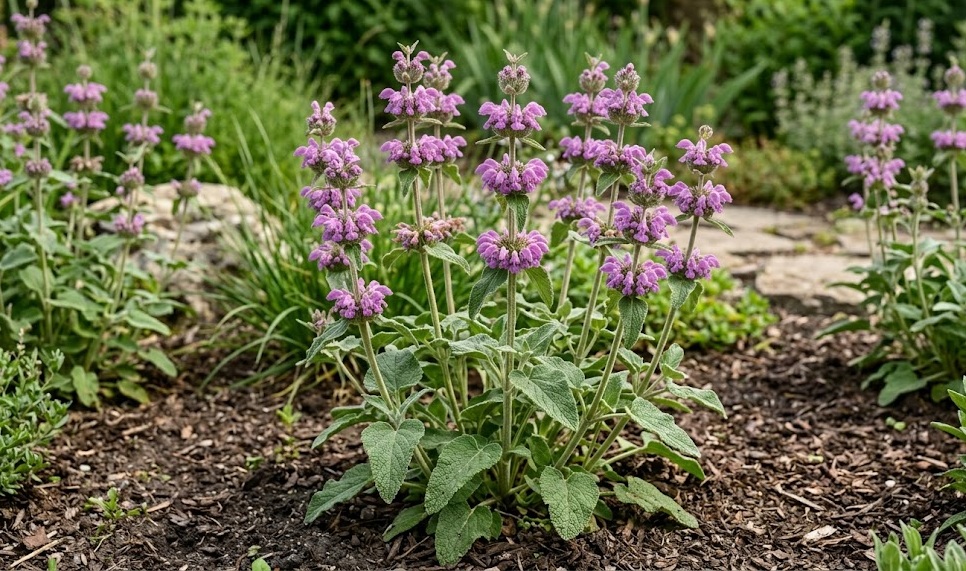

Success in establishing the tuberous jerusalem sage begins with the correct planting technique and a strategic choice of location. This species requires a site that mimics its natural habitat to ensure that the young plants can develop a strong foundation. The timing of planting is equally important, as the root system needs sufficient time to establish before the onset of extreme weather. Professional gardeners prioritize these initial steps to guarantee the health and longevity of the specimens they install.
The physical process of planting involves preparing a hole that is significantly wider than the current root ball of the plant. This allows for the loose soil to surround the roots, encouraging them to expand quickly into the surrounding environment. It is beneficial to mix a small amount of organic compost into the backfill soil to provide an initial boost of nutrients. Ensuring that the plant is set at the same depth as it was in its nursery container prevents stem rot and root issues.
Once the plant is in the ground, immediate aftercare is essential for reducing transplant shock and promoting new growth. Thoroughly watering the site after planting helps to settle the soil around the roots and eliminates any air pockets. Applying a thin layer of organic mulch around the base can help to retain moisture and regulate soil temperatures during the establishment phase. Consistent monitoring during the first few weeks allows the gardener to respond to any signs of stress.
Site selection must take into account both current conditions and the future growth of the plant over several years. This perennial thrives in positions where it can receive maximum sunlight and has plenty of room to expand its foliage. Poorly chosen sites, such as those with heavy shade or standing water, will inevitably lead to poor performance and potential plant death. A well-planned planting strategy is the first step toward a successful and low-maintenance garden feature.
Selecting the ideal planting site
The most important environmental factor for this species is the availability of full sunlight throughout the majority of the day. Without sufficient light, the plant may become leggy and produce fewer flowers than its potential suggests. A site with a southern or western exposure is usually ideal for maximizing the energy the plant can synthesize. Professionals always evaluate the light patterns of a garden before deciding on the final placement of these perennials.
More articles on this topic
Soil drainage is the second critical factor that determines whether a site is suitable for the tuberous jerusalem sage. This plant is highly susceptible to root rot if the soil remains saturated for extended periods, especially during the winter. Testing the drainage by digging a small hole and filling it with water can provide a clear indication of the site’s suitability. If the water takes more than an hour to drain, the soil may need significant amendment or the site should be avoided.
Wind exposure should also be considered, as the tall flower spikes can be vulnerable to breaking in very gusty locations. While the stems are generally sturdy, a site that offers some natural protection from the prevailing winds is often beneficial. This can be achieved by planting near hedges, fences, or other larger garden structures that act as windbreaks. Balancing exposure to light with protection from the elements is a key part of expert site selection.
Finally, consider the long-term space requirements of the plant to avoid overcrowding as it matures. The tuberous jerusalem sage can develop a substantial basal rosette that covers a significant area of the ground. Anticipating this growth prevents the need for transplanting or aggressive thinning in the future. Providing adequate space from the beginning ensures that the plant remains a healthy and integrated part of the garden design.
Propagation through seed dispersal
Propagating this species from seed is a rewarding but slow process that requires patience and attention to detail. The seeds should be collected in the late summer or autumn once the flower heads have turned brown and dry. Cleaning the seeds of any remaining chaff is an important step to prevent mold during the storage or germination process. Starting seeds indoors in late winter allows for a longer growing season once the weather warms up.
More articles on this topic
Germination often requires a period of cold stratification to break the seeds’ natural dormancy and trigger growth. This can be achieved by placing the seeds in a damp medium in the refrigerator for several weeks before sowing. Once moved to a warm, bright location, the seeds should begin to sprout within a few weeks. It is important to keep the growing medium consistently moist but never waterlogged during this delicate stage.
Young seedlings are sensitive to changes in light and temperature, so they should be gradually hardened off before being moved outside. This involves slowly increasing their exposure to direct sunlight and outdoor air over a period of seven to ten days. Transitioning the plants carefully prevents sunscorch and ensures that they are ready for the rigors of the garden. Professional growers find that this steady approach leads to much higher survival rates for new plants.
Once the seedlings have developed several sets of true leaves and a sturdy root system, they can be transplanted into their permanent locations. The best time for this move is usually in the late spring after the danger of frost has passed. Providing them with a bit of extra water and protection during their first few weeks outdoors helps them to settle in. Propagation from seed is an excellent way to increase the population of these beautiful plants while maintaining genetic diversity.
Root division and vegetative methods
Division is the most common and effective way to propagate mature specimens of the tuberous jerusalem sage. This process is best performed in the early spring just as the new growth begins to emerge from the soil. Digging up the entire clump allows the gardener to see the natural structure of the tubers and root system. Using a sharp, clean spade or knife, the clump can be separated into smaller sections, each with at least one healthy growth point.
When dividing the plant, it is important to ensure that each new section has a substantial portion of the root system attached. This provides the necessary resources for the new plant to establish itself quickly in its new location. Any damaged or diseased parts of the roots should be trimmed away during the process to promote health. Replanting the divisions immediately prevents the roots from drying out and reduces the overall stress on the plant.
Vegetative propagation ensures that the new plants will be identical to the parent in terms of flower color and growth habit. This consistency is often desired in professional landscaping projects where a uniform appearance is part of the design. Division also has the added benefit of rejuvenating older plants that may have become less productive in the center of the clump. By thinning out the population, the remaining plants are given a new lease on life with more space and resources.
After the divisions have been replanted, they should be cared for in the same way as newly installed nursery plants. Regular watering is crucial until the root systems have fully integrated into the surrounding soil. While they may not flower as heavily in their first year after division, they will quickly recover and provide a spectacular display in subsequent seasons. Mastering the art of division is a valuable skill for any professional gardener looking to expand their landscape sustainably.