
Establishing a new sycamore maple in your landscape is a rewarding project that begins with careful planning and precise execution. This species is known for its rapid growth and adaptability, but the initial planting phase determines the long-term success of the tree. Whether you are starting from a nursery-grown sapling or attempting to grow your own from seed, understanding the biological requirements of the plant is essential. A successful start ensures that the tree will develop a strong root system and a balanced canopy for years to come.
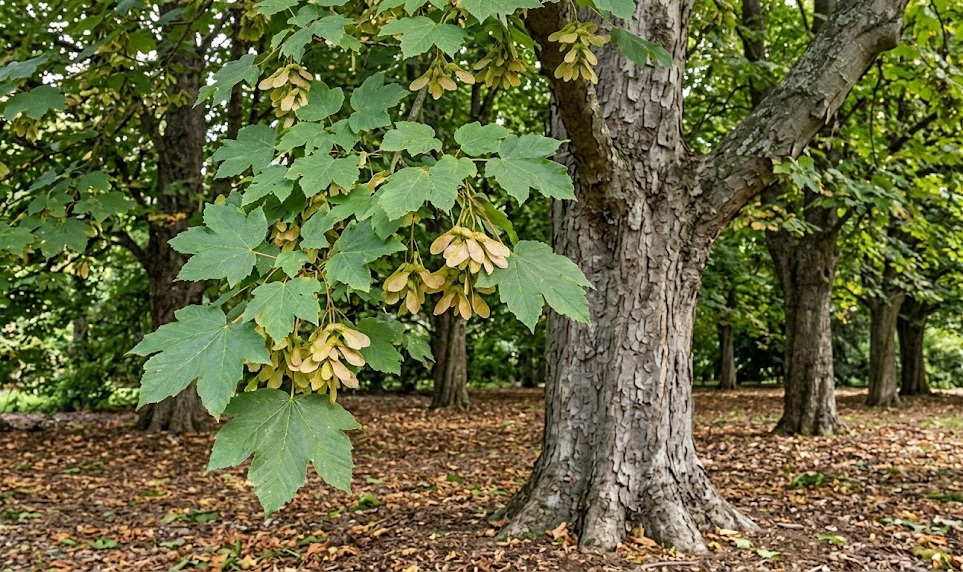
Propagation of the sycamore maple is most commonly achieved through the collection and sowing of its distinctive winged seeds. These seeds mature in the autumn and are naturally designed to be dispersed by the wind over long distances. To ensure a high germination rate, it is best to collect the seeds directly from the tree just as they begin to turn brown. If you wait too long, they may be consumed by wildlife or settle in unfavorable locations where they cannot be easily retrieved.
Once the seeds are collected, they require a period of cold stratification to break their natural dormancy. This process mimics the winter conditions the seeds would experience on the forest floor before sprouting in the spring. You can achieve this by placing the seeds in a mixture of moist sand or peat moss and storing them in a cool environment for several months. Monitoring the moisture levels during this time is vital to prevent the seeds from drying out or rotting.
For those who prefer a more immediate result, purchasing a sapling from a reputable nursery is a popular alternative. When selecting a young tree, look for a specimen with a straight central leader and branches that are evenly distributed. Avoid trees that appear root-bound in their containers or show signs of stress, such as yellowing leaves or stunted growth. A healthy starting plant is the foundation of a magnificent mature sycamore maple that will grace your property.
Site selection and soil preparation
Choosing the right location for your sycamore maple is perhaps the most important decision you will make in the planting process. These trees require ample space to reach their full potential, as they can grow quite tall and wide at maturity. You must consider the distance from power lines, underground pipes, and the foundations of your home or other structures. A site with full sun to partial shade will provide the energy needed for the tree to grow vigorously during its formative years.
More articles on this topic
The soil at the chosen site should be prepared well in advance of the actual planting day. While the sycamore maple is adaptable, it thrives in deep, fertile soil that offers good drainage and consistent moisture. Digging a hole that is significantly wider than the root ball allows the young roots to penetrate the surrounding soil more easily. Incorporating organic matter into the backfill soil can provide a slow-release source of nutrients that will support the tree’s early development.
You should also take the time to evaluate the local microclimate of your garden before committing to a specific spot. Areas that are prone to late spring frosts can be challenging for young maple leaves, so a slightly protected location might be beneficial. However, ensure that there is still enough air circulation to prevent the buildup of fungal issues on the foliage. Proper site selection balances the tree’s need for resources with protection from environmental extremes.
Before placing the tree in the ground, it is helpful to perform a simple drainage test by filling the planting hole with water. If the water drains away within a few hours, the site is likely suitable for a species that dislikes “wet feet.” If the water lingers for days, you may need to consider planting on a slight mound or choosing a different location. This extra step can prevent root rot, which is a common cause of failure for newly planted trees.
The planting process
When you are ready to plant, handle the root ball with extreme care to avoid damaging the delicate fine roots. Place the tree in the center of the hole, ensuring that the root flare—the point where the trunk widens at the base—is level with or slightly above the soil surface. Planting a tree too deeply is a common mistake that can lead to trunk decay and reduced oxygen availability for the roots. It is better for the tree to be slightly high than too deep in the ground.
More articles on this topic
As you begin to fill the hole with soil, do so in stages and gently firm the earth with your hands to remove any large air pockets. You can use water during this process to help settle the soil naturally around the root system. Avoid using your feet to pack the soil down, as this can cause excessive compaction that hinders root growth. A gentle touch ensures that the soil remains porous enough for water and air to move freely.
After the hole is completely filled, create a small basin of soil around the edge of the planting area to help direct water toward the roots. This temporary structure is especially useful during the first year when the tree is most dependent on supplemental irrigation. Apply a thick layer of organic mulch, such as wood chips or shredded bark, around the base of the tree. Be careful to keep the mulch a few inches away from the trunk itself to prevent moisture-related bark problems.
Staking the tree may be necessary if the site is particularly windy or if the sapling feels unstable in the ground. However, it is important to use flexible ties and allow for some movement of the trunk, which encourages the development of stronger “reaction wood.” The stakes should usually be removed after the first growing season once the roots have anchored the tree firmly. Proper planting technique sets the stage for a resilient and healthy sycamore maple.
Post-planting care and establishment
The first two years after planting are a critical period of establishment for the sycamore maple. During this time, the tree is focusing most of its energy on developing a robust root system rather than top growth. Consistent watering is the most important task, especially during dry spells or high-summer temperatures. You should aim for deep, infrequent soakings that encourage the roots to grow deeper into the soil profile.
Monitoring the tree for signs of transplant shock is an essential part of early care. Some leaf drop or minor wilting is normal as the tree adjusts to its new environment, but severe dieback should be investigated. Avoid applying heavy fertilizers during the first year, as the tree needs to establish its roots before being pushed into rapid foliage production. A simple application of compost or a very mild organic liquid feed is usually sufficient if the soil is poor.
Protecting the young trunk from physical damage is also vital during the establishment phase. In areas with high deer populations, a temporary wire cage can prevent animals from rubbing their antlers on the bark or eating the tender new shoots. You should also be careful with lawnmowers and string trimmers, as even a small nick in the bark of a young tree can be a gateway for disease. Taking these precautions protects the investment of time and effort you have put into planting.
As the tree begins to put on significant new growth, you can start to think about its future structure. Any dead or broken branches can be removed at any time, but major pruning should be avoided until the tree is well-established. Watching your sycamore maple grow from a small sapling into a prominent feature of your landscape is a deeply satisfying experience. Your careful attention to planting and early care ensures that this majestic tree will thrive for many generations to come.