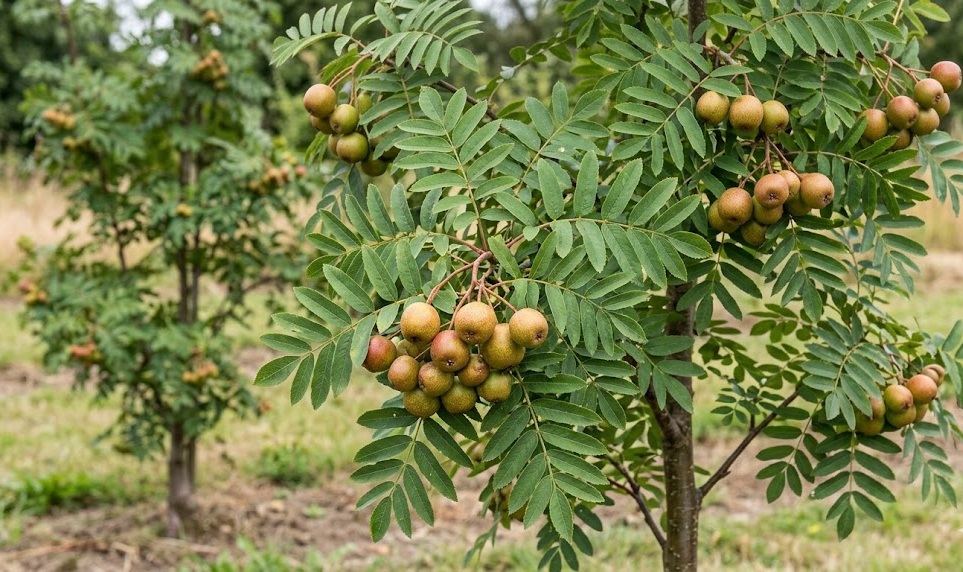

Successful establishment of a service tree begins with a deep understanding of its unique planting requirements and biological characteristics. This species is known for its resilience once established, but it is notoriously sensitive during its early life stages. Choosing the correct location and preparing the soil with precision are the most critical factors for long-term success. A well-planted tree will develop a robust root system that serves as the foundation for centuries of growth and fruit production.
Preparation is the key to ensuring that the young sapling transitions smoothly from the nursery to its permanent home. You must assess the site for adequate sunlight, drainage, and space for the tree to reach its full mature size. Digging a hole that is significantly wider than the root ball allows for easy root expansion into the surrounding soil. This initial effort pays dividends by reducing transplant shock and promoting rapid establishment in the new environment.
The timing of the planting process is another professional consideration that should not be overlooked. Late autumn or early spring, when the tree is in a dormant state, are the most ideal windows for this activity. Planting during these periods allows the roots to settle and begin growing before the demands of the summer foliage take over. This synchronicity with the natural cycle of the plant ensures the highest survival rate for newly installed specimens.
Handling the plant material with care during transportation and planting is essential for maintaining its health. You should keep the roots moist at all times and avoid exposing them to direct sunlight or drying winds. If the tree is container-grown, check for any circling roots and gently loosen them to encourage outward growth. Proper technique during this phase prevents future structural issues and promotes a balanced distribution of the root system.
Site selection and soil preparation standards
Identifying the perfect spot for a service tree requires a careful analysis of the local topography and soil profile. These trees prefer open, sunny locations where they can receive at least six to eight hours of direct light daily. They are adaptable to various soil types but perform best in deep, loamy soils that are rich in calcium. Avoiding low-lying areas where frost pockets form is crucial for protecting the early blossoms in the spring.
More articles on this topic
Soil preparation should ideally begin several months before the actual planting takes place. You can improve the soil structure by incorporating organic matter such as well-aged compost or leaf mold into the area. This enhancement increases the soil’s ability to hold moisture while also improving its drainage capabilities. Testing the soil pH is also recommended to ensure it falls within the preferred slightly alkaline to neutral range for this species.
Consider the eventual size of the tree when deciding on the exact planting location within your garden or orchard. A mature service tree can reach significant heights and have a wide canopy spread, so it needs plenty of room. Ensure that it is not placed too close to buildings, power lines, or other large trees that might compete for light. Proper spacing allows for adequate air circulation, which is a natural defense against many common foliage diseases.
The historical context of the site can also provide clues about its suitability for this traditional species. Areas that have previously supported healthy deciduous forests or traditional orchards are often excellent candidates for planting. Observe the native vegetation to see if related species are thriving in the immediate vicinity. This ecological alignment increases the chances that the service tree will find the conditions it needs to prosper.
Step by step planting process for success
Once the site is prepared, the actual planting process should be executed with meticulous attention to detail. Dig a hole that is twice as wide as the root system but no deeper than the height of the root ball. This ensures that the tree is planted at the same depth it was growing in the nursery or container. Planting too deeply is a common mistake that can lead to trunk rot and the eventual death of the tree.
More articles on this topic
Place the tree in the center of the hole and check that it is standing perfectly upright from multiple angles. Begin backfilling the hole with the original soil, breaking up any large clumps as you go to avoid air pockets. You should not add high concentrations of fertilizer directly into the planting hole, as this can burn the sensitive new roots. Instead, focus on creating a firm but permeable environment that encourages natural root exploration.
Water the tree thoroughly immediately after planting to settle the soil around the roots and eliminate any remaining air. This initial saturation is vital for establishing good soil-to-root contact, which is necessary for water uptake. If the soil settles significantly after watering, you can add a bit more soil to bring it back to the proper level. Constructing a small basin of soil around the base can help direct future water applications toward the root zone.
The final step in the planting process is the application of a protective mulch layer and structural support. A layer of organic material helps to conserve moisture and regulate soil temperature during the critical first months. If the tree is in a windy location, install a stake to provide stability until the roots are firmly anchored. This comprehensive approach gives the young service tree the best possible start in its permanent location.
Seed propagation and germination techniques
Propagating the service tree from seed is a rewarding but challenging process that requires a good deal of patience. The seeds possess a natural dormancy that must be broken through a process known as stratification. This involves exposing the seeds to a period of cold and moist conditions that mimic a natural winter. Without this treatment, the germination rate will be extremely low or may take several years to occur.
To begin, you must extract the seeds from fully ripe fruits and clean them thoroughly to remove any pulp. The cleaned seeds are then mixed with damp sand or peat moss and stored in a refrigerator for several months. Regularly checking the moisture levels and looking for signs of early germination is essential during this cold storage period. This controlled environment ensures that the seeds are ready to grow once the spring temperatures arrive.
In the spring, the stratified seeds can be sown into pots or a prepared seedbed with well-draining soil. They should be covered lightly with soil and kept consistently moist but not waterlogged. Germination can be erratic, so do not be discouraged if some seeds take longer than others to emerge. Providing a sheltered environment with filtered sunlight helps the delicate seedlings grow without being stressed by extreme weather.
Young seedlings are very sensitive to competition and environmental fluctuations during their first year of growth. You must keep the area free of weeds and ensure they receive regular, gentle watering. As they grow, they may need to be moved to larger containers to prevent the roots from becoming cramped. This slow and careful nursery phase is necessary to produce a strong plant that is ready for permanent planting in a few years.
Vegetative propagation and grafting methods
Vegetative propagation is often used to ensure that the offspring have the same characteristics as the parent tree. One of the most common methods for the service tree is grafting, where a piece of a desired tree is joined to a hardy rootstock. This technique allows growers to propagate specific varieties that have superior fruit quality or growth habits. Successful grafting requires precise cuts and careful aftercare to ensure the two parts fuse together correctly.
Selecting the right rootstock is a critical decision in the grafting process for this particular species. Often, seedlings of the same species or closely related plants are used to provide the necessary foundation. The graft is usually performed in late winter or early spring just before the sap begins to flow. Using sharp, clean tools is essential to make the clean incisions necessary for a high success rate in the grafting process.
After the graft is made, the union must be protected from drying out using grafting wax or specialized tape. The young plant should be monitored closely for any signs of growth from the rootstock, which should be removed immediately. If the graft is successful, the new shoot will begin to grow rapidly, fueled by the established root system of the stock. This method significantly reduces the time it takes for a tree to reach the fruit-bearing stage.
While less common, some growers also experiment with hardwood cuttings or layering to propagate the service tree. These methods can be more difficult with this species but offer an alternative for those who do not wish to use grafting. Regardless of the method chosen, the goal is always to produce a healthy, genetically identical plant. Mastery of these propagation techniques allows for the preservation of rare and valuable local varieties of this historic tree.