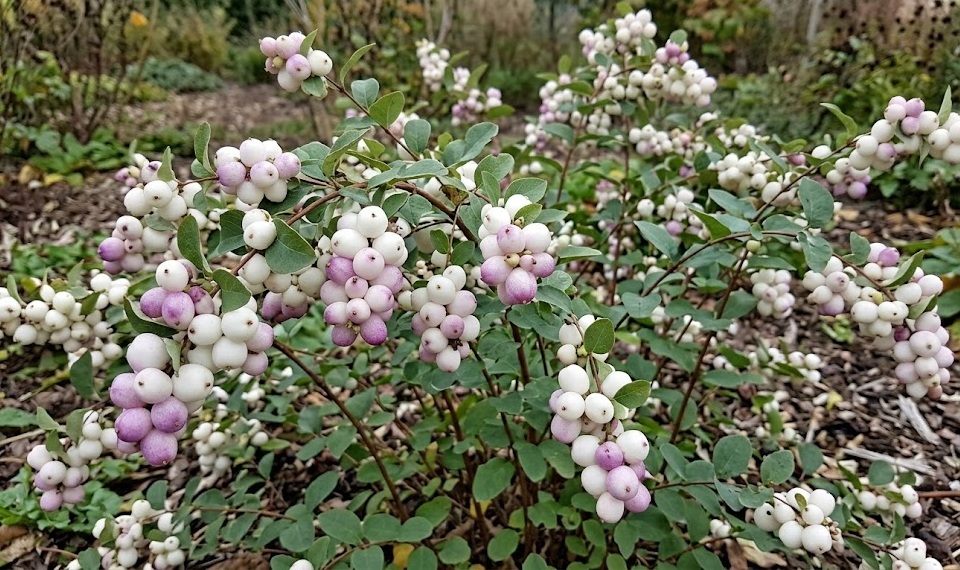

Successfully establishing a garden snowberry begins with a well-thought-out planting strategy that considers both timing and technique. This hardy shrub is a versatile addition to many landscapes, but its initial transition into the ground dictates its future growth potential. You must select the right season to plant, typically in the early autumn or late spring, to allow the roots to settle without extreme temperature stress. By following specific protocols during the planting phase, you provide the shrub with the best possible start in its new home.
The selection of the planting site is the first critical decision in the process of adding this shrub to your collection. It prefers a spot that receives full sun to partial shade, as this light balance encourages the best berry production later in the year. You should investigate the soil quality at the chosen location to ensure it offers the right drainage and nutrient profile. A site that stays consistently soggy should be avoided, as the roots are sensitive to prolonged saturation which can lead to decay.
Before you begin digging, it is a good idea to clear the area of any perennial weeds or large stones that might interfere with root development. You should prepare a hole that is significantly wider than the current root ball to allow for easy expansion into the surrounding soil. Mixing in some organic compost at the bottom of the hole provides an immediate source of nutrition for the young plant. This preparation work ensures that the shrub does not have to struggle against compacted or nutrient-poor earth during its first weeks.
The depth at which the snowberry is planted is just as important as the location itself. You should aim to place the shrub so that the top of the root ball is level with the surrounding soil surface. Planting too deep can cause the stem to rot, while planting too shallow can lead to the roots drying out too quickly. Once the plant is in position, backfill the hole with a mix of native soil and compost, tamping it down gently to remove any large air pockets.
Planting techniques for optimal establishment
Once the shrub is placed in the ground, the immediate aftercare determines how quickly it will recover from the transplant shock. You should provide a generous amount of water right after planting to help settle the soil around the delicate roots. This initial soaking ensures that there is good contact between the root system and the earth, facilitating the uptake of moisture. Monitoring the plant daily for the first two weeks is highly recommended to ensure it doesn’t show signs of wilting.
More articles on this topic
Applying a layer of mulch around the newly planted snowberry is an excellent way to conserve moisture and suppress competing weeds. You should use organic materials like shredded bark or leaf mold, spreading it in a thick circle around the base. Be sure to leave a small gap around the main stem to ensure air circulation and prevent moisture from being trapped against the bark. This mulch layer acts as an insulating blanket, protecting the young roots from sudden temperature changes in the soil.
If you are planting multiple shrubs to create a hedge or a decorative grouping, spacing is a vital consideration. You should research the expected mature width of the variety you have chosen and space the plants accordingly to avoid overcrowding. Giving each shrub enough room to breathe reduces the competition for resources and helps prevent the spread of foliar diseases. Well-spaced plants also develop a much more attractive and natural shape as they mature over the coming years.
The use of a root stimulant or a mycorrhizal fungi additive can be beneficial during the planting process. These products help the plant establish a symbiotic relationship with beneficial organisms in the soil, enhancing its ability to absorb water and minerals. You can simply sprinkle the powder onto the root ball or into the planting hole before placing the shrub. This professional touch can make a noticeable difference in the speed and vigor of the plant’s initial growth burst.
Propagation through softwood and hardwood cuttings
Expanding your collection of snowberries is easily achieved through the process of taking cuttings from an established mother plant. Softwood cuttings are typically taken in the early summer when the new growth is still flexible but starting to mature. You should select healthy, vigorous stems and cut them into segments about ten to fifteen centimeters long. Removing the lower leaves and dipping the base in rooting hormone can significantly increase the success rate of this method.
More articles on this topic
Hardwood cuttings offer another reliable way to propagate the shrub, usually performed during the dormant season in late autumn or winter. For this technique, you should choose pencil-thick stems from the current year’s growth that have fully ripened. These cuttings are generally longer, often around twenty to thirty centimeters, and can be planted directly into a sheltered nursery bed. The cool winter temperatures allow the cuttings to slowly develop a callous and start forming roots before the spring arrives.
The environment in which you place your cuttings is crucial for their eventual transformation into independent plants. For softwood cuttings, a humid atmosphere and indirect light are ideal to prevent the stems from drying out before they can root. You might use a small propagator or a simple plastic bag cover to maintain the necessary moisture levels. Hardwood cuttings are more resilient but still benefit from a well-drained, sandy soil mix that prevents the base from rotting during the wet winter months.
Patience is a necessary virtue when propagating the garden snowberry from cuttings. It can take several weeks or even months for a robust root system to form, depending on the method used and the environmental conditions. You can check for progress by giving the cuttings a very gentle tug; resistance indicates that roots are beginning to take hold in the soil. Once the new plants show signs of active top growth, they can be gradually hardened off and moved to their permanent positions in the garden.
Division and layering for plant expansion
Root division is a practical propagation method for older, well-established snowberry shrubs that have become quite large. This process is best carried out in the early spring just as the plant is beginning to wake up from its winter dormancy. You should carefully dig up the entire root mass and use a sharp spade or saw to divide it into several smaller sections. Each new piece must have a healthy portion of roots and at least one or two viable stems to ensure survival.
Layering is a more passive but highly effective way to create new plants without removing them from the parent shrub immediately. You can select a low-growing, flexible branch and gently bend it down until it touches the ground. By making a small nick in the bark where it contacts the soil and pinning it down, you encourage the branch to grow its own roots. Covering the pinned section with a bit of soil and keeping it moist will speed up the rooting process over the course of a growing season.
The advantage of layering is that the new plant continues to receive nutrients and water from the mother plant while it develops its own root system. This makes it a very low-risk method, especially for gardeners who may not have the equipment for controlled cutting propagation. Once the layered section has developed a strong set of roots, you can simply snip the connection to the parent plant and move it. This technique is particularly useful for filling in gaps around the base of the original shrub or expanding a hedge line.
Whichever propagation method you choose, the resulting young plants will require a bit of extra attention during their first year. They should be treated like any new transplant, with regular watering and protection from extreme weather conditions. As they grow, you will find that these home-grown specimens are often better adapted to your specific garden conditions than store-bought plants. Successful propagation not only saves money but also provides a deep sense of satisfaction as you see your garden expand through your own efforts.