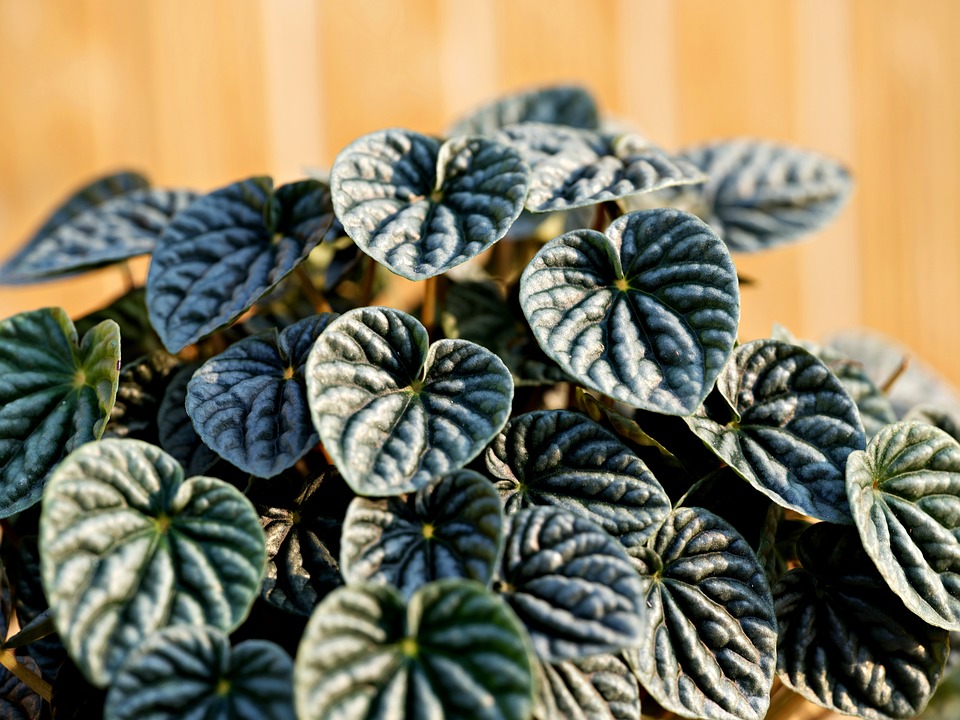

Starting your journey with a new emerald ripple peperomia begins with a successful planting process that sets the stage for future growth. You need to prepare the right environment and materials before you even take the plant out of its original container. It is a rewarding experience to see a small cutting or a nursery plant settle into its new home. By following a professional approach, you ensure that the transition is as smooth and stress-free as possible for your plant.
The timing of your planting is a factor that can significantly influence how quickly the roots establish themselves in the new soil. You should ideally aim for the spring or early summer when the plant is in its most active phase of development. During this period, the natural increase in light and temperature provides the energy needed for rapid root expansion. Avoid major planting projects during the dead of winter when the plant is trying to conserve its internal resources.
Before you begin, make sure you have a clean workspace and all the necessary tools within easy reach. You will need a suitable pot, fresh potting mix, and perhaps some small stones for the bottom if you want to enhance drainage. It is also a good idea to have some water ready to settle the soil once the planting is complete. Being organized allows you to work quickly and minimize the amount of time the roots are exposed to the open air.
When you remove the plant from its old pot, do so with extreme care to avoid damaging the delicate stems or breaking the root ball. You can gently squeeze the sides of the container to loosen the soil and then slide the plant out into your hand. Inspect the roots for any signs of decay or overcrowding and gently tease them out if they are circling the base. This initial inspection is your first chance to confirm that your new plant is healthy from the bottom up.
Techniques for successful planting
The depth at which you place your emerald ripple peperomia in its new container is critical for preventing stem rot. You should aim to keep the soil level at the same height as it was in the previous pot to protect the crown. If you plant it too deep, the moisture in the soil will sit against the stems and cause them to soften and decay. Conversely, planting it too shallow can leave the upper roots exposed to the air, causing them to dry out.
More articles on this topic
As you fill in the gaps around the root ball with fresh soil, use your fingers to gently firm the substrate down. You don’t want to pack the soil too tightly, as this can squeeze out the oxygen that the roots need to function. The goal is to eliminate large air pockets while maintaining a light and porous structure that allows for easy water movement. Once the pot is filled, leave about a centimeter of space at the top to make watering easier in the future.
After the plant is securely in place, give it a thorough watering to help the soil settle around the roots. You should see the water drain freely through the bottom holes, which confirms that your drainage system is working correctly. This initial drink helps to establish a good connection between the old root ball and the new surrounding substrate. Place the newly planted specimen in a bright but sheltered spot where it can recover from the transplant process.
You should monitor the plant closely for the first few weeks after planting to see how it adapts to its new environment. It is normal for the plant to look a bit tired for a day or two, but it should quickly bounce back and start looking vibrant. Avoid the temptation to fertilize immediately, as the new soil usually contains enough nutrients to support the plant for several months. Giving the plant time to settle in will lead to much better results in the long run.
Propagation through leaf cuttings
One of the most exciting aspects of growing the emerald ripple peperomia is how easily you can create new plants from a single leaf. You can take a healthy, mature leaf from the parent plant and use it to start an entirely new generation of greenery. This process is a cost-effective way to expand your collection or create thoughtful gifts for your friends and family. It requires a bit of patience, but the sight of tiny new plantlets emerging is incredibly satisfying for any gardener.
More articles on this topic
To begin the process, choose a firm and vibrant leaf and cut it from the main plant along with a small portion of the petiole. You can either plant the whole leaf vertically into the soil or cut it in half horizontally to increase the number of potential growth points. If you choose the half-leaf method, make sure to place the cut edge directly into a moist, sandy propagation mix. The cells along the cut edge will eventually differentiate and begin to form new roots and shoots.
Maintaining high humidity is the secret to successful leaf propagation, as the cuttings don’t have roots to absorb water yet. You can cover your propagation tray with a clear plastic dome or a simple plastic bag to trap the moisture inside. Place the tray in a warm spot with bright, indirect light, and avoid exposing it to direct sunshine which can cook the cuttings. Check the soil regularly to ensure it stays moist but never soggy, as excess water will cause the leaves to rot.
Within a few weeks or months, you will start to see tiny green leaves poking through the soil at the base of the cutting. This is the sign that your propagation attempt has been successful and new life is beginning to take hold. You should wait until these plantlets have developed a few sets of leaves before you think about moving them to their own pots. Gradually acclimatize the young plants to the lower humidity of your home before removing the protective cover entirely.
Stem cuttings and division methods
If you have a larger or more mature emerald ripple peperomia, you can use the division method to create multiple plants instantly. This involves carefully pulling the main root ball apart into two or more sections, each with its own set of leaves and roots. This technique is best performed during a regular repotting session when the plant is already out of its container. It is a quick way to manage a plant that has grown too large for its current space while gaining new specimens.
When dividing the plant, try to use your hands to gently tease the roots apart rather than cutting through them with a knife. You want each new section to have a healthy amount of root mass to support the foliage above. Once the sections are separated, plant them immediately into individual pots using fresh, high-quality potting soil. This method results in much larger new plants compared to leaf cuttings, and they will establish themselves very quickly.
Stem cuttings are another effective way to propagate this variety, especially if the plant has become a bit leggy or overgrown. You can take a stem with a few leaves attached and place it directly into water or a moist rooting medium. In water, you will be able to see the white roots developing over the course of a few weeks, which is a great educational experience. Once the roots are a few centimeters long, you can transition the cutting into a small pot of soil.
Regardless of the method you choose, propagation is a wonderful way to ensure the longevity of your favorite plant varieties in your home. You will find that some methods work better for you than others depending on your specific environment and the time of year. Don’t be discouraged if your first few attempts aren’t successful, as propagation is a skill that improves with practice. The joy of growing something from a small piece of a parent plant is one of the greatest rewards of indoor gardening.