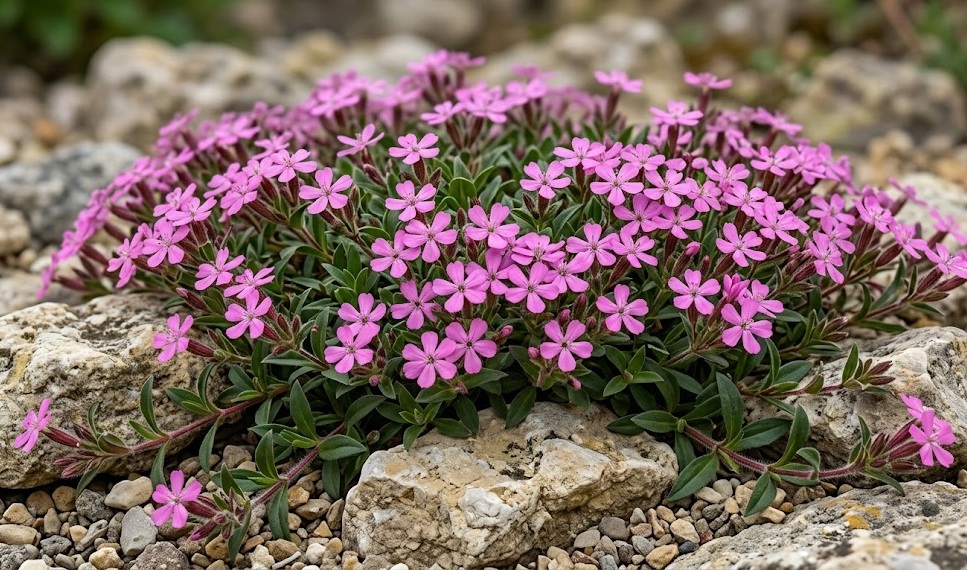

The successful establishment of rock soapwort in your garden begins with a thoughtful approach to both the timing and the method of planting. This versatile perennial is prized for its ability to cascade over walls and fill in rocky gaps, but it requires a solid start to reach its full potential. You must consider the unique characteristics of your site, including soil drainage and sun exposure, to ensure the young plants can thrive. By following professional planting techniques and understanding the various propagation methods, you can create a stunning and expansive floral display in your landscape.
Choosing the right location
The first step in planting is identifying a spot that mimics the natural alpine conditions where this species originally evolved. You should look for a location that offers full sun for the majority of the day to encourage the most prolific flowering. While the plant can tolerate some light afternoon shade, too much shade will lead to leggy stems and fewer blossoms. Proper site selection is the most critical decision you will make in the entire planting process.
Soil drainage is the next most important factor to consider when choosing a permanent home for your soapwort. This plant will not survive in heavy, waterlogged soil where the roots are prone to rotting during the wet seasons. You should look for sloped areas, rock gardens, or raised beds where excess water can easily drain away from the root zone. If your desired spot has poor drainage, you must commit to significant soil amendments or choose a different location altogether.
Consider the aesthetic and functional role you want the soapwort to play in your overall garden design before you start digging. It works exceptionally well as a border plant or as a living mulch between larger shrubs and perennials that share its cultural needs. Because it has a trailing habit, planting it near the edge of a stone wall or a container allows it to spill over beautifully. Thinking about the final mature size and shape of the plant will help you avoid overcrowding in the future.
Finally, check the surrounding environment for any potential competition from aggressive grasses or other fast-spreading groundcovers. You want to give your soapwort enough space to establish its own territory without being smothered by its neighbors. Clearing the planting site of all existing weeds and debris is a necessary preparation step that pays off in the long run. A clean and well-thought-out location provides the perfect stage for your new plants to shine.
More articles on this topic
Seed sowing techniques
Growing rock soapwort from seed is a cost-effective way to produce a large number of plants for extensive groundcover projects. You can choose to start your seeds indoors several weeks before the last frost or sow them directly into the garden once the soil has warmed. If starting indoors, use a well-draining seed-starting mix and provide plenty of light to prevent the seedlings from becoming spindly. Patience is key, as germination can sometimes be irregular depending on the environmental conditions.
When sowing directly in the garden, you should prepare the soil surface by raking it smooth and removing any large clods of earth. Scatter the seeds thinly over the area and press them gently into the soil, but do not cover them deeply as they require some light to germinate. You must keep the soil consistently moist but not saturated during the entire germination process, which usually takes two to three weeks. Once the seedlings have developed a few sets of true leaves, you can begin to thin them out.
Managing the young seedlings requires a delicate touch and regular monitoring to ensure they are not overwhelmed by weeds or drying out. You should provide a light organic mulch around the tiny plants to help retain moisture and stabilize the soil temperature. As the seedlings grow, you can gradually reduce the frequency of watering to encourage deep root development. This early stage is when the foundation for a hardy and resilient adult plant is truly built.
If you are looking for a more controlled approach, sowing seeds in specialized flats or plug trays can offer higher success rates. This method allows you to manage the environment more closely and move the young plants to their final locations once they are strong enough. You should wait until the danger of frost has passed before transplanting these young starts into the outdoor garden beds. Starting from seed allows you to experience the entire life cycle of the plant, which is incredibly rewarding for any gardener.
More articles on this topic
Division of mature plants
Dividing established clumps is one of the fastest and most reliable ways to propagate rock soapwort while also rejuvenating older plants. You should ideally perform this task in the early spring just as the new growth is beginning to emerge from the ground. This timing allows the divided sections to establish their own root systems before the heat of summer puts stress on the plant. Regular division every few years keeps the original colony healthy and prevents the center from becoming sparse.
To begin the division process, you should carefully lift the entire clump from the ground using a garden fork to minimize root damage. Once the plant is out of the soil, you can gently pull the root mass apart by hand or use a sharp knife for more stubborn sections. Ensure that each new division has a healthy portion of roots and several strong stems or growing points attached. Discard any old, woody parts of the center that no longer show signs of vigorous growth.
Replanting the divisions should be done immediately to prevent the roots from drying out in the air and sun. You should dig a hole that is slightly larger than the root system of the new division and place it at the same depth it was previously growing. Firm the soil around the roots and water the area thoroughly to settle the earth and remove any air pockets. Space the new plants according to their expected mature spread to allow for future growth without immediate crowding.
After division, you must pay close attention to the moisture levels of the new plants for the first few weeks of their establishment. Even though soapwort is drought-tolerant, newly moved sections need consistent hydration to recover from the shock of being divided. You might also want to provide some temporary shade if the weather becomes unexpectedly hot right after the replanting process. Successful division is a simple yet powerful tool for expanding your garden and maintaining plant health.
Cuttings and establishment
Taking stem cuttings is another effective propagation method that can be used during the late spring or early summer months. You should select healthy, non-flowering shoots for your cuttings, as these will direct their energy into root production rather than blooming. Each cutting should be about three to four inches long and taken from the tip of a vigorous stem. This technique is particularly useful if you want to create exact clones of a specific plant that has performed well in your garden.
Prepare the cuttings by removing the lower leaves and dipping the cut end into a rooting hormone to speed up the process. You should then insert the cuttings into a pot filled with a gritty, well-draining medium like a mix of peat and perlite. Keep the pot in a bright location but out of direct sunlight, and maintain high humidity by covering it with a clear plastic bag or dome. Within a few weeks, you should start to see new growth, indicating that the roots have successfully formed.
Once the cuttings have established a robust root system, you can begin to acclimate them to the outdoor conditions gradually. This process, known as hardening off, involves placing the young plants outside for increasing periods each day over the course of a week. This prevents the shock of a sudden change in temperature and light intensity which could otherwise kill the delicate young starts. Moving them to their permanent garden home should only happen once they are fully adjusted and the weather is stable.
The final stage of establishment involves monitoring the new plants through their first full growing season to ensure they become deeply rooted. You should avoid any heavy pruning or fertilization during this first year, allowing the plant to focus entirely on its structural development. Providing a little extra water during dry spells will help the young soapwort build the resilience it needs for the years ahead. With a successful start from cuttings, your new plants will soon be contributing to the beauty of your landscape.