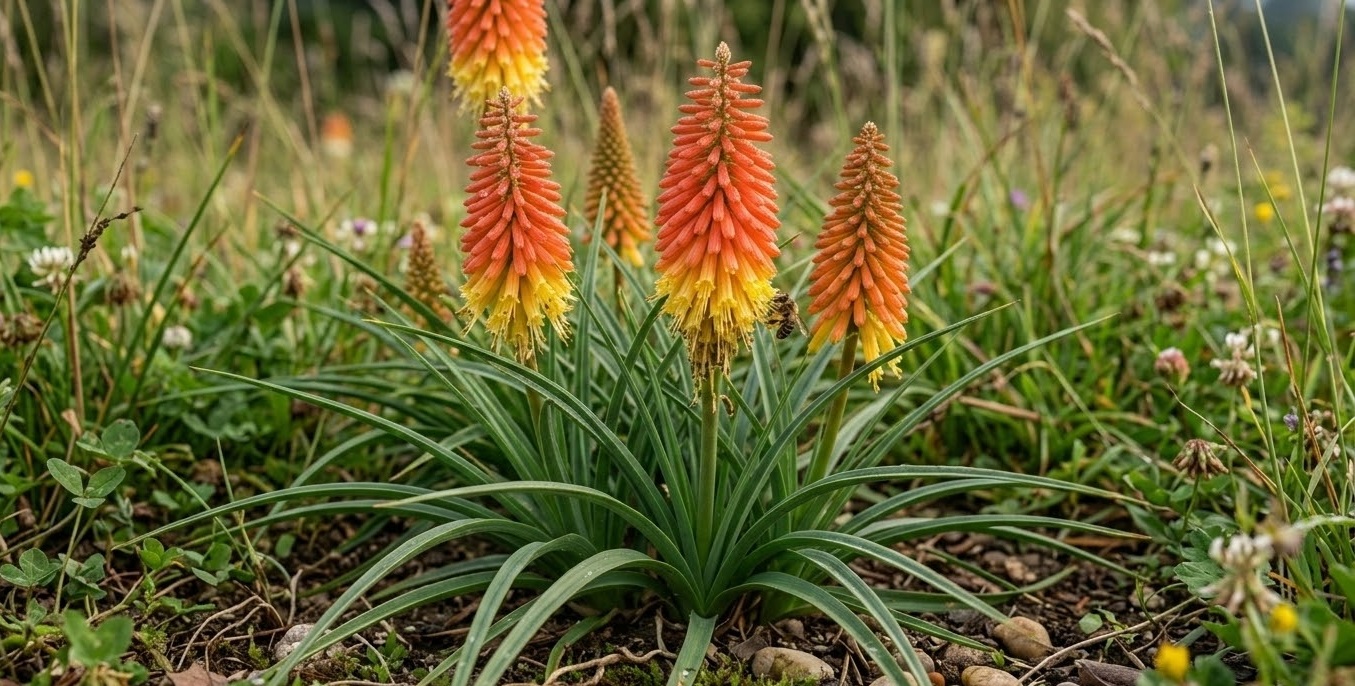

Successful planting and propagation of the red hot poker are the cornerstones of a vibrant and expanding garden display. This plant is known for its robust nature, but it requires a specific set of conditions during its initial stages to ensure it takes root properly. Whether you are starting with a nursery-bought specimen or trying your hand at propagation, the process demands attention to detail. By following professional standards, you can ensure that your plants not only survive the transition but thrive for many years to come.
Timing and site preparation techniques
The success of your planting project begins long before the first shovel hits the ground with careful timing and preparation. The best time to plant the red hot poker is in the spring, once the threat of heavy frost has passed and the soil has begun to warm. This allows the root system to establish itself throughout the growing season before it has to face the challenges of winter. You can also plant in early autumn, provided there is enough time for the roots to settle before the ground freezes.
Site preparation is a professional task that should never be rushed if you want long-lasting results in your garden. You should start by clearing the area of all weeds and grass, ensuring that the red hot poker won’t have to compete for nutrients or water. Digging a hole that is twice as wide as the root ball is essential to loosen the surrounding soil and encourage lateral root growth. If your soil is naturally heavy, this is the perfect moment to incorporate grit or organic matter to improve the structure.
Drainage is the most critical factor to consider during the preparation phase of any planting project involving this species. If the site is prone to holding water, you might consider creating a slightly raised mound or planting on a gentle slope. You can test the drainage by filling the planting hole with water and observing how quickly it disappears; it should drain away within an hour. Professional gardeners often use this simple test to determine if a location is truly suitable for such a moisture-sensitive plant.
Finalizing the site involves leveling the soil and ensuring that the area is clear of large stones or debris that could obstruct root development. You should also consider the orientation of the site to ensure it receives at least six to eight hours of direct sunlight daily. Preparing the environment correctly reduces the stress on the plant during the transplanting process and speeds up its establishment. A well-prepared site is the best insurance policy for the future health of your perennial garden.
More articles on this topic
Professional planting techniques and spacing
When you are ready to place the plant in the ground, handling the root ball with care is of the utmost importance. You should gently tease out any circling roots to encourage them to grow outwards into the new soil environment. Place the plant in the hole at the same depth it was growing in its previous container to avoid burying the crown. Burying the crown too deeply is a common mistake that often leads to rot and the eventual death of the plant.
Once the plant is positioned correctly, you should backfill the hole with a mixture of the native soil and a small amount of compost. Firm the soil down gently with your hands to remove any large air pockets, but avoid compacting it too tightly with your feet. You want the roots to have immediate contact with the soil while still being able to breathe and expand easily. After planting, give the area a thorough watering to help settle the soil around the root system and provide initial hydration.
Spacing is a critical consideration that determines the long-term aesthetic and health of your garden bed. You should space individual red hot pokers at least sixty to ninety centimeters apart to allow for their mature width and adequate air circulation. If they are planted too close together, they will quickly become overcrowded, leading to a higher risk of disease and fewer flowers. Professional designers often stagger the plants in a triangular pattern to create a more natural and full appearance as they grow.
Immediately after planting, applying a thin layer of organic mulch around the base—but not touching the crown—can be very beneficial. This mulch helps to retain moisture in the soil and keeps the root zone cool during the hot summer months. It also provides a clean finish to the garden bed and helps to suppress any emerging weed seeds. Monitoring the new plants closely for the first few weeks will allow you to catch any signs of transplant shock and intervene if necessary.
More articles on this topic
Propagation by division for rejuvenation
Division is the most common and effective method for propagating the red hot poker while also maintaining the health of older plants. This process is typically performed every three to five years when the center of the clump begins to die out or flowering decreases. The best time for division is in the early spring, just as the new growth starts to appear but before the flower stalks develop. You will need a sharp spade or a garden fork to lift the entire clump out of the ground carefully.
Once the clump is lifted, you should examine the root system and identify the natural points where the plant can be separated. You can use a sharp knife or even two garden forks back-to-back to pry the sections apart, ensuring each piece has several healthy shoots and a good portion of roots. It is important to discard the old, woody center of the clump and only use the vigorous outer sections for replanting. This rejuvenation process gives the plant a “second life” and ensures continued prolific blooming.
Replanting the divisions should follow the same professional techniques used for new nursery plants. You should get the new sections into the ground as quickly as possible to prevent the roots from drying out in the sun and wind. If you cannot plant them immediately, keep the divisions in a shaded area and cover them with damp burlap or newspaper. This care during the transition phase is what separates a professional gardener from an amateur, ensuring a high success rate for all new plants.
After replanting your divisions, they will require consistent watering until they show signs of new growth and establishment. You might find that divided plants do not bloom as heavily in their first season, but they will reward you with a spectacular display the following year. Division is not only a practical way to get more plants for free but also an essential maintenance task for the long-term vitality of the species. Sharing extra divisions with fellow gardeners is a time-honored tradition that helps spread the beauty of this unique plant.
Growing red hot poker from seeds
While more time-consuming than division, growing red hot poker from seeds can be a rewarding experience for the patient gardener. You can harvest seeds from your own plants once the flower spikes have completely dried and the seed pods turn brown. The seeds should be collected and stored in a cool, dry place until you are ready to start the sowing process. Keep in mind that seeds from hybrid varieties may not grow “true to type,” meaning the new plants might look different from the parent.
To start the seeds indoors, you should sow them in a well-draining seed-starting mix about six to eight weeks before the last frost. Lightly cover the seeds with a fine layer of soil or vermiculite, as they require some light to germinate effectively. Maintaining a consistent temperature of around fifteen to twenty degrees Celsius will encourage steady germination over two to four weeks. Using a heat mat can be a professional way to ensure the soil temperature remains stable during the early stages of growth.
Once the seedlings have developed their first set of true leaves, they should be transplanted into individual pots to give them more room to grow. You should continue to provide them with plenty of light and keep the soil consistently moist but never waterlogged. Before moving the young plants into the garden, they must be “hardened off” by gradually exposing them to outdoor conditions over a week or two. This transition period prevents the tender seedlings from being scorched by the sun or damaged by the wind.
Plants grown from seed usually take two to three years to reach a size where they are capable of producing their first flowers. During this time, your focus should be on building a strong root system and healthy foliage through proper care and positioning. While it requires more effort, growing from seed allows you to produce a large number of plants for a relatively low cost. It also gives you the chance to discover unique variations in flower color or leaf shape that might arise naturally.