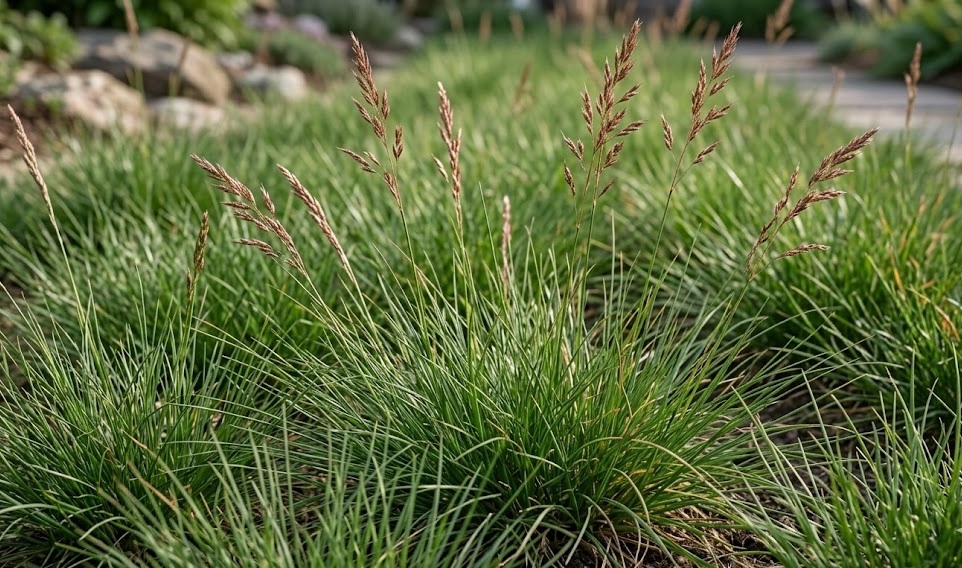

Planting red fescue is an excellent choice for those seeking a low-maintenance and shade-tolerant lawn. This species is valued for its fine texture and ability to thrive in soils where other grasses often fail. Successful establishment requires careful planning and an understanding of the specific needs of the seeds or tillers. By following the correct procedures, you can create a beautiful and durable green space that lasts for years.
The initial phase of planting involves more than just spreading seeds across the ground. You must consider the timing, the soil preparation, and the environmental conditions that will support young plants. Red fescue has a relatively slow germination rate, which means patience is a necessary virtue for any gardener. Ensuring the right start is the most important factor in the long-term health of your turf.
Before you begin, it is essential to clear the area of any existing vegetation or debris. Weeds can easily outcompete young fescue seedlings if they are allowed to remain in the planting bed. You should use a combination of mechanical removal and soil preparation to create a clean slate. A well-prepared surface allows for better seed-to-soil contact and more uniform growth.
Propagation can be achieved through both seeding and vegetative methods, depending on your goals and budget. While seeding is the most common approach for large areas, vegetative propagation can be useful for filling gaps. You should evaluate the size of your project and the time of year to determine the best method. Each approach has its own set of requirements that must be met for a successful outcome.
Ideal timing for sowing and planting
The best time to sow red fescue seeds is during the transitional seasons of early autumn or late spring. During these periods, the soil is warm enough to encourage germination, while the air is cool enough to prevent heat stress. Autumn is generally preferred because it allows the young plants to establish their roots before the summer heat. Avoiding the extremes of winter and summer is crucial for seedling survival.
More articles on this topic
Soil temperature is a more accurate indicator of planting success than the calendar date alone. You should wait until the soil temperature is consistently between 10 and 18 degrees Celsius for optimal results. If the soil is too cold, the seeds may rot before they have a chance to sprout and grow. Using a simple soil thermometer can take the guesswork out of this important decision.
Regional climate variations will dictate the exact window of opportunity for your specific location. In cooler northern areas, you might have a longer spring planting window compared to warmer southern regions. You should monitor local weather forecasts for periods of steady rain and moderate temperatures. These natural conditions provide the perfect environment for new life to begin in your garden.
Late summer planting can also be successful if you have a reliable irrigation system to keep the soil moist. However, you must ensure that the plants have at least six weeks of growth before the first hard frost. This time allows the crowns to harden off and the root system to gain enough strength for winter. Planning your planting schedule around the local frost dates is a mark of a professional gardener.
Methods for effective seed distribution
Achieving a uniform distribution of seeds is essential for creating a dense and even lawn surface. You should use a calibrated broadcast or drop spreader rather than trying to spread the seeds by hand. Hand-spreading often leads to patchy growth and wasted resources in some areas while leaving others bare. A spreader ensures that every square meter receives the exact amount of seed required.
More articles on this topic
The recommended seeding rate for red fescue typically falls between 15 and 25 grams per square meter. You should divide your total seed amount into two equal portions and apply them in perpendicular directions. This “cross-hatching” technique helps to eliminate any strips or gaps that might occur during a single pass. Precision during this step will save you from the hassle of patching thin spots later.
After the seeds are spread, they must be lightly incorporated into the top few millimeters of the soil. You should use a leaf rake or a specialized seed rake to gently move the soil over the seeds. Red fescue seeds require some light to germinate, so they should not be buried too deeply in the earth. A shallow covering protects them from birds and wind while keeping them in a moist environment.
Firming the soil after seeding is the final step in the distribution process to ensure good contact. You can use a light water-filled roller or simply walk over the area with flat-soled shoes for smaller plots. This action presses the seeds into the soil particles, which facilitates the absorption of moisture needed for germination. Without proper contact, the seeds may dry out and fail to sprout even with regular watering.
Managing the germination and seedling phase
The period immediately following sowing is the most critical time for the survival of your new lawn. You must keep the surface of the soil consistently moist without creating puddles or washing the seeds away. This usually requires light watering several times a day, depending on the temperature and wind conditions. Allowing the seeds to dry out even once during the germination process can be fatal.
Red fescue typically takes between 7 and 21 days to show visible signs of growth above the ground. You should not be discouraged if it seems slower than other grass species like perennial ryegrass. During this time, the seeds are busy developing their initial root structures and absorbing nutrients from the soil. Patience and consistent moisture are your best tools during this waiting period.
Once the seedlings emerge, you can gradually reduce the frequency of watering while increasing the duration of each session. This change encourages the young roots to grow deeper into the soil in search of moisture. You should continue to protect the area from foot traffic and pets, as the tiny plants are extremely fragile. The first few weeks of life determine the future resilience of the entire turf area.
Fertilization during the seedling stage should be handled with extreme care to avoid chemical burns. You should use a specialized “starter” fertilizer that is high in phosphorus to support root development. Avoid high-nitrogen products until the grass has been mowed at least two or three times. Providing the right nutrients at the right time will give your new fescue the boost it needs to thrive.
Using vegetative methods for propagation
While seeding is the primary method, red fescue can also be propagated through the use of sod or plugs. This vegetative approach provides an “instant” lawn and is ideal for areas where erosion is a concern. You should ensure that the sod is fresh and has been kept moist during transport and storage. Laying the pieces tightly together prevents gaps where weeds could potentially gain a foothold.
Plugging involves taking small sections of established turf and planting them into a prepared area. This is a cost-effective way to thicken a thinning lawn or to introduce fescue into a different grass mix. You should space the plugs evenly and keep them well-watered until they begin to spread through their rhizomes. Red fescue’s creeping habit makes it well-suited for this type of slow expansion.
The success of vegetative propagation depends heavily on the preparation of the receiving soil. You should treat the area just as you would for seeding, ensuring it is loose, fertile, and free of weeds. Pressing the sod or plugs firmly into the earth eliminates air pockets that could dry out the roots. Professional installation ensures that the new pieces integrate seamlessly with the existing landscape.
Maintenance for vegetatively propagated fescue is slightly different from that of a seeded lawn. You do not need to water as frequently as you would for seeds, but the root zone must remain moist. You should wait until the sod has firmly rooted into the underlying soil before performing the first mow. Checking the attachment by gently pulling on the grass will tell you when it is ready for regular care.