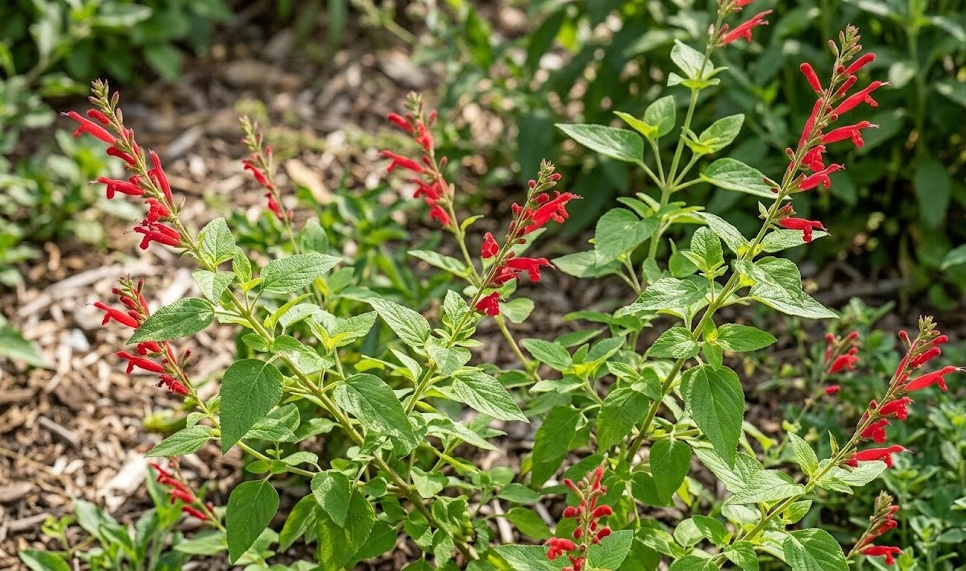

The successful establishment of pineapple sage in your landscape begins with a strategic approach to planting and the right timing. This versatile sub-shrub is known for its rapid growth and ease of propagation, making it an ideal candidate for both novice and experienced gardeners. Whether you are starting with a nursery-bought specimen or taking cuttings from a friend, the initial steps you take will determine the future health of the plant. Providing the right environment from day one allows the sage to settle in quickly and begin its journey toward a spectacular autumn display.
Choosing the right time of year for planting is the first critical decision you will need to make. In most regions, the best time to put pineapple sage in the ground is after the danger of the last spring frost has completely passed. This ensures that the young roots are not shocked by cold soil and can take advantage of the warming temperatures of early summer. If you plant too early, you risk losing the tender foliage to a late cold snap.
Before you even touch a shovel, you should consider the ultimate size of the mature plant in your garden plan. Pineapple sage can easily reach heights and widths of four feet or more in a single growing season under the right conditions. This means it needs plenty of elbow room to expand without crowding its neighbors or blocking pathways. Thinking ahead about the physical space will save you the trouble of having to move or prune aggressively later on.
The transition from a nursery pot to the garden soil is a significant event for any plant, requiring careful handling. You should ensure the plant is well-watered before removal to keep the root ball intact and minimize transplant shock. Gently loosening any circling roots will encourage them to grow outward into the new soil rather than continuing to grow in a tight spiral. With the right preparation, your pineapple sage will hit the ground running and thrive throughout the season.
Choosing the right site for planting
Selecting the perfect location is about more than just finding an empty spot in the dirt; it’s about matching the plant’s needs with the microclimate of your garden. Pineapple sage is a sun-loving species that requires at least six to eight hours of direct light to produce its best foliage and flowers. If you place it in too much shade, the stems will become leggy and weak as they stretch toward the light. A sunny, open spot also helps to keep the leaves dry, which is important for preventing fungal diseases.
More articles on this topic
The soil at your chosen site should be well-drained and relatively fertile to support the plant’s rapid development. While it can tolerate a range of soil types, it will truly flourish in a loamy mix that has been enriched with organic matter. If you are unsure about the drainage, perform a quick test by digging a hole and filling it with water to see how fast it disappears. Ideally, the water should drain away within an hour or two, indicating a healthy soil structure for sage.
Wind protection is another factor that can influence the success of your planting site. Because the stems of pineapple sage can be somewhat brittle, strong gusts of wind can cause them to snap or lean over awkwardly. If your garden is particularly exposed, consider planting near a fence or a sturdier group of shrubs that can act as a windbreak. This extra layer of protection helps the plant maintain its upright, bushy form without the need for extensive staking.
You should also think about the visual impact of the plant when it reaches full maturity in the autumn. Since it is a late bloomer, it works well as a backdrop for earlier-flowering perennials or as a standout specimen in a mixed border. Positioning it where you can easily enjoy its fragrance is also a wise choice, perhaps near a patio or a frequently used walkway. The right site combines practical growing conditions with the aesthetic goals of your landscape design.
The process of transplantation
When you are ready to put your pineapple sage into its permanent home, start by digging a hole that is twice as wide as the root ball. This extra width allows you to backfill with loose, amended soil that the new roots can easily penetrate. The depth of the hole should be exactly the same as the pot the plant came in, ensuring that the stem is not buried too deep. Planting too deeply can lead to crown rot, while planting too shallowly can cause the roots to dry out.
More articles on this topic
As you place the plant in the hole, take a moment to ensure it is sitting straight and at the correct height relative to the surrounding soil level. Slowly fill in the space around the root ball with a mixture of native soil and high-quality compost. Firm the soil down gently with your hands to remove any large air pockets, but avoid packing it so hard that you crush the delicate roots. This process creates a seamless transition between the container environment and the garden bed.
Immediately after planting, give the sage a thorough watering to help settle the soil and hydrate the roots. This initial deep soak is essential for helping the plant recover from the stress of being moved and establishing a good connection with the new soil. You may notice some slight drooping for a day or two, but the plant should quickly perk up as the roots begin to function. Keep a close eye on the moisture levels for the first few weeks until the plant is fully established.
Applying a thin layer of mulch around the base of the newly planted sage will provide several long-term benefits. It helps to keep the soil temperature consistent, which is very helpful for young plants trying to establish themselves. Just be sure to keep the mulch a few inches away from the main stem to prevent moisture from sitting directly against the bark. This final step in the planting process sets the stage for a healthy, productive growing season.
Stem cuttings as a propagation method
One of the easiest ways to expand your collection of pineapple sage is by taking stem cuttings during the active growing season. This method allows you to create exact clones of your favorite plants with very little equipment or specialized knowledge. You should select healthy, non-flowering stems that are about four to six inches long for the best results. Using a clean, sharp pair of snips or a knife will ensure a clean cut that heals quickly on both the parent and the cutting.
Once you have your cuttings, remove the lower leaves, leaving only a few at the very top to provide energy through photosynthesis. You can dip the cut end into a rooting hormone powder to speed up the process, although this is often not necessary for such a vigorous species. Insert the bottom half of the stem into a pot filled with a light, sterile seed-starting mix or perlite. Maintaining high humidity around the cutting by using a plastic dome or bag will prevent it from wilting before roots form.
Place your cutting containers in a bright spot with indirect light, avoiding direct sun which could overheat the delicate stems. You will need to keep the rooting medium consistently moist but never soggy, as too much water will cause the stems to rot. Within two to three weeks, you should start to see new growth or feel some resistance when you gently tug on the cutting. This resistance is a sign that a new root system has begun to develop and support the plant.
After the roots are well-established, you can gradually acclimate the new plants to the outdoor environment through a process called hardening off. Start by placing them in a sheltered spot for a few hours a day and slowly increase their exposure to sun and wind. Once they are strong enough, they can be transplanted into larger pots or directly into the garden just like a nursery-bought plant. Propagation is a rewarding way to fill your garden with beauty while saving money on new specimens.
Growing from seeds and division
While cuttings are the most common method, growing pineapple sage from seeds is an alternative for those who enjoy the challenge of starting from scratch. You should sow the seeds indoors about six to eight weeks before the last frost date to give them a head start on the season. Use a high-quality seed-starting mix and barely cover the seeds with soil, as they need some light to germinate effectively. Keeping the soil warm, perhaps with a heating mat, will significantly improve your germination rates.
Seedlings require a lot of light once they emerge, so place them in a very sunny window or under grow lights for 12 to 14 hours a day. Be careful not to overwater the tiny plants, as they are susceptible to a condition called damping off, which is caused by soil-borne fungi. Once they have developed two sets of true leaves, you can transplant them into individual pots to continue their growth. This method takes a bit more patience but allows you to observe the entire lifecycle of the plant.
Division is another professional technique that can be used on older, established clumps of pineapple sage. In early spring, just as the new growth is appearing, you can dig up the entire root mass and carefully split it into two or more sections. Each section must have a healthy portion of roots and at least one or two growing shoots to survive on its own. Replant these divisions immediately and water them in well to encourage quick re-establishment.
Division not only gives you new plants but also helps to rejuvenate older specimens that may have become overcrowded or less productive. It is a great way to manage the size of the plant while ensuring it remains vigorous and healthy for years to come. Whether you choose seeds, cuttings, or division, the ability to propagate your own plants is a valuable skill for any gardener. Your efforts will be rewarded with a garden full of the sweet scent and vibrant color of pineapple sage.