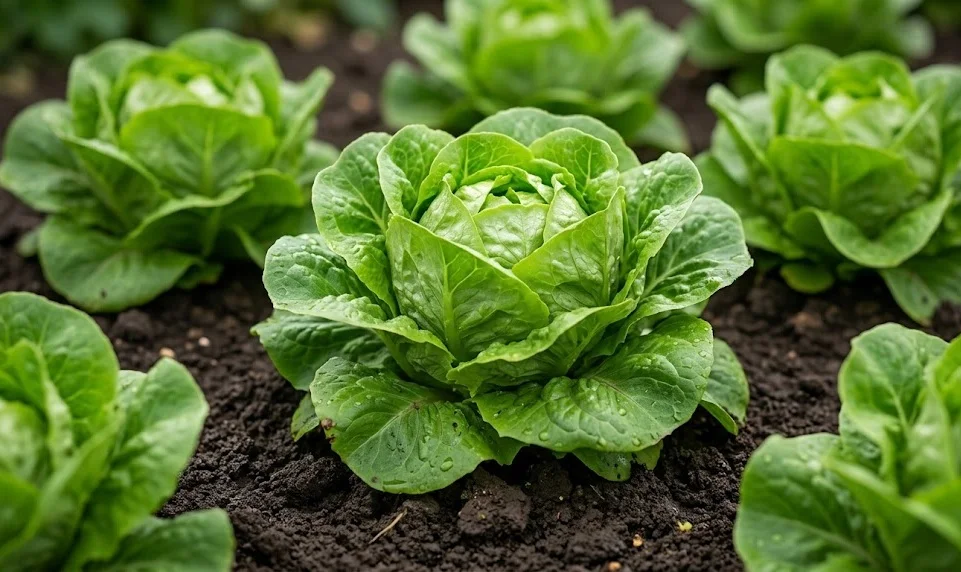

Selecting the perfect variety of lettuce is the first step toward a successful and abundant harvest in your backyard or allotment. You should consider the specific climate of your region and the time of year you plan to begin your planting process. Some varieties are bred specifically to handle the intense heat of summer, while others thrive in the crisp air of early spring. Reading the descriptions on seed packets carefully will help you find the traits that match your gardening goals.
You might want to experiment with a mix of loose-leaf, romaine, and butterhead types to provide a variety of textures and flavors for your kitchen. Loose-leaf varieties are often the easiest for beginners because they are very forgiving and can be harvested in small stages. Romaine offers a satisfying crunch and is excellent for hearty salads that require a bit more structure from the greens. Butterhead types provide a soft, velvety texture that feels luxurious and pairs beautifully with light, citrusy dressings.
Heritage or heirloom seeds are a wonderful choice if you are interested in preserving genetic diversity and enjoying unique, old-fashioned flavors. These seeds have been passed down through generations and are often well-adapted to specific local conditions or traditional growing methods. You can also save your own seeds from the best-performing plants at the end of the season to use in the following year. This practice creates a deep connection between the gardener and the natural life cycle of the food they produce.
Germination rates can vary significantly between different seed brands and even between different batches of the same variety of lettuce. You should always check the expiration date on the packet to ensure you are starting with fresh, viable seeds for your garden. If you have older seeds, you can perform a simple sprout test on a damp paper towel to see if they are still worth planting. Starting with high-quality seeds is the best way to avoid disappointment and ensure a lush, green garden bed.
Sowing techniques for success
Direct sowing into the garden bed is a popular method for many gardeners because it is simple and requires very little specialized equipment. You should prepare the soil by raking it until it is smooth and free of any large clumps or debris that might hinder growth. Create shallow furrows about half an inch deep and space them according to the recommendations for your specific lettuce variety. Dropping the seeds carefully into the rows and covering them lightly with fine soil is all it takes to get started.
More articles on this topic
Maintaining the right moisture levels is absolutely critical during the germination phase, which usually lasts between seven and ten days for lettuce. You should use a fine mist setting on your hose or a watering can with a gentle rose to avoid washing away the tiny seeds. The soil surface should stay consistently damp to the touch, as even a brief period of drying out can kill the emerging sprouts. If you live in a particularly dry area, covering the rows with a light burlap cloth can help retain moisture.
Succession planting is a clever strategy that involves sowing small batches of seeds every two weeks throughout the growing season. This technique ensures that you always have a fresh supply of young lettuce ready for harvest, rather than having everything mature at once. It prevents the problem of a sudden “lettuce glut” where you have more greens than you can possibly consume before they bolt. By staggering your planting dates, you can enjoy homegrown salads from early spring all the way into late autumn.
For those with limited space or poor soil, sowing lettuce seeds into containers or raised beds is an excellent and highly effective alternative. You can use a high-quality potting mix that is rich in nutrients and provides the perfect drainage for the shallow roots of the plants. Containers allow you to move your lettuce into the shade when the weather gets too hot or into the sun during cooler periods. This flexibility makes it much easier to manage the environment and ensure your crop stays healthy and productive.
Seedling development and care
Once the first tiny green leaves emerge from the soil, your focus should shift to providing the best possible care for the developing seedlings. Thinning is an essential but sometimes difficult task where you remove the weakest plants to give the others more room to grow. You should aim for a spacing that allows air to circulate freely between the heads, which helps prevent disease and encourages robust development. Snipping the unwanted seedlings with scissors is better than pulling them, as it protects the roots of the remaining plants.
More articles on this topic
Light is the primary fuel for young lettuce plants, and they need plenty of it to grow strong and avoid becoming leggy or weak. If you are starting your seeds indoors, you may need to provide supplemental grow lights to mimic the intensity of the natural sun. Outdoors, make sure your lettuce patch isn’t being overshadowed by weeds or larger plants that might block the essential rays of the morning sun. Strong, sturdy seedlings are much more likely to survive the transition to maturity and produce a high-quality harvest.
Temperature management remains important as the seedlings grow, as they are still quite sensitive to extreme fluctuations in the local environment. You should protect young plants from heavy rains or hail that could physically damage their tender leaves and stems during a storm. Using a light cloche or a temporary plastic tunnel can provide a buffer against harsh weather while still allowing light and air to reach the crop. Keeping the environment stable allows the plants to put all their energy into producing healthy foliage for your table.
As the seedlings develop their true leaves, you can begin to introduce a very diluted liquid fertilizer to support their rapid growth and health. Choose a balanced, nitrogen-rich organic fertilizer that promotes leaf development rather than flower or root growth at this stage. Be careful not to over-fertilize, as this can lead to an accumulation of salts in the soil or attract pests like aphids to the tender new growth. A gentle touch with nutrients is always better than an aggressive approach when it comes to leafy greens.
Effective transplanting methods
If you prefer to start your lettuce seeds in trays, you will eventually need to move the young plants into their permanent spots in the garden. This process, known as transplanting, can be stressful for the plants if it is not done with care and attention to detail. You should wait until the seedlings have at least two or three true leaves and a sturdy root system before attempting the move. Hardening them off by gradually exposing them to outdoor conditions over several days will significantly increase their survival rate.
Choosing a cloudy day or working in the late afternoon is the best way to minimize transplant shock for your young lettuce plants. The absence of direct, intense sunlight gives the roots time to settle into their new environment without the added stress of rapid evaporation. You should dig a hole that is slightly larger than the root ball and place the seedling at the same depth it was growing in the tray. Pressing the soil gently around the base ensures good contact between the roots and the surrounding earth for moisture uptake.
Immediately after transplanting, you must give the plants a generous drink of water to help them settle and recover from the move. Adding a bit of seaweed extract to the water can help stimulate root growth and reduce the impact of the transition on the plant’s health. You should monitor the transplants closely for the first week, making sure they stay well-hydrated and protected from any hungry garden pests. Once they show signs of new growth, you will know that they have successfully established themselves in their new home.
Using biodegradable pots made of peat or paper is a great way to make transplanting even easier and less disruptive for the sensitive roots. You can plant the entire pot directly into the ground, where it will eventually break down and allow the roots to grow through into the soil. This method eliminates the need to handle the root system at all, which is a major advantage for delicate crops like lettuce. It is a simple professional secret that can lead to much higher success rates for home gardeners everywhere.

