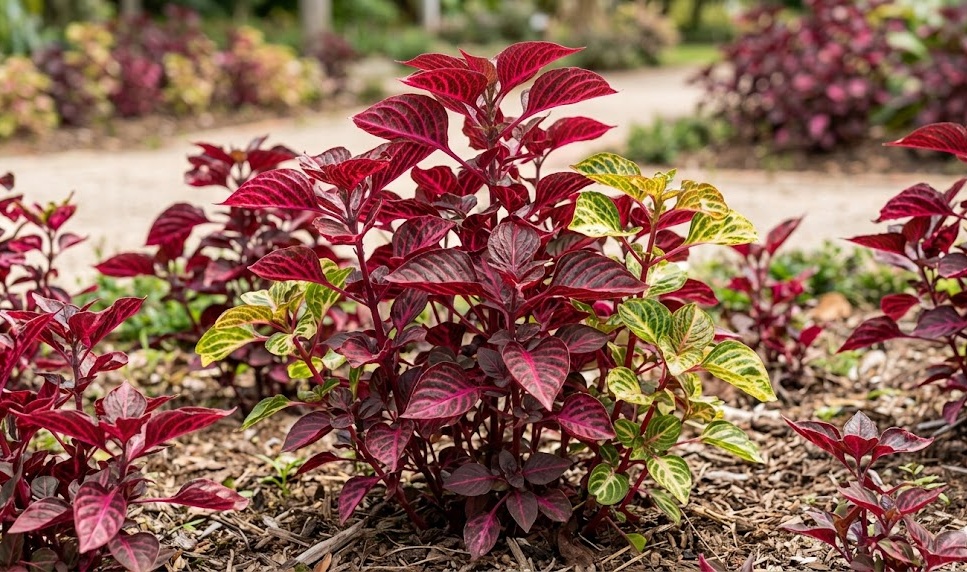

Starting a new journey with this colorful tropical plant begins with a solid understanding of its initial needs. Whether you are planting a nursery-bought specimen or starting from scratch, the first few weeks are critical. You must ensure that the transition into its new home is handled with care and precision. Proper planting techniques lay the groundwork for a plant that will thrive for many years to come.
Choosing the right time of year for planting is the first step toward guaranteed success. Late spring or early summer is generally considered the best window for establishing new plants. During this period, the warmer soil and increasing daylight hours encourage rapid root development. If you plant too early in the year, the cold soil might cause the roots to rot.
Preparation of the planting site or the container is a task that should never be rushed. You need to ensure that the environment is clean and free of any potential pathogens from previous inhabitants. Using sterilized tools and fresh potting media prevents many common issues from the very beginning. A well-prepared start reduces the stress on the plant during the critical establishment phase.
Acclimatization is a process that many gardeners overlook when bringing a new plant home. You should avoid placing a new acquisition in direct, harsh sunlight immediately after purchase. Instead, give it a few days in a shaded, protected spot to adjust to your home’s unique atmosphere. This gradual introduction helps the plant stabilize its internal moisture levels before facing tougher conditions.
Choosing the right spot
The location you choose will dictate the intensity of the leaf color and the overall growth rate. You should look for a spot that receives plenty of bright, filtered light throughout the day. Direct midday sun can be too intense and may lead to leaf burn in certain climates. An east-facing window or a spot under a dappled tree canopy is often ideal.
More articles on this topic
Air circulation is another environmental factor that contributes to the health of a newly planted bloodleaf. You want a place where the air moves freely but is not subject to harsh, drying winds. Stagnant air can lead to the buildup of moisture on the leaves, which encourages fungal growth. Balance is necessary to keep the plant refreshed without causing it to lose too much water.
Stability in the environment is more important than achieving the “perfect” theoretical conditions. Moving the plant constantly from one spot to another creates unnecessary stress and slows down growth. Find a location that meets the basic requirements and let the plant settle in for a while. You can make minor adjustments later if you notice the plant leaning or fading.
Proximity to other plants can be beneficial for maintaining a humid microclimate. However, you should ensure there is enough space between them to prevent the spread of pests. Crowding can also lead to competition for light, causing the lower leaves to drop off. Giving each plant its own “personal space” allows for better light penetration and air movement.
Potting and soil preparation
Selecting the correct container is just as important as the soil that goes inside it. You should prioritize pots that have at least one large drainage hole at the bottom. Terracotta pots are excellent for those who tend to overwater, as they allow the soil to breathe. Plastic or glazed ceramic pots are better for keeping the soil moist for longer periods.
More articles on this topic
The soil mix should be light, airy, and rich in organic matter to mimic a tropical forest floor. You can create a professional-grade mix by combining two parts potting soil with one part perlite. Adding a handful of compost or worm castings provides a slow-release source of essential nutrients. Avoid using garden soil in containers, as it is often too heavy and may contain pests.
When you are ready to plant, handle the root ball with extreme gentleness to avoid damage. You should place a small amount of soil at the bottom of the pot to set the height. Ensure that the plant sits at the same level in the new pot as it did in the old one. Burying the stem too deep can lead to rot, while leaving roots exposed will cause them to dry out.
After the plant is situated, fill in the gaps with soil and press down very lightly with your fingers. You want to remove large air pockets without compacting the medium so much that water cannot flow. Give the plant a thorough watering immediately to help settle the soil around the roots. This initial drink also signals to the plant that it is time to start exploring its new home.
Stem cutting propagation
The most reliable way to create new plants is through the process of taking stem cuttings. You should select a healthy, vigorous stem that is not currently showing any signs of flowering. A cutting of about four to six inches in length usually provides enough surface area for success. Make your cut just below a leaf node, as this is where the highest concentration of rooting hormones exists.
Remove the lower leaves from the cutting to prevent them from rotting when placed in water or soil. You only need two or three leaves at the top to provide energy for the rooting process. If the remaining leaves are very large, you can cut them in half to reduce moisture loss. This technique helps the cutting focus its energy on growing roots rather than maintaining foliage.
Water propagation is a popular method because it allows you to see the roots as they develop. Place the cutting in a clean glass of room-temperature water and keep it in a bright spot. You should change the water every few days to keep it fresh and oxygenated for the new roots. Once the roots are about an inch long, the cutting is ready to be moved into soil.
Soil propagation is often faster and results in a stronger root system from the beginning. You can dip the cut end into rooting hormone powder to speed up the process, though it is not strictly necessary. Insert the cutting into a moist, light rooting medium and cover it with a plastic bag to create a mini-greenhouse. Within two to three weeks, you should feel resistance when you tug gently on the stem.
Rooting and establishment
The period after roots have formed is a delicate time for the young plant. You should keep the humidity high as the plant transitions from a cutting to an independent organism. Avoid fertilizing at this stage, as the new roots are very sensitive to chemical burns. Focus on maintaining consistent moisture and providing plenty of bright, indirect light.
Moving a water-rooted cutting into soil requires a bit of extra care during the first week. The roots that grow in water are structurally different and need time to adjust to a solid medium. Keep the soil slightly wetter than usual for the first few days to help the transition. Gradually reduce the watering frequency as you see signs of new leaf growth appearing.
Pinching the top of the new plant once it has established several sets of leaves is a good idea. This encourages the young bloodleaf to start branching early, leading to a bushier mature plant. You might feel hesitant to cut your new creation, but it is better for the plant’s long-term structure. A single-stemmed plant often becomes top-heavy and unattractive over time.
Monitor the young plants closely for any signs of wilting or discoloration in the early weeks. Small pots can dry out very quickly, so you may need to check them more often than your mature specimens. If the plant looks healthy after a month, you can begin a regular, diluted fertilization schedule. Your patience during this phase will be rewarded with a robust and colorful addition to your collection.