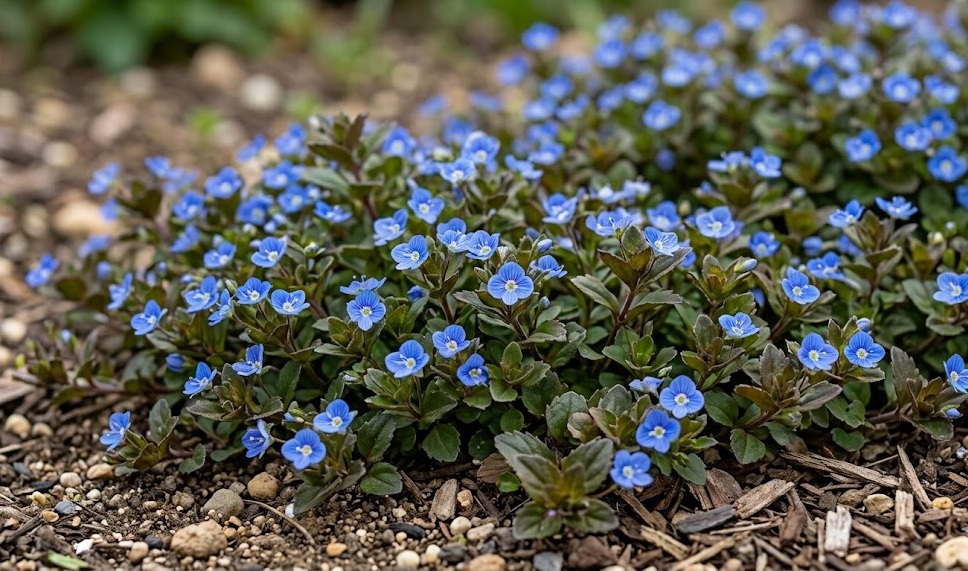

Successful establishment of a new groundcover begins with careful planning and an understanding of the site’s unique characteristics. Georgia blue speedwell is a versatile plant that can transform a bare patch of earth into a stunning floral carpet with the right start. Whether you are starting with nursery-grown liners or taking pieces from an existing patch, the process requires attention to detail. Proper technique during the initial stages ensures that the plants develop deep roots and spread quickly to cover the desired area.
Site selection and preparation
The first step in any planting project is identifying the best location for the new specimens to thrive. Georgia blue speedwell performs best in locations that receive ample sunlight but can also tolerate a bit of afternoon shade in hotter climates. It is important to avoid areas where water tends to collect after a heavy rain, as constant saturation is harmful. Choosing a spot with good natural drainage will save a significant amount of effort in the long run.
Once the location is chosen, the soil must be prepared to receive the new plants. Removing all existing weeds and grass is crucial to ensure that the young speedwell does not have to compete for nutrients. Digging over the soil to a depth of several inches breaks up any compaction and allows roots to penetrate easily. This is also the ideal time to incorporate organic matter or a balanced compost to enrich the planting area.
Leveling the ground ensures that the groundcover will create a uniform appearance as it spreads across the surface. Any large rocks or debris should be removed to provide a clean slate for the delicate stems to creep over. If the soil is particularly sandy or poor, adding a layer of high-quality topsoil can provide the necessary boost for early growth. A well-prepared bed is the foundation of a professional-looking landscape that lasts for years.
The timing of the planting is another factor that can influence the speed of establishment and overall success. Early spring or early autumn are generally considered the best times to plant because the temperatures are moderate. Planting during these windows allows the root system to become established before the extremes of summer heat or winter cold. Proper timing reduces transplant shock and gives the plants the best possible chance to flourish in their new home.
More articles on this topic
Planting techniques and spacing
When the plants are ready to go into the ground, the spacing between each specimen determines how quickly the area will be covered. Generally, placing the individual plants about twelve to eighteen inches apart is a standard practice for this variety. This distance allows each plant enough room to grow without immediately overcrowding its neighbors. Within a few seasons, these individual points will merge into a single, seamless carpet of green and blue.
The holes for the plants should be slightly larger than the root ball to allow for easy placement and root expansion. It is important to set the plant at the same depth it was growing in its original container to prevent crown rot. Gently firming the soil around the base of the plant removes air pockets that could dry out the roots. Once the plants are in place, a thorough watering helps to settle the soil and provides immediate hydration.
Using a starter fertilizer can provide the young plants with the essential phosphorus they need for strong root development. However, care should be taken not to over-apply, as excessive nitrogen can lead to soft, leggy growth that is more vulnerable to pests. A balanced, slow-release formula is usually the safest choice for new installations in a professional garden. Following the manufacturer’s instructions ensures that the plants receive exactly what they need without any risk of burn.
Mulching the spaces between the newly planted speedwell helps to keep the soil moist and prevents weed seeds from taking hold. As the plants grow and spread, they will eventually cover the mulch and create their own natural protection. Using a fine-textured mulch like shredded bark or compost works well with the delicate nature of this groundcover. This temporary measure is essential during the first year of growth when the plants are most vulnerable.
More articles on this topic
Propagation by division
Division is one of the easiest and most effective ways to expand a collection of Georgia blue speedwell without spending more money. This process involves taking a large, established clump and splitting it into several smaller pieces, each with its own roots. The best time to perform this task is in the early spring just as new growth begins to appear. Mature plants usually benefit from being divided every three to four years to maintain their vigor and prevent overcrowding.
To begin the process, use a sharp spade to lift the entire clump out of the ground, being careful to keep the root system intact. Once the plant is out, you can gently pull the roots apart or use a clean knife to cut the crown into sections. Each new division should have a healthy amount of foliage and a well-developed set of roots to ensure survival. Keeping the divisions moist and shaded during the process prevents them from drying out before they can be replanted.
Replanting the divisions follows the same procedure as planting new nursery stock in a prepared bed. It is helpful to water the parent plant thoroughly the day before the division to ensure that the tissues are fully hydrated. The newly divided plants may look a bit wilted for a few days as they adjust to their new locations. With consistent moisture and a bit of care, they will soon begin to produce new shoots and spread across the soil.
This method of propagation is not only practical but also ensures that the new plants are genetically identical to the original. This is important if you want to maintain a uniform look across a large area of the garden. Division is a fundamental skill for any gardener who wants to manage their landscape sustainably and efficiently. It allows for the constant renewal of the garden while providing plenty of material for new projects or sharing with neighbors.
Stem cuttings and seeds
While division is the most common method, Georgia blue speedwell can also be propagated through stem cuttings. This technique involves taking a three to four-inch piece of a healthy stem and encouraging it to grow its own roots. Cuttings are best taken in the late spring or early summer when the plant is in its most active growth phase. Removing the lower leaves and dipping the cut end in a rooting hormone can increase the success rate significantly.
The cuttings should be placed in a moist, well-draining potting mix and kept in a bright location out of direct sunlight. Using a clear plastic cover or a mini-greenhouse can help to maintain high humidity around the delicate stems. Within a few weeks, new roots should begin to form, and the plant can eventually be transitioned to the garden. This method is excellent for producing a large number of plants from a relatively small amount of parent material.
Growing speedwell from seeds is also possible, although it requires a bit more patience and attention to detail. The seeds are quite small and should be sown on the surface of the soil, as they often require light to germinate. Keeping the seedbed consistently moist but not soaking wet is the key to a high germination rate. Once the seedlings have developed several sets of true leaves, they can be carefully transplanted into individual pots or directly into the garden.
Experimenting with different propagation methods is a great way for a gardener to deepen their understanding of plant biology. Each method has its own advantages and can be used depending on the season and the number of plants needed. Whether through division, cuttings, or seeds, increasing your stock of this beautiful groundcover is a rewarding endeavor. A garden that is built from the gardener’s own efforts always feels more personal and accomplished.